Museum Island, Brandenburg Gate and Big Ideas
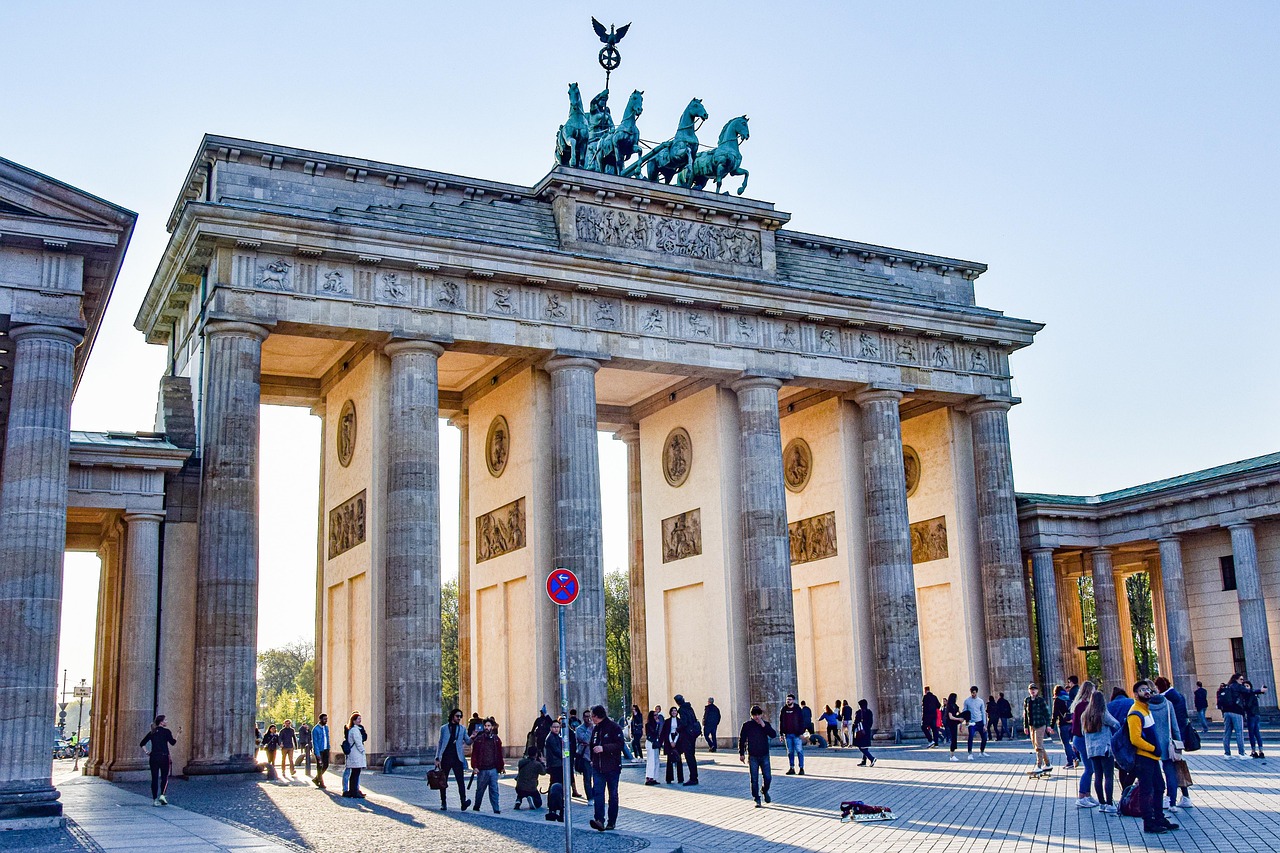
Berlin is the capital and largest city of Germany, known for its landmarks, museums, creative energy and a history that visitors can walk through street by street. It has more than three and a half million residents and is spread across a landscape of rivers, lakes and parkland. The Brandenburg Gate is the symbol of the city, and the glass dome of the Reichstag gives panoramic views over the government quarter. Museum Island, on the Spree, was inscribed as a UNESCO World Heritage Site in 1999 and holds some of Europe's most important collections.
History is vividly interpreted. The East Side Gallery, a long stretch of preserved wall covered in murals, and the Berlin Wall Memorial on Bernauer Strasse tell the story of the divided city and its reunification with clarity and care. Charlottenburg Palace shows the elegance of Prussian court life, while the Berlin Philharmonic and the Staatsoper sustain a musical tradition of the first rank. City-break travellers often pair Berlin with Brussels and wider Europe, and with Baltic neighbours such as Estonia.
Kreuzberg Kitchens and Lakeside Summers
Berlin's neighbourhoods are its true attraction. Kreuzberg and Neukolln pulse with cafes, street food and independent shops, Prenzlauer Berg offers leafy streets and weekend markets, and Mitte combines galleries with grand avenues. Currywurst and doner kebab are iconic street foods, and the city has also become a centre for creative restaurants, natural wine bars and craft coffee. The Berlinale film festival, held each February, and the late-summer Lange Nacht der Museen add to a calendar that runs all year.
Greenery balances the energy. Tiergarten is a vast central park, Tempelhofer Feld is a former airfield turned open space for kites and cyclists, and the lakes around Wannsee and Muggelsee offer sunny afternoons just beyond the city. The three Berlin Modernist Housing Estates were also given UNESCO status in 2008, a reminder of the city's design pedigree. A hotel group can use this variety to promote design-led stays aimed at culture seekers and long-weekend visitors.
Seasons, Christmas Markets and Easy Arrival
Spring and early autumn suit sightseeing and cycling, summer brings beer gardens, open-air cinemas and swimming in lakes, and December fills squares with Christmas markets, including those at Gendarmenmarkt and Charlottenburg Palace. Winter evenings are warmed by concerts, theatres and cosy cafes. The city's S-Bahn and U-Bahn network makes moving between districts easy, and many sights can be linked on foot or by bicycle.
Berlin Brandenburg Airport links the city to the UK and many European destinations, and high-speed trains connect it with Hamburg, Munich and Prague. A name like VisitBerlin.co.uk gives airlines and tourist boards one clear page to feature that whole story. Visitors can extend to Scotland or Ireland for contrasting landscapes, and to the Mediterranean for a warmer second stop.
Mitte Luxury to Kreuzberg Creative Lofts
Berlin's districts are almost cities of their own, so the choice of base matters. Mitte puts the Brandenburg Gate, Museum Island and the Unter den Linden avenue close at hand, with grand hotels for those who like landmarks at the door. Charlottenburg and the Kurfurstendamm area offer classic West Berlin elegance, department stores and the palace, a good fit for couples and culture seekers who prefer a quieter, more refined atmosphere in the evening.
Younger or design-minded guests head for Kreuzberg, Friedrichshain and Neukolln, where converted factories, canal-side lofts and boutique hotels sit beside street food and independent record shops. Prenzlauer Berg suits families, with leafy streets, playgrounds and weekend markets, and Potsdamer Platz is practical for conference visitors. For a calmer stay, lakeside hotels near Wannsee and the green southern suburbs deliver space, swimming spots and a short train ride into the centre. Apartment hotels are popular with longer stays and with groups.
Markthalle Lunches, Jazz Nights and Festival of Lights
Beyond currywurst, Berlin's food scene is a map of the world. Turkish bakeries and doner stalls in Kreuzberg, Vietnamese kitchens in Lichtenberg and Israeli, Georgian and Korean spots across the city have made eating out a sport. Markthalle Neun hosts weekly street food evenings, and German classics such as schnitzel, roast pork knuckle and Berliner pancakes, filled with jam, appear in traditional taverns. Coffee and cake in an old cafe, a ritual known as Kaffee und Kuchen, is a gentle way to spend a cold afternoon.
The cultural year is crowded. The Karneval der Kulturen parades through Kreuzberg at Pentecost, and the Festival of Lights in October transforms the skyline with projections on landmarks. Jazzfest Berlin in autumn, the Classical Open Air concerts on Gendarmenmarkt in summer and an exceptional programme of opera and theatre bring music to every season. Museums stretch from the Pergamon and the Neues Museum, home of Nefertiti, to the Jewish Museum and the design-minded Bauhaus Archive. Flea markets at Mauerpark bring Sunday colour.
Palaces, Waterways and Day Trips by Train
Berlin invites exploring beyond the centre. Cycling is easy on flat, well-marked paths, including the Mauerweg, which follows the line of the former wall around the city, and boat trips on the Spree and the canals show another side of the capital. Rowing, kayaking and paddle boarding are popular in summer, and in cooler months guests enjoy spa days and saunas. Tempelhofer Feld and the Tiergarten make easy places for picnics, kites and runs.
Day trips are among the best in Germany. Potsdam, a half-hour away, offers Sanssouci Palace and its terraced gardens, and the Spreewald, a forested network of waterways south-east of the city, is best explored by punt, with a plate of local pickled gherkins. Dresden and Leipzig lie within about two hours by train, and Hamburg and Prague are easy longer trips. A booking platform can bundle city and country, and guests can build on this with Brussels, Estonia and the sunnier Mediterranean coast, perhaps via Spain or Italy.
Planning your stay
Berlin is the most populous city proper in the European Union, with 3.7 million inhabitants within its city limits, according to Wikipedia, an urban area of 4.5 million and a Berlin-Brandenburg capital region of around 6.2 million. That scale is why it supports a very large events, museum and nightlife calendar through the year.
The official tourism site, visitBerlin, organises its content around events, accommodation, tickets and tours, with guides for families, accessible travel and LGBTI visitors. For a comparison with other capitals, see Brussels and Estonia, or the wider Europe guide.
When to go and what is on
Berlin works as a city break all year, with spring, summer, autumn and winter each given their own guide by visitBerlin. Its current listings include the 63rd Jazzfest Berlin from 29 October to 1 November 2026, the second Berlin Freedom Week from 7 to 14 November 2026 and a Genghis Khan exhibition marking the 800th anniversary of his death.
Event dates can change, and large events affect hotel prices, so confirm details with the organisers and book accommodation early for peak weekends. visitBerlin also lists group tickets, tours, museum passes and a Berlin Welcome Card, which are worth comparing before you pay for single admissions, and it publishes a guide to accessible hotels and attractions for visitors who need step-free access.
Entry rules
Germany follows Schengen rules, and for Berlin that means checks at BER airport or at the first Schengen border you cross. The visa-free allowance is 90 days in any 180-day period, shared with every other Schengen country you visit.
The EU's Entry/Exit System is now being implemented across the Schengen area, so you may need to register fingerprints and a photo, at no cost, and should allow extra time on arrival and departure.
Before you travel
Entry requirements and official travel guidance are updated regularly, so check the latest position with your government before booking. The sources we used are listed at the foot of this page.
Why Berlin matters to the industry
Berlin is a large, events-led market where timing and accurate information drive decisions, and VisitBerlin.co.uk lets a tourist board, hotel group or airline publish clear, sourced guidance. An online travel agency can link its listings to the same page.
See our destination guides and the AI platform page for how this works across the network, or compare Berlin with Scotland and the Channel Islands for very different markets.
Questions travellers ask about Berlin
Do UK citizens need a visa for Berlin?
No. A Berlin break can last up to 90 days in any 180-day period without a visa, counted across the Schengen area. German officers expect a passport under 10 years old that is still valid three months after your planned departure.
What is Berlin best known for?
Berlin is best known for the Brandenburg Gate, Museum Island, the Reichstag dome, the East Side Gallery, a creative culture of art, music and cafes, and a vivid layered history that visitors can explore on foot.
When is the best time to visit Berlin?
Spring and early autumn are ideal for sightseeing and cycling, summer is the season of lakes and beer gardens, and December brings Christmas markets. The Berlinale film festival takes place each February.
Which part of Berlin is best to stay in?
Mitte suits first-time visitors wanting landmarks nearby, Charlottenburg offers classic elegance, and Kreuzberg or Friedrichshain suit design lovers and nightlife fans. Prenzlauer Berg is popular with families, while lakeside hotels offer a quieter, greener escape.
What are the best day trips from Berlin?
Potsdam with its palaces and gardens is the favourite, followed by the Spreewald waterways, Dresden and Leipzig by train, and the lakes around Wannsee. Each is easy to reach and fits comfortably into a day.
In the Visit Travel Group portfolio: VisitBerlin.co.uk.