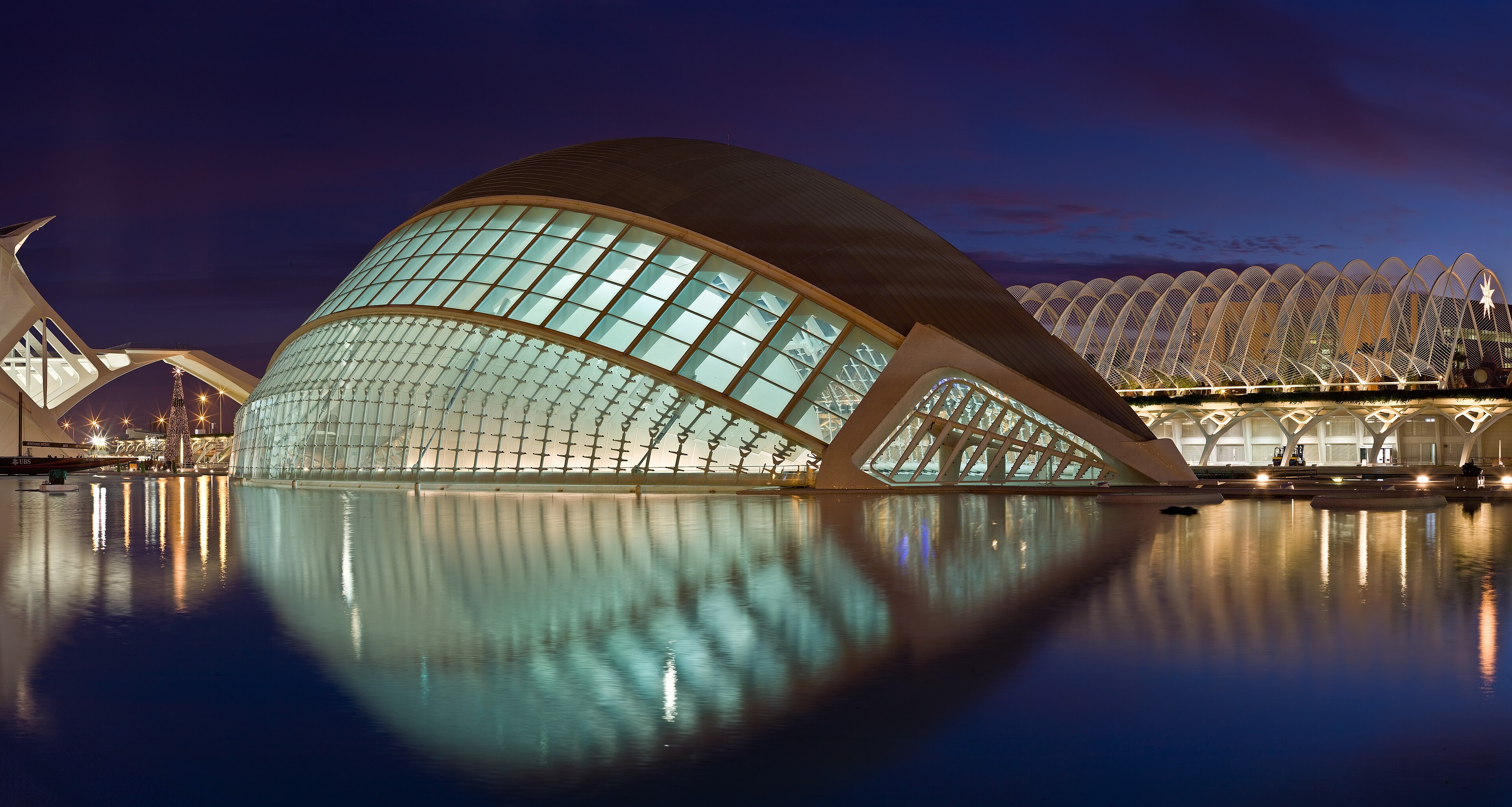
A Sunlit Country of Cities, Coasts and Tables
Spain is a country in south-western Europe, occupying most of the Iberian Peninsula and also including the Balearic and Canary Islands, known for its sunshine, its architecture, its food and its long, varied coastline. It has a population of about 48 million and a capital in Madrid, and its regions each carry a distinct identity, from Catalonia and the Basque Country to Andalusia and Galicia. The Mediterranean, the Atlantic and the Pyrenees shape its landscapes, and its cultures reflect Roman, Moorish and Christian layers of history.
That layering is what makes travel here so rewarding. The Alhambra in Granada, the Sagrada Família in Barcelona, the Prado in Madrid and the Camino de Santiago to Galicia are among the most visited and admired places in Europe, and the country is exceptionally rich in UNESCO World Heritage Sites. Pair that with the late dinners, tapas bars and lively plazas of daily life, and Spain offers a destination that feels both grand and wonderfully easy. In the south, Andalusia is the heartland of flamenco, whitewashed villages and Moorish palaces.
Tapas, Beaches and Fiestas from North to South
Food is a national passion. Jamón ibérico, paella from Valencia, pintxos in San Sebastián, fresh seafood in Galicia and olive oil from Jaén are only the start, and the Spanish habit of sharing small plates makes dining a social event. The coastline adds its own appeal, from the Costa del Sol around Málaga to the beaches of Catalonia, the coves of Mallorca and the volcanic landscapes of the Canary Islands, with a seaside for nearly every taste.
Festivals punctuate the calendar. Semana Santa in spring fills the streets of Seville and Málaga with processions, Las Fallas lights up Valencia in March, and the Feria de Abril brings flamenco costume, horses and music to Seville. San Fermín in Pamplona, La Tomatina in Buñol and the Madrid summer cultural programme draw visitors from around the world. A tourist board has a wonderful range of stories to tell here, and Spain's regional diversity makes it ideal for themed itineraries across the year.
When to Go and How to Travel Around
Spring and autumn are particularly pleasant for cities and cultural travel, with warm days and softer light, while summer suits the beach resorts and islands, and winter brings mild sunshine to the south and the Canary Islands. Regional cuisine, wine routes and hiking in the Pyrenees or Picos de Europa add further reasons to travel in every season. The pace is unhurried, and meals and evenings tend to start later than many UK visitors expect.
Spain is superbly connected. The AVE high-speed rail network links Madrid with Barcelona, Seville, Málaga and many other cities, and flights from the UK reach destinations across the mainland and islands, usually in two to three hours. VisitSpain.co.uk gives airlines and hotel groups a single home for these routes. Travellers extending a trip can easily combine Spain with the Algarve in neighbouring Portugal, or fly on to the Balearic Islands for a beach finish.
Paradores, Fincas and Beach Resorts: Where to Stay
Spain offers a stay for every kind of traveller. Madrid and Barcelona suit culture seekers, with palace hotels, rooftop terraces and design-led boutique addresses close to galleries and tapas bars. San Sebastián and the Basque coast appeal to food lovers, and Seville and Granada draw those who want Moorish courtyards and flamenco evenings. The Costa del Sol and the Costa Blanca are the classic beach choices, with family resorts, golf hotels and seafront apartments, while Mallorca and Ibiza bring island villas and boutique fincas. The Canary Islands offer warm winter sunshine and family-friendly resorts.
Styles of stay are distinctive. The Paradores, a state-run chain of hotels in castles, convents and palaces, give guests a night inside history, while rural fincas and casas rurales offer farmhouse comfort among olive groves and vineyards. Villas suit groups and families who want a private pool, and city apartments suit independent travellers. Golfers, divers and walkers have specialist hotels. A booking platform can present this variety clearly, and Mallorca and Costa Adeje show how islands and coasts extend the range.
Tortilla, Turrón and a Year of Fiestas
Beyond jamón and paella, everyday Spanish food rewards curiosity. Tortilla española, the thick potato omelette, croquetas with creamy fillings, pimientos de Padrón, patatas bravas and gazpacho make up a classic tapas table, while cocido in Madrid and fabada in Asturias warm the northern winter. Churros with thick hot chocolate are a morning treat, and turrón, the almond nougat of Alicante and Jijona, is the sweet of the Christmas season. Wine regions such as Rioja, Ribera del Duero and Jerez, together with cava from Catalonia, are part of Spain's culinary heritage.
Culture and festivals mark the whole year. Gaudí's Barcelona, the Guggenheim in Bilbao, the Reina Sofía with Picasso's Guernica and the painted caves of the north show the range of the arts, while Sevillian courtyards and Granada's Alhambra stand for the south. January begins with the Three Kings parade on the fifth, February has carnival in Cádiz and Tenerife, September brings the San Sebastián Film Festival and Barcelona's La Mercè, and December sees Christmas markets and lights in every plaza. Each season has a signature event, which helps visitors plan around what they love.
Mountains, Waves and Day Trips From Every City
Spain is made for active holidays. The Sierra Nevada offers skiing within easy reach of the Mediterranean, the Picos de Europa and the Pyrenees give walkers wild peaks, and the Camino de Santiago has several routes through the north. Tarifa and Fuerteventura attract surfers and kitesurfers, Mallorca is a cycling favourite, and the Canary Islands and Costa Brava offer diving and snorkelling. Golf courses line the southern coasts, and whale and dolphin watching in the Strait and around Tenerife provide wildlife encounters for families. Wine routes in Rioja and Jerez add an easy cultural thread.
Day trips multiply the choice. From Madrid, Toledo, Segovia and Ávila are all UNESCO-listed cities within easy reach by train, and from Barcelona, Montserrat and Girona make rewarding excursions. Seville links to Córdoba and Granada by rail, and island hops from the mainland reach Ibiza and the Balearic Islands in under an hour by air. Neighbouring Algarve and Andalusia connect naturally, and a stay in Spain can easily be extended across the Mediterranean.
The Entry/Exit System and what to expect at the border
The EU's Entry/Exit System is being introduced across the Schengen area. For short stays you may need to register biometric details, such as fingerprints and a photo, at a booth on your first visit, at no cost. Your digital record is valid for three years, and children aged 11 or younger are not fingerprinted but can be photographed.
Because of the change, many UK travellers have also started allowing longer connections and arriving earlier at airports. If you cross by the Port of Dover, Eurotunnel or Eurostar, the checks take place before you leave the UK.
Choosing a region
The south has Andalusia, with the beaches and golf of the Costa del Sol around Málaga and Marbella, and historic cities such as Córdoba. The west of Andalusia reaches Huelva and the quiet beaches of Isla Canela close to the Portuguese border.
Spain is much bigger than its resort coasts, and the east, the islands and the north are covered in their own guides. Flights from the UK take two to three hours to most of the mainland and about four and a half hours to the Canary Islands, so short breaks are practical all year.
Before you travel
Entry requirements and official travel guidance are updated regularly, so check the latest position with your government before booking. The sources we used are listed at the foot of this page.
Why Spain matters to the industry
Spain is the largest outbound market for UK leisure travel in Europe, with intense competition between regions, airlines and hotel groups. VisitSpain.co.uk lets a tourist board, hotel group or airline publish current, accurate guidance on exactly the questions this page answers, such as passport validity, EES and local laws.
Browse our destination guides to compare the other markets, or read how our AI platform gets that content in front of assistants.
Questions travellers ask about Spain
Do UK citizens need a visa for Spain?
Not for short visits: you can stay up to 90 days within any 180. Spain wants a passport issued less than 10 years before you arrive and still valid three months beyond your departure from Schengen.
What is the EES and does it affect UK tourists?
The Entry/Exit System registers biometric details, such as fingerprints and a photo, when non-EU visitors enter the Schengen area for short stays. It is free, may add time at the border and replaces manual passport stamping.
What is Spain best known for?
Spain is best known for its sunshine, its beaches, landmarks such as the Alhambra and the Sagrada Família, and a food culture that includes jamón ibérico, paella and tapas. Flamenco, football and lively festivals add to its distinctive character.
How long is the flight from the UK to Spain?
Flights from the UK to most Spanish destinations take around two to three hours, with direct services to mainland cities, the Balearic Islands and, in about four hours, the Canary Islands. This makes Spain easy to enjoy even on a long weekend.
What food should I try in Spain?
Try tortilla española, croquetas, jamón ibérico, gazpacho, paella, pimientos de Padrón and churros with chocolate. Each region adds its own specialities, from pintxos in the Basque Country to seafood in Galicia and turrón at Christmas.
What are the best day trips in Spain?
From Madrid try Toledo, Segovia and Ávila, from Barcelona Montserrat and Girona, and from Seville Córdoba or Granada by rail. All are rich in heritage, easy to reach and well suited to a single day.
In the Visit Travel Group portfolio: VisitSpain.co.uk, VisitSpain.uk, SpainDirect.co.uk.