A Country Where Every Region Tells a Story
Italy is a Mediterranean republic in southern Europe, a boot-shaped peninsula with Sicily and Sardinia, known for ancient Rome, Renaissance art, mountain and lake scenery and a regional cuisine admired across the world. It is divided into twenty regions, each with its own dialects, dishes and traditions, and it holds more UNESCO World Heritage Sites than almost any other country. Rome, the capital, still carries the weight of two thousand years of history in its forums, basilicas and fountains.
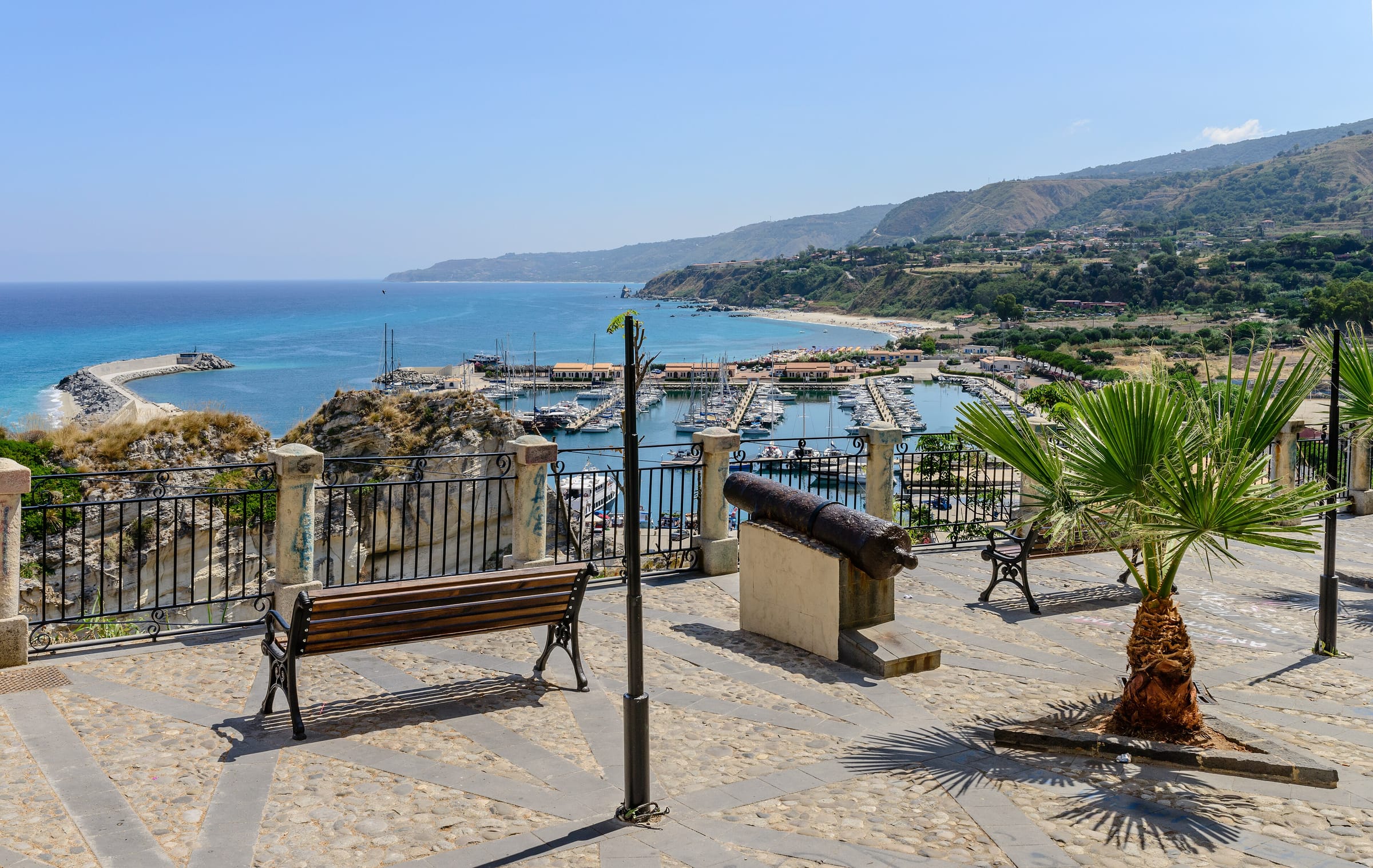
North to south, the variety is remarkable. Lake Como and the Dolomites give alpine drama, Venice floats on its lagoon, and Tuscany offers cypress-lined hills, Florence's galleries and Siena's Piazza del Campo. Further south, the Amalfi Coast drops lemon terraces into the sea and Sicily adds Greek temples, Baroque towns and a cuisine of its own. Few countries offer so many separate holidays within a single week of travel.
Cuisine, Craft and the Pleasures of the Table
Food is Italy's most reliable language. Pizza from Naples, handmade pasta in Emilia-Romagna, risotto in Lombardy, truffles in Piedmont and seafood on the Adriatic and Tyrrhenian coasts each carry strong local pride. Markets, trattorias and family-run agriturismi turn meals into events, and the country's wine regions, from Chianti to Barolo, add depth for those who like to travel by taste. Gelato, espresso at the counter and the evening passeggiata complete the rhythm.
Craft and design remain close to daily life, from Venetian glass and Florentine leather to Milan's fashion and furniture weeks. Opera at La Scala, the Venice Biennale and the Palio of Siena show culture as living tradition. For a booking platform, Italy is a gift: themed itineraries around food, art, lakes, coast and cities can be built and sold in endless combinations, with rail and domestic flights connecting them all.
Seasons, Connections and Choosing a Route
Spring and autumn are favoured for city sightseeing and for walking in the hills, with warm light and gentler crowds. Summer suits the lakes, islands and coasts, while winter brings skiing in the Dolomites and the Aosta Valley, Christmas markets in northern towns and quiet, atmospheric visits to Rome and Florence. Festivals fill the calendar, from Carnevale in Venice to the Easter processions in the south.
Direct flights from the UK reach Rome, Milan, Venice, Naples, Pisa, Bologna, Catania and many more, and high-speed trains link the major cities. A first trip often combines Rome, Florence and Venice, while returning guests explore Puglia, Sardinia and the lakes. A name like VisitItalia.co.uk gives hotels, boards and airlines one coherent home for a country with a story in every region.
Palazzi, Agriturismi and Lakeside Grand Hotels
Italy offers a style of stay for every taste. In the great cities, restored palazzi and boutique hotels place guests inside Renaissance and Baroque streets, from Rome's historic centre to Florence's Oltrarno and Venice's quiet canals. Milan suits fashion and design lovers, while Turin offers elegant cafes and royal residences. The northern lakes, including Lake Garda and Lake Como, are known for belle epoque grand hotels with terraces over the water, ideal for couples and special celebrations.
In the countryside, agriturismi, working farms that offer rooms and home cooking, give families and food lovers a slower pace, and masserie in Puglia and castles in Piedmont add character. Coastal resorts line the Amalfi Coast, the Ligurian Riviera near Cinque Terre and the Sardinian shores, while mountain chalets in the Dolomites suit skiers and walkers. A hotel group can show how one country holds historic, rural, coastal and alpine stays that rarely repeat themselves.
Carnevale, Opera and the Calendar of Feasts
Italian culture is celebrated at the table and on the street. Each region has a signature: ragu in Bologna, pesto in Genoa, osso buco in Milan, cacio e pepe in Rome, arancini in Sicily and orecchiette in Puglia. Coffee, taken as a quick espresso or a morning cappuccino, anchors every day, and the aperitivo hour turns the early evening into a social ritual. Cheese makers, olive oil mills and truffle hunters invite visitors to taste at the source, and local markets offer an easy start.
The year is full of festivals. Carnevale in Venice and Viareggio brightens February, Easter brings processions in Sicily and Umbria, and summer's opera season fills the Verona Arena. September offers harvest festivals and the Venice Film Festival, and Christmas markets open in Trentino and Bolzano. Craft traditions include Murano glass, Florentine leather, Cremona violins and Deruta ceramics, and a city such as Verona combines opera, romance and Roman heritage in a single evening.
Cycling Routes, Coastal Sailing and Island Add-Ons
Italy suits themed and active holidays. Cyclists enjoy Tuscany's white roads, the Dolomites' mountain passes and the flat paths around Lake Garda, while walkers follow the Via Francigena, Cinque Terre's coastal trails and the Alta Via routes. Sailing is a joy around the Aeolian Islands, Sardinia and the Amalfi Coast, and golfers find courses at Lake Como, Tuscany and Sardinia. Cooking classes, truffle hunts and wine heritage trails give gastronomic holidays a distinctive texture.
Day trips are endless, with Pompeii from Naples, Pisa and Siena from Florence, Tivoli from Rome and the islands of the Venice lagoon. Winter skiing at Cortina d'Ampezzo, spas in Montecatini and the thermal baths of Sirmione extend the season. Many visitors combine two regions, perhaps Rome and the south, or the lakes and Venice, and extend to Liguria or Sardinia for a seaside finish, using high-speed trains for easy transfers.
Passport and entry rules
Italy follows Schengen rules. Visa-free time in Italy comes out of a shared allowance of 90 days in any 180, counted across every Schengen country, and an overstay can mean a ban of up to three years.
The EU's Entry/Exit System means fingerprints and a photo may be taken at your first entry, which can add time at the airport. You cannot take meat, milk or products containing them into EU countries, with limited exceptions such as baby milk.
Which Italy
Rome and Lazio offer ancient sites and a big-city break. The south around Naples and Campania has the Amalfi Coast, Pompeii and the islands, while Tuscany has hill towns, wine and Florence. The lakes and Milan in the north suit summer and city stays, and Sicily and Sardinia suit longer beach trips.
Direct flights from the UK take about two to three hours to the mainland, from roughly two hours to Milan to about three hours to Naples, and about three and a half to four hours to Sicily.
Before you travel
Entry requirements and official travel guidance are updated regularly, so check the latest position with your government before booking. The sources we used are listed at the foot of this page.
Why Italy matters to the industry
Italy is one of the most competitive destinations in the world, and travellers choose a region before they choose a hotel. VisitItalia.co.uk lets a tourist board, hotel group or airline publish the practical answers this page gives, from passport rules to tourist tax, and our AI platform carries them to assistants.
Browse the other destination guides for comparison, or read our OTA page on how booking platforms use that content.
Questions travellers ask about Italy
Do UK citizens need a visa for Italy?
No, for stays up to 90 days in any 180-day period across the Schengen area. Check the issue date as well as the expiry date, because Italian border officers expect a passport issued under 10 years before arrival and valid for three months beyond departure.
What is the Italian tourist tax?
Many major cities charge a small tourist tax, which you usually pay at your hotel, often in cash. The rate varies by city and by hotel star rating. Ask for a receipt.
What is Italy best known for?
Italy is best known for Rome, Venice and Florence, Renaissance art, a regional food culture that includes pizza, pasta and gelato, and landscapes from the Dolomites and Lake Como to Tuscany, the Amalfi Coast and Sicily.
When is the best time to visit Italy?
April to June and September to October are ideal for cities and walking, with warm light and pleasant temperatures. Summer suits the coasts and lakes, and winter suits skiing in the Alps and quiet city breaks.
Where should couples stay in Italy?
Couples love the lakeside grand hotels of Lake Como and Lake Garda, the Amalfi Coast's cliff-top villas, Tuscan farmhouses and quiet palazzi in Venice and Florence. Each offers romantic views, excellent dining and a slower pace.
What is the best way to see Italy beyond the cities?
Consider a stay at an agriturismo in Tuscany or Puglia, a cycling or walking week in the Dolomites or Cinque Terre, or a sailing trip around Sardinia or the Aeolian Islands. High-speed trains make regional combinations simple.
In the Visit Travel Group portfolio: VisitItalia.co.uk.