Castles, Glens and Edinburgh's Skyline
Scotland is the northern country of the United Kingdom, known for its dramatic Highland scenery, historic cities, whisky, music and hundreds of islands. Edinburgh, the capital, rises around a volcanic crag topped by Edinburgh Castle, and its Old and New Towns were inscribed as a UNESCO World Heritage Site in 1995. The Royal Mile runs down to the Palace of Holyroodhouse, while Georgian terraces and gardens on the other side of Princes Street Gardens show the elegant planning of the New Town.
Glasgow adds a different note, with Victorian architecture, the Kelvingrove Art Gallery, a thriving music scene and the legacy of Charles Rennie Mackintosh. Beyond the cities, the Highlands unfold in a series of glens and lochs: Glencoe, Loch Lomond, Loch Ness and the Cairngorms are among the best known. Visitors often compare Scotland's wild beauty with that of Ireland, and the two make a natural pairing alongside the softer coasts of the Channel Islands and the capitals of Europe.
Skye, Orkney and the Water of Life
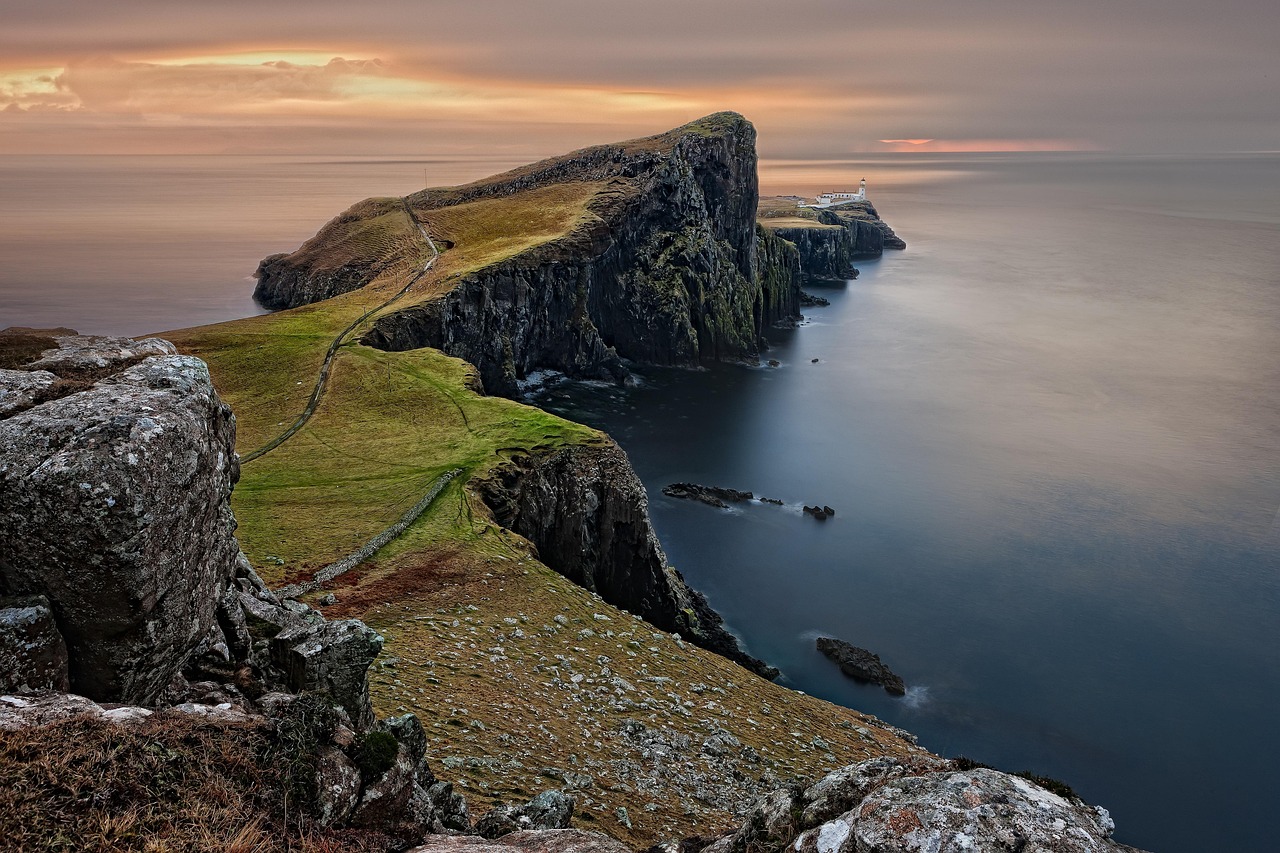
Islands are central to Scotland's appeal. Skye is famous for the Cuillin mountains, the rock pinnacles of the Old Man of Storr and the Fairy Pools, while the Outer Hebrides offer white-sand beaches and Gaelic culture. Orkney is home to the Heart of Neolithic Orkney, a UNESCO site since 1999 that includes Skara Brae, Maeshowe and the Ring of Brodgar. The North Coast 500, a circular road route launched in 2015, has become one of Britain's most popular scenic drives.
Food and whisky complete the picture. Scotch whisky, the national spirit, is made across regions from Speyside and Islay to the Highlands, and distillery tours give a taste of the craft. On the plate, expect Aberdeen Angus beef, smoked salmon, langoustines, Cullen skink, haggis with neeps and tatties and the dessert cranachan. A tourist board can pair these tastes with castles and trails to create themed itineraries for foodies, walkers and history lovers.
Festival Summers, Golf and Getting There
August brings the Edinburgh Festival Fringe, the world's largest arts festival, together with the International Festival and the Military Tattoo, and the city's Hogmanay celebrations on 31 December are among the best known in the world. St Andrews is the home of golf, and links courses along the coasts draw players from across the globe. Spring and early summer bring long daylight and flowering moors, and autumn paints the glens in russet and gold.
Scotland is easily reached from London and across the UK by plane, train and the Caledonian Sleeper, and ferries serve the islands from Oban, Ullapool and Mallaig. The Forth Bridge, a UNESCO site since 2015, is a landmark on the East Coast rail route. A name like YourScotland.co.uk lets airlines and hotels present one clear showcase for all of it, and travellers weighing other northern capitals can look to Berlin or Estonia for a contrasting city experience.
Highland Lodges, Castle Hotels and City Townhouses
Scotland's range of stays suits every kind of traveller. In Edinburgh, hotels in the Old Town sit beside the Royal Mile and the castle, while Georgian townhouses in the New Town give a more refined, residential feel. Glasgow's West End offers boutique hotels beside the university and the Kelvingrove, and St Andrews has golfing hotels with sea views. Gleneagles and Turnberry are the classic resort names for golf, spa and country sports, with grand surroundings for couples and groups.
In the Highlands, sporting lodges and castle hotels around Loch Lomond, Inverness and Fort William bring log fires and mountain views. Aviemore and the Cairngorms are favourites for walkers, skiers and wildlife watchers, and Portree on Skye is the base for the Cuillin and Trotternish. On Orkney and the Outer Hebrides, farm stays and small inns welcome guests with a quieter pace, and the Isle of Arran, reached by a short ferry, is known as Scotland in miniature, ideal for families.
Shortbread, Smokies, Tweed and Highland Gatherings
Scotland's table is bigger than its famous dishes. Arbroath smokies, haddock smoked in pairs, are a coastal treat, and Scotch broth, venison and Highland game appear on country menus. Shortbread, tablet and Dundee cake are the classic sweet treats, and a bright orange glass of Irn-Bru is a national favourite. Craft producers have revived oatcakes, farmhouse cheeses and Highland cattle beef, and a strong seafood tradition covers langoustines from the west coast and Shetland mussels.
The cultural year starts with Burns Night on 25 January, followed by Celtic Connections in Glasgow and the Up Helly Aa fire festival in Shetland. Summer brings Highland Games across the country, with caber tossing, pipe bands and dancing, and the Braemar Gathering in September is the best known. Harris Tweed from the Outer Hebrides, tartan from Lochcarron and knitwear from Shetland are craft traditions to take home. Museums include the National Museum of Scotland in Edinburgh and the striking V&A Dundee on the waterfront.
Steam Trains, Munros and Island Day Trips
Active and themed trips are Scotland's speciality. The West Highland Way runs from Milngavie to Fort William, and the country's Munros, mountains over 3,000 feet, attract keen hill walkers. The Jacobite steam train crosses the Glenfinnan Viaduct, familiar from the Harry Potter films, and Cairngorms ski areas open in winter. Wildlife watching includes red deer, ospreys, golden eagles and puffins, and boat trips from Mull seek out whales and white-tailed eagles. Golfers can play Carnoustie, Royal Troon and Muirfield as well as St Andrews.
Day trips are plentiful. From Edinburgh, Stirling Castle, Rosslyn Chapel and the Falkirk Wheel are easy outings, and from Glasgow, Loch Lomond and the Trossachs are close. Iona, off Mull, is a short ferry ride from Oban. A booking platform can bundle a city and Highland package, and visitors can add Ireland for a second Celtic stop, Yarm and North Yorkshire en route south, or Estonia and Berlin for a contrasting city on a northern European loop.
Planning your stay
Scotland is a country that is part of the United Kingdom, consisting of the northern part of Great Britain and adjacent islands, principally in the archipelagos of the Hebrides and the Northern Isles. VisitScotland, the national tourist organisation, groups its places into cities, towns, islands and regions.
Its cities include Aberdeen, Dundee, Dunfermline, Edinburgh, Glasgow, Inverness, Perth and Stirling, and its islands include Arran, Islay, Jura, Lewis and Harris, Mull, Orkney, the Outer Hebrides, Shetland and Skye. Popular landscapes include Ben Nevis, Glencoe, Loch Lomond and Loch Ness.
What to do
VisitScotland highlights Highland games, the Northern Lights, dark sky parks and stargazing and Scottish whisky as headline experiences, alongside castles, walking, cycling, golf, watersports and wildlife watching. It also lists Edinburgh's summer festivals and notes the Tour de France in Scotland in 2027, and Wikipedia says Edinburgh will host that year's Grand Départ.
Winter is promoted for the Northern Lights and stargazing, which means Scotland no longer sells only in summer. For a contrasting short break, compare with Ireland or Berlin.
The outdoor pages cover walking and hiking, cycling, mountain biking, golf, ski and snowsports and watersports, and the landscapes pages cover beaches, lochs and national parks. VisitScotland also publishes itineraries, tours, walking routes and trails, and a UNESCO trail, which suit visitors who want a structured route rather than a single base.
Its food and drink pages cover beer and breweries, gin tours and tastings and whisky, and its arts and culture pages cover castles, history and heritage, ancestry and free attractions. Together these give a wide range of reasons to visit outside the peak summer weeks.
Getting there from the UK and abroad
Travellers from elsewhere in the UK do not need a passport or visa to visit Scotland. Edinburgh is one of the airports named by VisitGuernsey as a UK departure point for Guernsey, which shows how Scotland connects to the Channel Islands by air.
We recommend checking the UK government's guidance for your nationality before you book, and carrying photo identification in case airlines or accommodation ask for it.
Seasons and planning
Scotland has long summer evenings and short winter days, and weather can change quickly, especially in the Highlands and islands. Plan outdoor days with a flexible schedule, check forecasts and carry appropriate clothing and navigation tools if you hike.
Island travel often depends on ferries and local transport, so book early for peak periods and check timetables close to departure. VisitScotland's planning pages cover accommodation, tours, travel and wellness, and are the best place to confirm current opening times.
Its accommodation pages list hotels, B&Bs and guesthouses, hostels, caravan and camping, glamping, wild camping and self catering cabins, lodges and cottages. That range matters for planning, because the right base for a city weekend is very different from the right base for a week on an island.
Events and the year ahead
VisitScotland lists Edinburgh's summer festivals, Highland games, Scottish music festivals and the Tour de France in Scotland in 2027 among its events pages. Large events affect accommodation availability and prices, so confirm dates with the organisers and book ahead.
We have not republished event dates here, because they change, and a tourist board's own calendar is the right source for them. If you are planning around a specific festival, check ticketing, accommodation and transport together, because each can sell out separately. Book flexible rates where you can, and keep copies of your confirmations on your phone and on paper.
Before you travel
Entry requirements and official travel guidance are updated regularly, so check the latest position with your government before booking. The sources we used are listed at the foot of this page.
Why Scotland matters to the industry
Scotland is a major domestic and international market where regions, islands and seasons all need clear explanation. YourScotland.co.uk lets a tourist board, hotel group or airline publish clear guidance, and an online travel agency can link its listings to it.
See our destination guides, the AI platform page and the wider Europe guide, or compare with the market town of Yarm for a very different scale.
Questions travellers ask about Scotland
Do I need a passport to visit Scotland from England?
No. Scotland is part of the United Kingdom, so there are no border checks for travel from elsewhere in the UK.
What are Scotland's main cities?
VisitScotland lists Aberdeen, Dundee, Dunfermline, Edinburgh, Glasgow, Inverness, Perth and Stirling among its cities.
Which islands can I visit?
VisitScotland lists Arran, Islay, Jura, Lewis and Harris, Mull, Orkney, the Outer Hebrides, Shetland and Skye, among others.
Is Scotland only a summer destination?
No. VisitScotland promotes the Northern Lights and stargazing in winter, as well as events and festivals through the year.
What is Scotland best known for?
Scotland is best known for Edinburgh and its castle, the Highlands and islands, Loch Ness, Scotch whisky, golf at St Andrews, the Edinburgh festivals and a rich heritage of music, food and storytelling.
When is the best time to visit Scotland?
Late spring and summer bring long daylight and the Edinburgh festivals in August, while early autumn offers colourful glens and quieter roads. Hogmanay makes the end of the year a special time in Edinburgh.
Where should I stay in Scotland?
Edinburgh's Old and New Towns suit culture lovers, St Andrews and Gleneagles suit golfers, and Highland lodges around Loch Lomond, Fort William and Aviemore suit walkers and families. Skye and the islands reward longer, slower stays.
What should I do in Scotland in winter?
Winter highlights include Hogmanay in Edinburgh, Burns Night suppers, skiing in the Cairngorms, cosy Highland lodges with log fires and distillery heritage tours. City museums and galleries in Edinburgh and Glasgow also shine.
In the Visit Travel Group portfolio: YourScotland.co.uk.