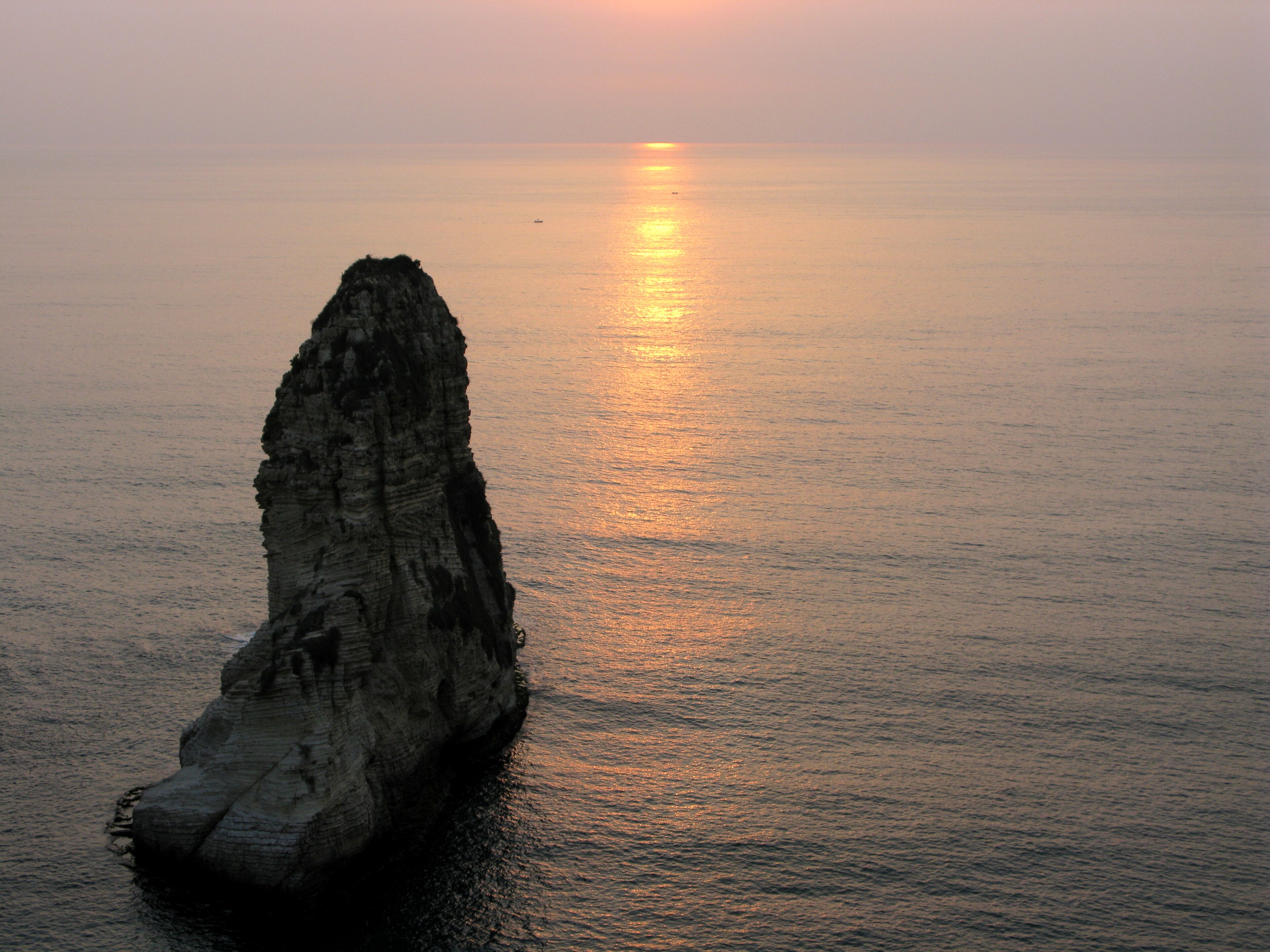
The Sea That Shaped the Western World
The Mediterranean is the inland sea lying between Europe, Africa and Asia, known as the cradle of ancient Greece, Rome and the Phoenicians and as one of the world's great holiday regions. Its shores are shared by more than twenty countries, from Spain and France in the west to Greece, Turkey, Cyprus and Egypt in the east. The climate, with warm, dry summers and mild winters, has shaped a way of life of long lunches, evening promenades and food built on olive oil, fresh vegetables, bread, fish and wine.
That lifestyle has been recognised by UNESCO, which has listed the Mediterranean diet as intangible cultural heritage. The sea is also an archive of civilisation, with ancient harbours, temples, theatres and fortified towns on almost every coast. Travellers can move from the ruins of Paphos to Turkey's Aegean coast, from the Baroque streets of Malta to the Roman walls of Croatia's Dalmatia, and feel the layers of shared history change with each stop.
Islands, Rivieras and Coastal Cities
Islands are the sea's signature. Sicily and Sardinia offer mountains, ancient sites and beaches of striking clarity, while Corsica adds wild, scented maquis, and Mallorca pairs sheltered coves with a lively cultural capital in Palma. In the Aegean, Mykonos and Paros show the whitewashed Cycladic ideal. Each island has its own food, from Sicilian arancini and cannoli to Mallorcan ensaimada, and a loyalty among visitors that brings them back year after year.
On the mainland, the French Riviera and the Amalfi coast set the standard for glamour, with terraced villages, lemon groves and yacht-filled harbours, while cities such as Barcelona, Marseille, Naples and Athens bring culture, markets and nightlife. A tourist board can use that diversity to speak to families, couples, foodies, sailors and culture seekers, and a single Mediterranean showcase can link them all.
Choosing a Season and a Route
Late spring and early autumn are widely favoured, with warm seas and comfortable days for sightseeing and walking. Summer is peak beach season, while winter brings mild, bright weather to the southern shores, ideal for cultural city breaks and quieter coasts. Harvest time in September and October adds wine and olive festivals across the region, and the many saints' days and carnivals of spring and summer make the calendar constantly lively.
Cruises, ferries, low-cost flights and sailing routes make the sea easy to explore, whether as a single-base holiday or a multi-stop itinerary. A name like VisitMediterranean.co.uk offers an easy shop window for hotels, airlines and boards across the entire basin. Travellers can pair a Mediterranean break with a wider journey across Europe or Turkey, and with the Balearic Islands for another sun-soaked island group.
Coasts, Islands and the Right Base for You
The Mediterranean offers a choice of stay for every mood. Beach resort lovers favour the Costa del Sol around Marbella, the Greek islands and the Turkish Riviera, where hotels with pools, children's clubs and spas make family holidays simple. Couples often pick small harbour towns such as Portofino or Cassis, or a cliff-top hotel on the Amalfi coast, and walkers choose farmhouses in Tuscany, Provence or Mallorca's Tramuntana hills. Boutique conversions of castles, monasteries and fishermen's houses give a strong sense of place.
Villas are a Mediterranean speciality. Stone houses with private pools and olive terraces suit groups and multi-generation holidays in Puglia, Sicily and the Algarve, while sailing yachts and gulets let guests change bay every day. Luxury travellers choose the French and Italian Rivieras, Capri, Mykonos and Marbella, and cultural travellers choose city hotels in Barcelona, Rome, Athens or Valletta. Golf resorts in Spain, Portugal, Turkey and Cyprus add another strand, giving winter sun to those who prefer a morning round to a beach.
Olive Oil, Markets and Festivals Around the Sea
Food is the Mediterranean's common language, though every coast speaks it differently. Spain offers tapas, paella and jamon, Italy brings handmade pasta and gelato, Greece serves meze, grilled octopus and feta, and North Africa adds tagines, couscous and mint tea. Markets are the best classroom: Boqueria in Barcelona, Rialto in Venice and the souks of Marrakech. Wine has deep roots here too, from Rioja and Tuscan reds to island whites, and olive oil, bread and fresh herbs link every table.
Culture follows the calendar. Spring brings Holy Week processions in Seville and across Sicily, while summer is a season of open-air music, from the opera in Verona's Roman arena to jazz in southern France. Autumn is harvest time, with olive pressing, grape picking and truffle fairs, and winter shines in the southern shores with Christmas markets and citrus groves. Architecture ranges from Greek temples and Roman amphitheatres to Moorish palaces, Venetian harbours and Gaudi's Barcelona, so a single trip can span three millennia.
Sailing, Cycling and Island-Hopping Itineraries
The sea invites movement. Sailors follow the Greek Cyclades, the Dalmatian coast or the Balearics, with reliable summer breezes and countless marinas. Divers explore reefs and wrecks from Malta to the Greek islands, and walkers tackle coastal paths such as the Cinque Terre trails and the Amalfi Path of the Gods. Cyclists enjoy Mallorca's mountain roads in spring, and wellness seekers find thermal spas in Turkey and Italy and thalassotherapy centres in France and Tunisia, each rooted in a long tradition of taking the waters.
Itineraries link easily by ferry and short flights. A week might join Sicily and Malta, or pair Mallorca with Ibiza and the French Corsican coast. Cruises tie ports together, and a destination guides hub lets travellers compare options before choosing. Hotel groups, boards and airlines can use a regional story to sell the wider journey rather than a single stop, and a visitor who begins with one island will often return to explore another.
Planning your stay
The Mediterranean is bordered by countries in Europe, the Middle East and North Africa, and a UK traveller's experience depends heavily on which one they choose.
In our network the region links island and coastal guides such as Malta, Croatia and Rovinj, and the guides in the wider Greece, Cyprus and Türkiye group.
Schengen countries: Greece, Croatia and Malta
Your passport must have been issued less than 10 years before you arrive and expire at least three months after you plan to leave the Schengen area. UK visitors can travel without a visa for up to 90 days in any 180-day period, counted across all Schengen countries, and overstaying can lead to a ban of up to three years.
Cyprus is different
Cyprus is not in the Schengen area. It also says Cyprus is not affected by the EU's Entry/Exit System, so there is no EES registration there, and its passport rule also asks for at least one blank page.
A trip that combines Cyprus with Greece or Croatia therefore involves two separate 90-day counts.
Before you travel
Entry requirements and official travel guidance are updated regularly, so check the latest position with your government before booking. The sources we used are listed at the foot of this page.
Why the Mediterranean matters to the industry
Travellers often search for the sea or region before they choose a country, which makes a regional name valuable for comparison, planning and inspiration. VisitMediterranean.co.uk lets a tourist board, hotel group or airline present several destinations together, and an online travel agency can use it as a regional hub.
Browse our destination guides for country detail, and see the AI platform page for how this content reaches assistants and search.
Questions travellers ask about The Mediterranean
What is the Mediterranean best known for?
The Mediterranean is best known for its warm climate, historic coastal cities, island holidays, ancient ruins and a food culture based on olive oil, seafood, fresh produce and wine. UNESCO has recognised the Mediterranean diet as intangible cultural heritage.
When is the best time to visit the Mediterranean?
Late spring and early autumn are popular for warm sea and comfortable sightseeing. Summer is the main beach season, and winter suits mild, bright city breaks in the southern and eastern parts of the sea.
Which part of the Mediterranean is best for families?
Family favourites include the Balearic Islands, the Algarve-adjacent Spanish coasts, Croatia's Istria, Malta, Cyprus and the Turkish Riviera, where sheltered beaches, children's clubs and short transfers keep holidays easy and relaxed.
What can I do in the Mediterranean in winter?
Winter suits mild city breaks in Seville, Malaga, Valletta, Paphos and Athens, plus walking on islands such as Malta and Sicily. Citrus harvests, Christmas markets, spas and museum visits fill sunny days.
In the Visit Travel Group portfolio: VisitMediterranean.co.uk, VisitTheMediterranean.co.uk.