Atlantic Cliffs, Ancient Stones and Green Roads
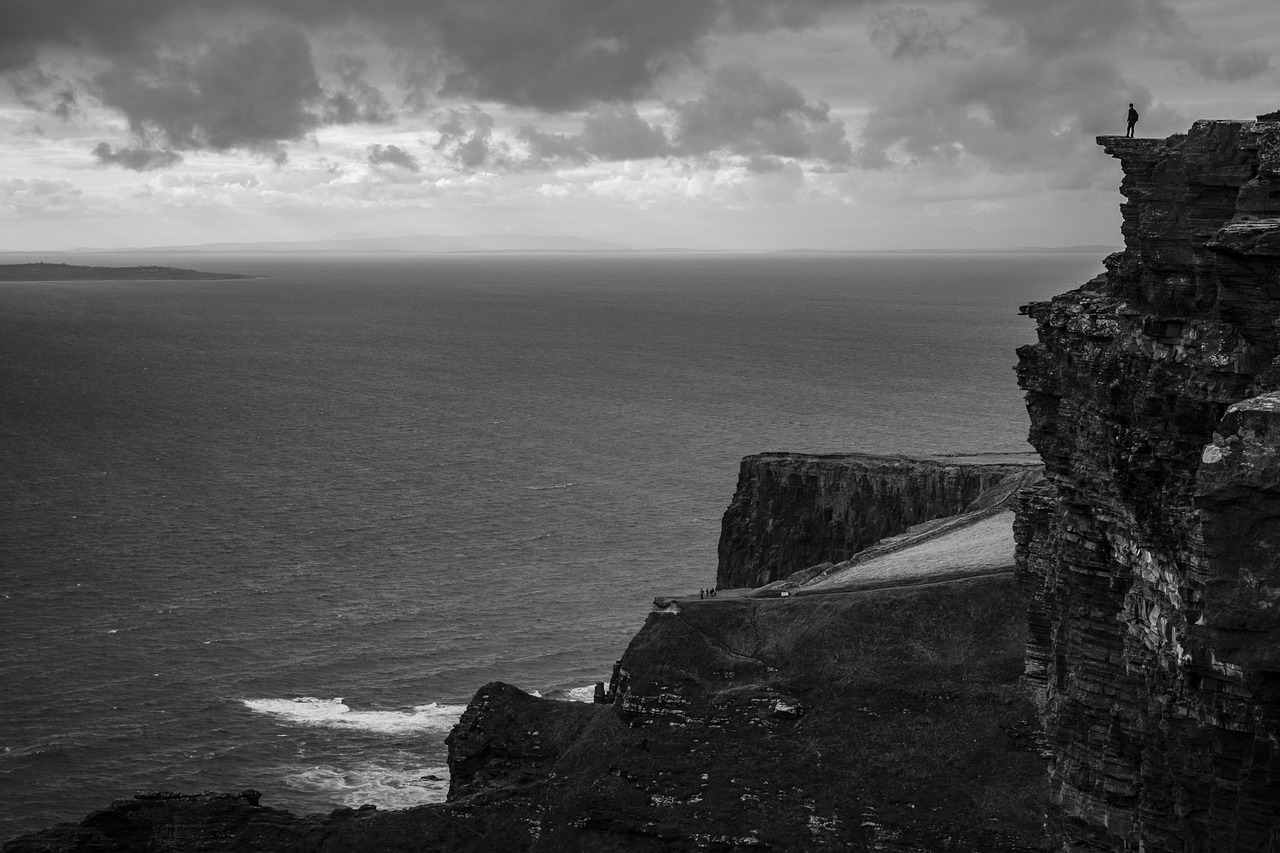
Ireland is an island in the north Atlantic, west of Great Britain, known for its green landscape, dramatic coastline, ancient monuments, literary heritage and music. The Wild Atlantic Way, a signposted route of about 2,500 kilometres down the west coast, links headlands, beaches, fishing villages and mountain passes. The Cliffs of Moher rise high above the sea in County Clare, while the Ring of Kerry and the Dingle Peninsula offer winding roads and sea-and-mountain scenery that is among the most photographed in Europe.
History reaches back thousands of years. Newgrange, in the Boyne Valley, is a passage tomb older than Stonehenge and part of the Brú na Bóinne UNESCO World Heritage Site, inscribed in 1993. Skellig Michael, a rocky island monastery off Kerry, was added to the list in 1996. Travellers who enjoy rugged landscapes and a strong sense of heritage often pair Ireland with Scotland, with the Channel Islands for a gentler island pace, or with other European capitals.
Dublin, Galway and the Craic
Dublin is a city of writers and conversation. Trinity College houses the Book of Kells, the Georgian squares of the south side shelter elegant townhouses, and the Temple Bar and Grafton Street areas offer shops and music. The Guinness Storehouse and the city's whiskey distilleries tell their own stories. Galway, on the west coast, is a city of buskers, festivals and seafood, and a base for the Aran Islands and Connemara, where dry stone walls and lakes lead to the Atlantic.
Food has changed Ireland's image. Fresh oysters, smoked salmon, brown soda bread, lamb, farmhouse cheeses and Irish butter appear on menus from village inns to Michelin-starred rooms, and Cork's English Market is a showcase of local produce. Traditional music sessions fill pubs across the country, and the St Patrick's Festival in March draws visitors to Dublin. A hotel group can showcase Ireland's castle hotels, country houses and coastal retreats in one clear, appealing collection.
Seasons, Roads and Easy Journeys From the UK
Late spring and summer bring long evenings, when light lingers past ten, and the countryside is at its greenest. Early autumn is a favourite for walking and food festivals, and winter has its own appeal in cosy pubs and open fires. The Burren in County Clare, a limestone landscape rich in wildflowers, is at its best in spring, and Connemara and Donegal give rugged hill walks in every season.
Ireland is easily reached from the UK by short flights and by ferry from Holyhead, Liverpool and Cairnryan, and Dublin, Shannon, Cork and Kerry airports serve routes from across Europe. A name like YourIreland.co.uk gives airlines and boards one clear showcase for the island. Extended journeys can continue to Brussels or Berlin for a city contrast, and a road trip along the west coast makes a natural spine for a longer holiday.
Castle Hotels, Country Houses and Coastal Cottages
Ireland's accommodation is part of the journey. Castle hotels such as Ashford Castle in County Mayo and Dromoland in Clare turn estates into romantic retreats, with falconry, fishing and spa treatments for couples seeking luxury. Georgian townhouses in Dublin and elegant country houses in Wicklow and Kilkenny offer a gentler, more intimate style, while seaside towns such as Kinsale, Kenmare and Dingle have small hotels and guesthouses where breakfast is a serious pleasure.
The west coast offers a more rugged flavour. Galway and Westport are lively bases for music and food, Doolin suits walkers and traditional music fans, and Connemara has lodges beside lakes and mountains. Killarney is the classic base for the Ring of Kerry, with hotels beside the national park, and golf resorts such as Ballybunion, Lahinch and Waterville draw players from around the world. Families enjoy self-catering coastal cottages and holiday parks, and large groups can book manor houses with room for celebrations.
Seafood Chowder, Irish Coffee and Festival Summers
Irish cooking is built on quality ingredients. Seafood chowder, creamy and full of fresh fish, appears on every coastal menu, alongside Dublin Bay prawns, Irish stew, boxty potato pancakes and colcannon, mashed potato with cabbage. Barmbrack, a fruited tea loaf, is a Halloween tradition, and strong afternoon tea with scones is a national ritual. Irish coffee was born at Foynes in County Limerick, and artisan cheeses, from Gubbeen to Cashel Blue, show the quality of the dairy tradition.
Festivals pepper the year. Bloomsday in Dublin on 16 June celebrates James Joyce with readings and costumes, Galway International Arts Festival in July fills the city with theatre and music, and the Rose of Tralee in August is a long-running celebration. Cork Jazz Festival in October and Wexford Festival Opera add autumn notes, and the Fleadh Cheoil is the great gathering of traditional music. Crafts include Aran knitwear, Donegal tweed, Waterford crystal and Connemara marble, all lovely souvenirs of the trip.
Greenways, Surf Beaches and Giant's Causeway Days
Ireland suits many styles of activity. The Wicklow Way and the Kerry Way are long-distance paths through glens and mountains, while Greenways such as the Great Western Greenway in Mayo give flat cycling on disused railways. Lahinch and Bundoran offer surfing, Dingle has boat trips to see dolphins and seabirds, and the lakes of Killarney and Lough Corrib invite fishing and kayaking. Horse riding on the beach, spa weekends and food trails all fit comfortably into a stay.
Day trips deepen a base. From Dublin, Glendalough's monastic site and Kilkenny's castle are easy outings, from Cork, Cobh and Blarney Castle are close, and across the north, the Giant's Causeway, a UNESCO site since 1986, and Belfast's Titanic Quarter reward a longer drive. A airline can connect Dublin, Shannon and Cork with Britain and the rest of Europe, and travellers looking for a second Celtic stop can go on to Scotland, while the Irish diaspora link to Boston adds a transatlantic option. Island lovers can also compare the Channel Islands, and city-break fans can add Brussels or Berlin on a wider European trip.
Planning your stay
Tourism Ireland promotes the island of Ireland as six regions: Dublin, Ireland's Ancient East, Ireland's Hidden Heartlands, the Wild Atlantic Way, Belfast and Northern Ireland. Places it highlights include Cork city, Derry~Londonderry, the Fermanagh Lakelands, Kilkenny city and the Ring of Kerry, and attractions such as the Guinness Storehouse and Game of Thrones Studio Tour.
The UK's other nations are covered in Scotland, and the wider region in the Europe guide.
Entry and ID rules
British and Irish citizens can travel freely between the UK and Ireland under the Common Travel Area, and Irish immigration officers are entitled to ask for proof of British nationality.
Some airlines and ferry operators have introduced, or are introducing, a passport-only identification requirement.
No visa, no Schengen, no EES
You can visit and remain in Ireland indefinitely under the Common Travel Area rules, and British nationals do not need a visa or residency permit to live, work or study there.
A trip that continues to the continent, such as to Estonia or Brussels, would involve Schengen checks on that leg.
Customs, cash and pets
It also says you must declare cash or travellers' cheques worth 10,000 euros or more, and you will get a certified declaration to show you brought it in.
Check these well ahead, because they affect your choice of route and carrier, and keep any paperwork with you when you travel.
Before you travel
Entry requirements and official travel guidance are updated regularly, so check the latest position with your government before booking. The sources we used are listed at the foot of this page.
Why Ireland matters to the industry
Ireland is among the UK's easiest and closest international trips, and travellers often compare it with Scotland and the Channel Islands. YourIreland.co.uk lets a tourist board, hotel group or airline publish clear, current ID and entry rules, and a online travel agency can link to it.
See our destination guides and the AI platform page, or compare with the Channel Islands for another short-haul market.
Questions travellers ask about Ireland
What is Ireland best known for?
Ireland is best known for the Wild Atlantic Way, the Cliffs of Moher, Dublin's literary heritage, ancient sites such as Newgrange and Skellig Michael, traditional music, seafood and a famously warm welcome.
When is the best time to visit Ireland?
Late spring and summer offer long daylight and green landscapes, while early autumn is excellent for walking and food festivals. Winter suits cosy city breaks and traditional music sessions.
Where should I stay in Ireland for a first visit?
Many visitors split time between Dublin for culture, a west-coast base such as Galway, Killarney or Dingle for scenery and music, and a castle or country-house hotel for a touch of luxury. Self-catering cottages suit families.
What should I do in Ireland on a rainy day?
Rainy days suit museums and libraries in Dublin, distillery and brewery storehouse tours, cosy seafood lunches, traditional music sessions in a pub and spa treatments at country hotels. Many of the best visitor attractions are indoors.
In the Visit Travel Group portfolio: YourIreland.co.uk.