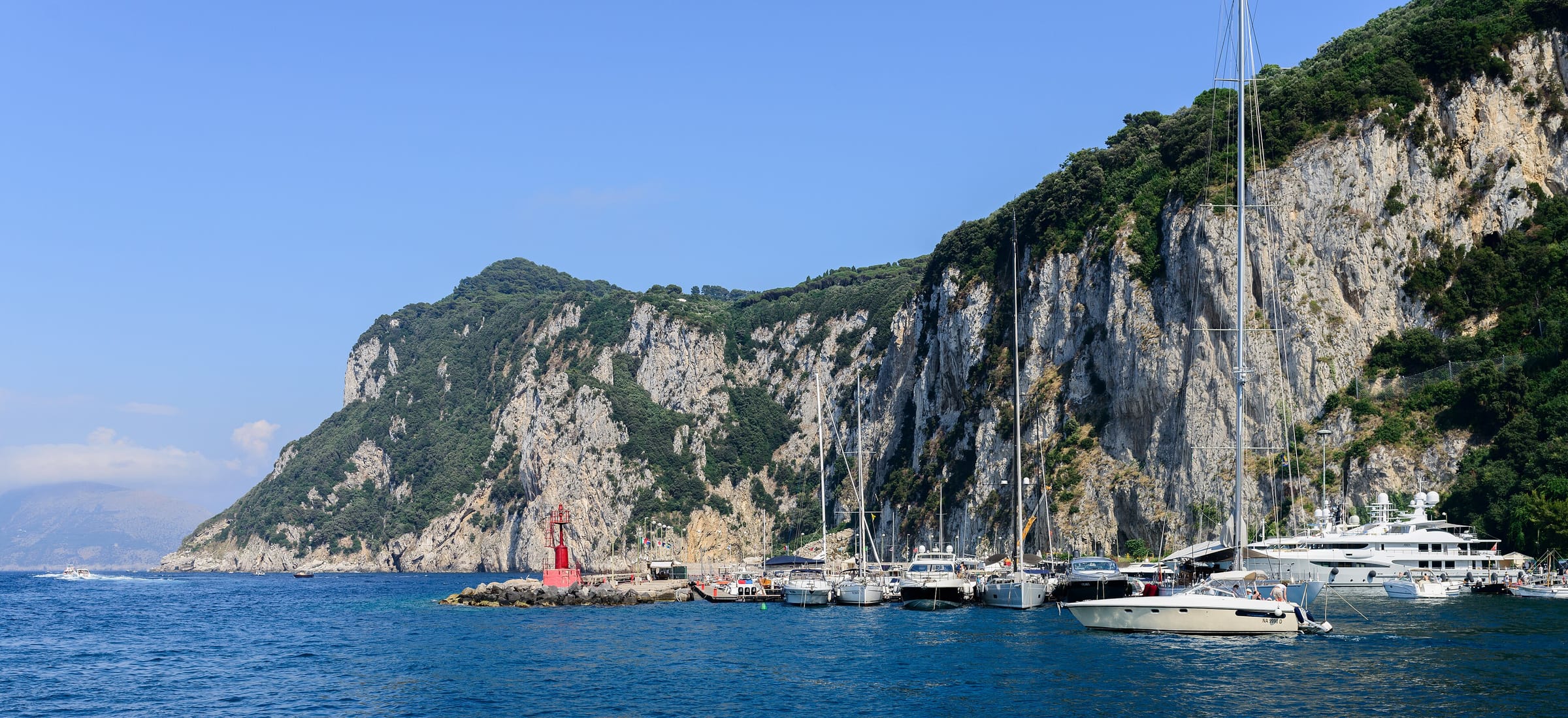
Naples, Pompeii and the Bay of Naples
Campania is a region of southern Italy on the Tyrrhenian Sea, with Naples as its capital, known for ancient Roman sites, a spectacular coastline and some of Italy's best-loved food. Its history reaches from Greek colonists and the Romans to the Bourbon kings, and the legacy is visible everywhere, from the temples of Paestum to the grand Royal Palace of Caserta, a UNESCO World Heritage Site with formal gardens and cascades. The landscape of bay, islands and green hills has drawn travellers for centuries.
The archaeological sites are among the most remarkable in Europe. Pompeii and Herculaneum, preserved beneath ash since AD 79, give an extraordinarily intimate view of Roman daily life, with painted villas, streets and shopfronts still readable. Naples holds the finest finds in its National Archaeological Museum, and day trips are easy by local train. The wider region combines naturally with Rome and the Lazio coast on a classic Italian itinerary.
Capri, Ischia, Procida and Amalfi
Offshore, three islands each offer a different pace. Capri is the glamorous one, with its Piazzetta, the Blue Grotto and chair-lift views from Monte Solaro. Ischia is known for thermal gardens and green walking trails, and Procida, a tiny island of pastel houses, was Italy's Capital of Culture in 2022. Ferries and hydrofoils leave Naples and Sorrento throughout the day, so island hopping is easy from the mainland.
On the mainland, the Sorrento Peninsula and the Amalfi Coast fall in terraces of lemon groves to the sea, with Positano, Ravello and Amalfi town as its great names. Campania's table is superb: pizza napoletana, buffalo mozzarella, sfogliatella pastries and seafood pasta are staples, along with Falanghina and Aglianico wines. A tourist board can present each of these as a separate theme, from archaeology to food to island life.
Seasons and Getting There
Late spring and early autumn are the gentlest seasons, ideal for archaeological sites, coastal walks and sea crossings, while July and August suit beach holidays on the islands. Winter is quiet, atmospheric and good for Naples' museums, theatres and Christmas nativity scenes on Via San Gregorio Armeno, a local tradition that fills the lanes with craft stalls.
Naples International Airport has direct flights from the UK and much of Europe, and high-speed trains link Naples with Rome in about an hour and ten minutes. A rental car or private driver suits the coast, while local trains and ferries cover the bay. Combined with Sicily by overnight ferry or short flight, it makes a long southern holiday. A name like VisitCampania.co.uk gives boards and airlines a clear home for the region.
Island Retreats, Cliff Villas and Naples Palaces
Campania's stays follow the geography. In Naples, grand hotels along Via Partenope look across the bay to Capri, while boutique stays in the old town place guests among chapels and pizzerias. Sorrento, on the peninsula's northern side, is a classic base with lemon-scented streets and ferry links, popular with families and groups. Capri's villas and small hotels suit couples and special occasions, while Ischia's thermal spa hotels focus on wellness and quiet walks among the gardens.
Along the Amalfi Coast, cliff-top hotels and villas in Positano, Ravello and Amalfi suit honeymooners and those wanting dramatic sea views. Inland, masserie and farmhouses around Caserta and the Cilento coast offer rural calm, with Paestum's Greek temples nearby. Procida, the smallest of the islands, has pastel guesthouses beside fishing harbours. A booking platform can package each of these as a separate holiday or combine island and mainland nights in one flexible itinerary.
Mozzarella, Limoncello Heritage and Nativity Craft
Campania is a pantry of southern Italy. Buffalo mozzarella from the plains near Caserta, San Marzano tomatoes, Sorrento lemons, Amalfi anchovies and Ischia rabbit are regional treasures, while pizza fritta, sfogliatella, babà and the Easter pastiera sweeten the table. Lemon liqueurs and limoncello are part of the coast's culinary heritage, and local wine houses make Falanghina, Greco di Tufo and Taurasi in the hills near Avellino and Benevento. Cooking classes and farm visits let guests meet the producers.
Craft and music are everywhere. Naples is known for hand-painted ceramics from Vietri sul Mare, coral and cameo jewellery from Torre del Greco, and the nativity figurines of San Gregorio Armeno. Opera at the Teatro San Carlo, Neapolitan song and the Ravello Festival give evenings a soundtrack, and Procida's Italian Capital of Culture year in 2022 left new galleries and festivals. Travellers from Rome often come south in spring for the Easter processions and the first warm weekends.
Sea Crossings, Ancient Sites and Island Trails
Active and themed days are abundant. Hikers follow the Path of the Gods, Monte Faito and Ischia's Epomeo trail, while divers explore the marine protected area of Punta Campanella and the underwater ruins at Baia near Pozzuoli. Sailing and private boat days run along Capri, Procida and the Cilento coast, and cyclists enjoy the quiet lanes of the Sorrento Peninsula. Wellness lovers choose Ischia's thermal gardens, and history trails link Pompeii, Herculaneum, Oplontis and the Greek temples of Paestum.
Day trips are simple by train, ferry and road. Caserta's Royal Palace and the Phlegraean Fields lie near Naples, and Salerno's cathedral and gardens offer a quiet seaside city on the way to the coast. The Cilento National Park adds beaches and ancient Velia for those travelling further south. A stay can be built around one base, perhaps Amalfi or Naples, with sea crossings and a final stop in Sicily or Puglia to complete a southern Italian holiday.
Planning your stay
Campania is a region that works as a city break, a beach holiday and an archaeology trip, often in the same week. Naples is the regional capital and the usual gateway. Its historic centre has been a UNESCO World Heritage Site since 1995, and the National Archaeological Museum holds much of what was recovered from Pompeii and Herculaneum, so many visitors see the museum before or after the sites themselves, which are a short train ride away. Further south sit the cliff towns of the Amalfi Coast, including Positano.
Beyond the headline names, the region also has the royal palace at Caserta, the Greek temples at Paestum and the quieter Cilento coast. The islands of Capri, Ischia and Procida are reached by ferry from Naples and Sorrento, and are best treated as separate stops rather than day trips squeezed into a tight itinerary.
When to go
April to June and September to October give warm weather, open restaurants and manageable crowds at the archaeological sites. July and August are hot and busy, so book ferries, tickets and rooms early. Many coastal hotels close in winter, while Naples and the inland sites stay open all year.
It also says heavy rainfall is common across Italy in winter and can cause local flooding.
Getting there and getting around
Naples airport is the main gateway, and nonstop flights from London typically take around two hours 40 minutes, depending on the airline. Trains link Naples to Pompeii, Sorrento and Salerno, and fast trains run north to Rome, which makes a combined trip straightforward. Ferries connect Naples, Sorrento and the islands, though sea conditions can change timetables.
Driving is best avoided in the city and on the coast road.
Before you travel
Entry requirements and official travel guidance are updated regularly, so check the latest position with your government before booking. The sources we used are listed at the foot of this page.
Why Campania matters to the industry
Campania packs a major city, two archaeological sites and a famous coast into one region, so travellers want straight answers on seasons, transfers and logistics before they book. On VisitCampania.co.uk, a tourist board, hotel group or airline can publish those answers once, and our AI platform passes them on to AI assistants.
See our other destination guides to compare regions, or read how an online travel agency can use verified content like this on its own listings.
Questions travellers ask about Campania
What is Campania best known for?
Campania is best known for Naples, pizza, the archaeological sites of Pompeii and Herculaneum, the islands of Capri, Ischia and Procida, and the Amalfi Coast. It is also home to buffalo mozzarella and lemon groves.
How do I reach Campania from the UK?
Naples International Airport receives direct flights from several UK airports. From Naples, local trains reach Pompeii, ferries serve the islands and Sorrento, and buses and cars connect the Amalfi Coast.
Where should families stay in Campania?
Sorrento is a popular family base, with ferries, lemon groves and easy day trips to Pompeii and Capri. Ischia's thermal pools and gentle beaches also suit families, while Naples offers a lively city stay with museums and pizzerias.
What food should I try in Campania?
Try Neapolitan pizza, buffalo mozzarella, sfogliatella pastries, babà, seafood pasta and Sorrento lemon desserts. Amalfi anchovies, San Marzano tomatoes and the region's Falanghina and Greco di Tufo wines are also worth tasting.
In the Visit Travel Group portfolio: VisitCampania.co.uk.