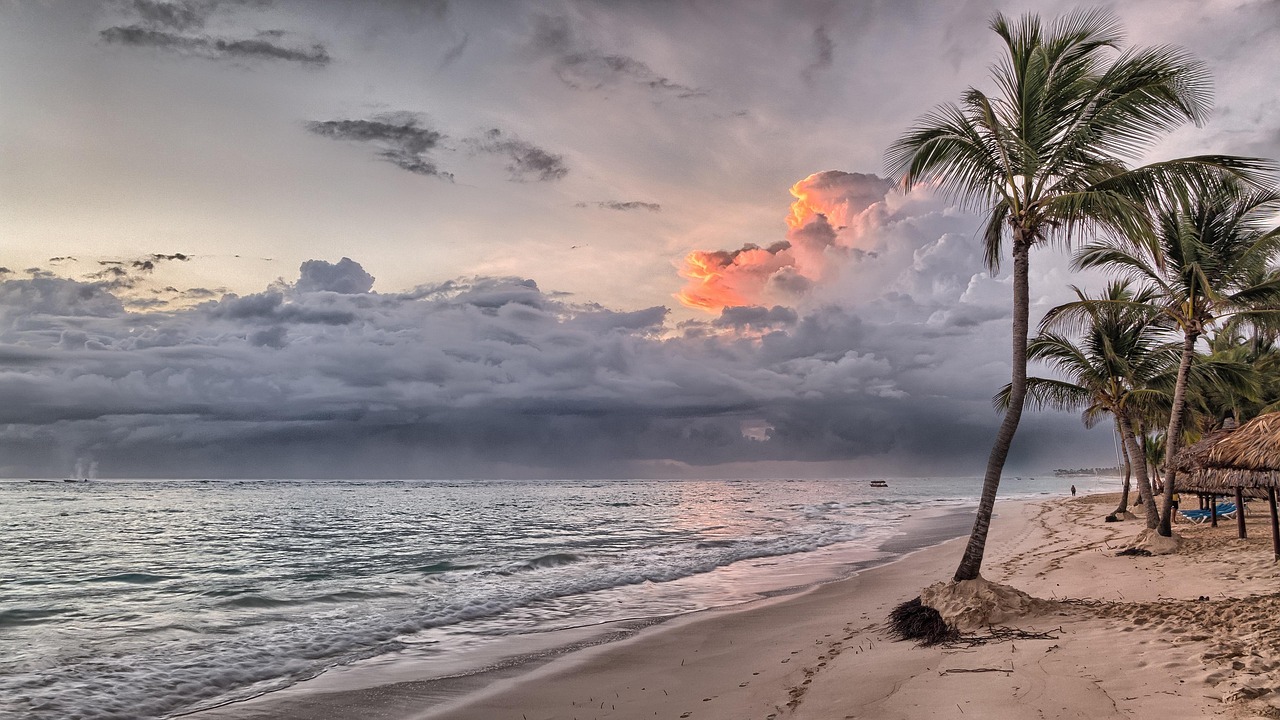
The Islands Behind the Name
The West Indies is the traditional name for the islands of the Caribbean Sea and the nearby Atlantic, taking in the Greater Antilles, the Lesser Antilles and the Bahamas archipelago. The name dates from the voyages of Columbus, who believed he had reached the Indies by sailing west, and it has stayed in use ever since, particularly in the English-speaking islands. Today it describes not only a geography but a shared culture of music, language, food and sport.
Few things express that shared identity better than cricket. The West Indies team brings together players from island nations such as Barbados, Jamaica, Trinidad and Tobago and Antigua and Barbuda, and match days at their grounds are as much about steel bands, food stalls and conversation as the game itself. For visitors, a day at a Test or T20 match is one of the warmest introductions to island life.
Rum, Spice and Rhythm Across the Chain
Heritage runs through the islands' plantations, forts and towns. Brightly painted Georgian streets, old sugar mills turned into restaurants and rum distilleries that still use century-old methods make the history of the islands tangible. Barbados is widely recognised as the birthplace of commercial rum, while Grenada carries the nickname of the Spice Island for its nutmeg and mace, and Jamaica gave the world jerk seasoning, reggae and a creative energy far larger than its size.
Festival life follows the calendar. Carnival season in Trinidad, Crop Over in Barbados, Antigua Carnival and the many music festivals of Jamaica fill the year with costume, calypso, soca and steel pan. A hotel group can build stays around these dates, and a guest who has watched a carnival parade or a beach cricket match often returns, because it feels like being welcomed into the place rather than merely visiting it.
Planning a Visit Across the Islands
The dry season from December to April offers the most dependable sunshine, and it coincides with the heart of the international cricket and sailing calendars. Many travellers pair islands that are close together: St Kitts with Nevis, or Antigua with Montserrat, where short flights or ferries keep the journey simple. Guides on WestIndies.co.uk can show how each combination fits a different style of trip.
Beyond the beaches, the West Indies rewards a slower approach: market breakfasts of saltfish and bakes, rum shops where conversation runs late, hillside walks through rainforest and sunrise swims at empty bays. Direct services from the UK serve several of the larger islands, and regional carriers connect the rest. The region suits couples, families, sailors and cricket fans alike, with each island adding its own flavour to the shared West Indian story.
Plantation Inns, Harbour Towns and Beach Houses
Heritage is part of the hospitality in the West Indies. Antigua offers stays around English Harbour and Nelson's Dockyard, where Georgian buildings overlook a harbour full of masts, while Nevis and St Kitts have converted sugar estates with stone mills, gardens and long verandas. Barbados is known for its Platinum Coast of elegant beach hotels near Holetown, and Jamaica's north coast keeps a tradition of grand seaside villas with staff and chefs. These are stays where architecture, garden and sea combine, and they appeal strongly to couples and multi-generation families.
Beach resorts and small guesthouses fill the rest of the picture. Negril's seven-mile sweep of sand suits those who like sunsets and low-key cliff-edge cabins, while Grenada's Grand Anse is a favourite for families who want a long, calm bay close to restaurants. In the Grenadines, Bequia offers small harbour-front inns and a yachting village feel. Many islands now offer villa rentals with private pools, which suit groups, golf parties and celebrations. Whatever the style, the best West Indian stays tend to be those with a verandah, a breeze and a short walk to the water.
Steel Pan, Black Cake and Island Craft
Music and food carry the culture. Trinidad is the birthplace of the steel pan, an instrument born from oil drums, and its sound runs through island life alongside reggae, calypso, soca and the string bands of the smaller islands. At the table, Guyanese and Trinidadian pelau, Barbadian fish at the Oistins Friday fish fry, breadfruit roasted over coals and cold coconut water from a roadside vendor are everyday pleasures. At Christmas, dark fruit black cake and ruby-red sorrel, a hibiscus drink, appear in almost every home, and visitors who are invited in are rarely allowed to leave hungry.
Craft and celebration add colour. Basket weaving, pottery, batik, painted calabash and hand-stitched straw work are sold in markets from Jamaica to St Vincent, and Easter brings kite flying on breezy hills and savannahs across several islands. Emancipation Day on 1 August is marked with music, storytelling and processions, and each island's independence celebrations add parades and local food. Visitors who travel across Jamaica and Grenada will notice how the same traditions are handled differently, with each island telling a distinctive version of a shared story.
Forts, Heritage Trails and Island Hops
History trails are rewarding and easy to follow. Brimstone Hill Fortress in St Kitts, a UNESCO World Heritage Site, offers ramparts with sweeping views, and Nelson's Dockyard in Antigua is another UNESCO site with museums and walking paths. Bridgetown and its Garrison in Barbados are also listed by UNESCO, and the nearby Garrison racecourse and museums bring the colonial period to life. Nature walks add variety, with rainforest hikes in St Vincent and Grenada, waterfalls in Jamaica and coastal paths to quiet coves. Guided trails, local storytellers and small museums turn a beach holiday into a deeper experience.
Island hopping is simple and joyful. Ferries and small aircraft link neighbouring islands, so a stay can combine a heritage week in Antigua with a day in Montserrat, or a base in St Vincent and the Grenadines with a sailing day among the cays. Sailing holidays, snorkelling, cycling and cooking classes make useful add-ons. A hotel group can anchor itineraries on a single island and invite guests to extend with a second, and the region's compact size means each new stop feels like a fresh chapter rather than a long journey.
Planning your stay
The term dates from the European voyages of the late fifteenth century, which were seeking a westward route to the Indies and instead reached these islands. The name stuck, and it is still used today, particularly across the English-speaking Caribbean and in British usage.
In practice it covers the island chain from the Bahamas in the north to the islands off the coast of Venezuela in the south. The West Indies cricket team, which brings together players from several territories, and the regional university both use the name, which shows how it works as a shared identity.
West Indies or Caribbean?
The two terms overlap. The Caribbean is the wider modern label for the sea, its islands and the coasts around it, while the West Indies is more often used for the islands themselves and for the English-speaking Commonwealth part. Travel brands tend to use Caribbean, but many UK travellers still search for West Indies, particularly those with family ties or a cricket interest.
Our Caribbean guide covers the region from the perspective of entry rules and seasons, and this page focuses on the name and how to use it. If you are deciding between the two terms for a booking, the practical answer is that the destination, not the label, determines the rules, so read the guide for the island you want and treat the Caribbean overview as the planning page for the whole region. Travellers searching for a South American neighbour with Caribbean links will also want our Guyana guide, which explains why a mainland country is grouped with the islands.
Planning around the season
Travel in winter is the most popular and the most expensive option. Shoulder months can offer better value, and many islands are quieter between late spring and early summer, though weather risk rises as the season builds. Families with school-holiday constraints should book early, because the most popular islands fill quickly in school holidays and at Christmas and Easter.
Choosing a base
Visitors tend to choose between beach resorts, sailing bases and culture-led trips. Island-hopping is easier in compact chains, while larger islands reward longer stays. A traveller from the UK should consider total journey time, including connections, as well as the headline flight.
Our destination guides cover each place in turn, and our airline partner page describes how routes are presented to travellers while they are comparing.
Before you travel
Entry requirements and official travel guidance are updated regularly, so check the latest position with your government before booking. The sources we used are listed at the foot of this page.
How the name supports partners
WestIndies.co.uk gives partners a familiar, search-friendly name for travellers who use the older term. Hotels and tourist boards can see how this works through our tourist board page, and a conversational concierge can answer questions in plain language. For a mainland neighbour of the region, see our Guyana guide.
Questions travellers ask about The West Indies
What does West Indies mean?
It is the older name for the island chain between North and South America, from the European voyages that sought a westward route to the Indies. It is still widely used, especially for English-speaking islands.
Is the West Indies the same as the Caribbean?
The terms overlap. The Caribbean is the wider modern label for the region and its sea, while the West Indies is more often used for the islands themselves.
What is the difference between the West Indies and the Caribbean?
The two terms describe largely the same island region. West Indies is the older, historical name still used in cricket and in the English-speaking islands, while Caribbean is the common modern term for the sea and its surrounding islands and coasts.
Which islands make up the West Indies?
The West Indies covers the Greater Antilles such as Jamaica and Puerto Rico, the Lesser Antilles from the Virgin Islands to Trinidad and Tobago, and the Bahamas archipelago. Each island or group has its own identity, cuisine, music and festivals.
Where should couples stay in the West Indies?
Couples often choose Nevis and St Kitts for restored plantation inns, Antigua for harbour-side Georgian charm, Barbados for the elegant Platinum Coast and the Grenadines for small island hideaways. Villas with private pools suit those who want seclusion and personal service.
Which West Indian heritage sites are worth visiting?
Nelson's Dockyard in Antigua, Brimstone Hill Fortress in St Kitts and the historic Bridgetown and its Garrison in Barbados are all UNESCO World Heritage Sites. Each can be visited in a day and combined easily with beach time and local food.
In the Visit Travel Group portfolio: WestIndies.co.uk, WestIndies.uk.