The Caribbean's Capital of Rhythm and Flavour
Trinidad and Tobago is a twin-island republic at the southern end of the Caribbean, known as the birthplace of the steelpan and of calypso and soca, and for its Carnival, multicultural food and rich wildlife. The country covers 5,131 square kilometres and had roughly 1.5 million residents in 2025, with Port of Spain as its capital and Chaguanas the largest municipality. It became independent on 31 August 1962 and a republic in 1976. Its population is remarkably diverse, with about 35.4 per cent Indian, 34.2 per cent African and 22.8 per cent mixed heritage.
That diversity powers the culture. Carnival, held before Lent, is the most celebrated festival, with costume bands, soca and steelpan filling Port of Spain. Diwali and Hosay show the depth of the Indian heritage, and the food reflects every community: doubles, curry, roti and the beach favourite, bake and shark at Maracas Bay. For a visitor, this is a destination to taste and listen to as much as to see, and a stay in Port of Spain makes an energetic introduction.
Pitch Lake, Scarlet Ibis and Northern Range Trails
Trinidad has natural wonders beyond the festival floor. Pitch Lake, the largest natural reservoir of asphalt in the world, is a distinctive sight in the south of the island. The Asa Wright Nature Centre in the Northern Range is renowned among birdwatchers, and boat trips in the Caroni Swamp bring visitors close to scarlet ibis roosting at dusk. These experiences give the island real appeal for naturalists and wildlife photographers, and for anyone who wants to travel beyond the beach.
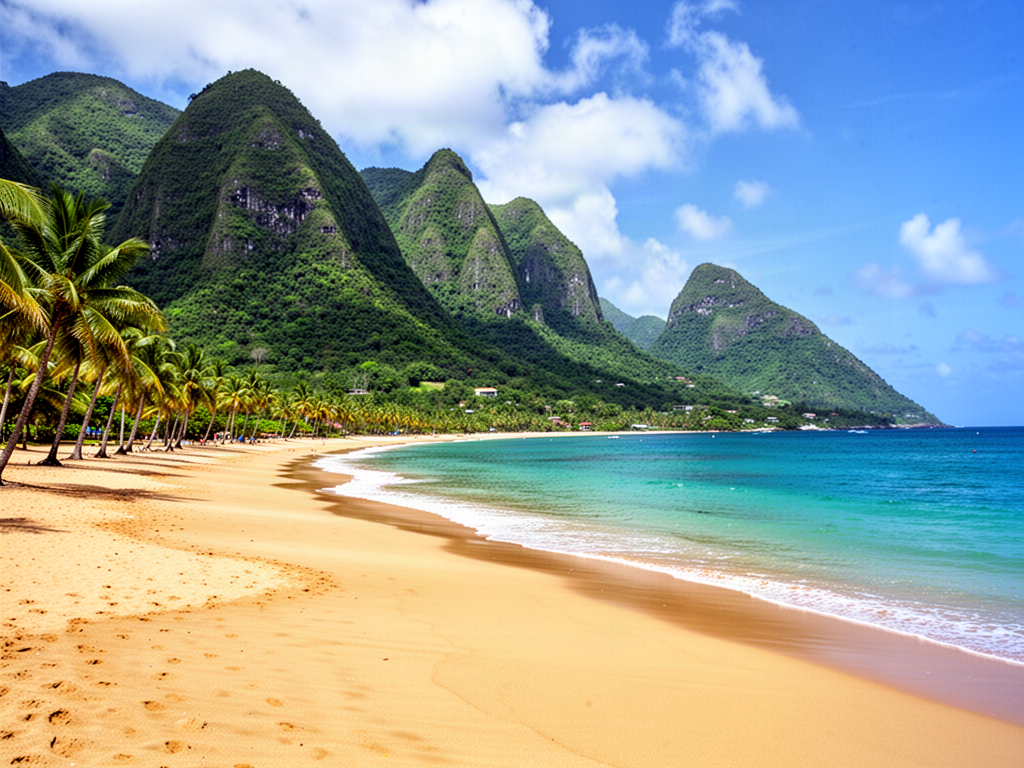
Beaches, hiking and waterfalls add variety, and the northern coast around Maracas Bay offers a sweep of sand framed by green hills. For a hotel group or tour operator, the ability to combine culture, food, wildlife and beaches makes the destination easy to package. Nearby, Grenada provides a spice-scented contrast, while Guyana to the south offers rainforest and wildlife adventures that complement a Trinidad stay.
Tobago, Carnival Timing and Getting Around
Tobago, the smaller island, is quieter and more relaxed, with beaches, reefs and a slower pace; the separate guide to Tobago covers it in detail. Many travellers combine a few days in Trinidad for culture and food with a few on Tobago for sand and sea, and ferries and short flights link the two. That two-in-one structure is a strength for any hotel group, airline or booking platform designing an itinerary.
The dry season from January to May is the most popular, with Carnival falling in February or March depending on Easter. Other months bring their own festivals, including Diwali in autumn. The region is easy to explore from here: Barbados lies to the north-east and the wider Caribbean beyond. A name like VisitTrinidad.co.uk gives boards, hotels and airlines a single, vivid home for the whole twin-island story.
Where to Stay: Port of Spain, Maracas and Tobago
Trinidad and Tobago offers more variety of stays than its size suggests. In Port of Spain, the neighbourhoods of Woodbrook, St Clair and Newtown have city hotels and guesthouses close to restaurants, the Queen's Park Savannah and the grand Magnificent Seven buildings, and suit culture seekers and business travellers who like to be in the middle of things. Chaguaramas, on the north-west peninsula, has marinas, boat yards and waterfront stays for sailors. The north coast around Maracas Bay and Las Cuevas offers quiet beach houses and views of green hills, while Blanchisseuse has jungle lodges and a wilder coastline.
Nature lovers have a classic choice in the Northern Range, where the Asa Wright Nature Centre has a lodge overlooking forest where hummingbirds and toucans visit the feeders, and guesthouses near Grande Riviere suit visitors who want to watch turtles nest on the beach. Across the water, Tobago has a gentler stay: Store Bay, Crown Point and Pigeon Point have resorts and apartments close to beaches, Speyside has small inns for divers, and Castara and Charlotteville offer fishing-village charm. Our separate guide to Tobago covers these in detail, and many travellers choose a few nights in each island to enjoy their very different rhythms.
Doubles, Panorama and a Year of Festivals
The cooking of Trinidad and Tobago is among the Caribbean's most exciting. Doubles, soft fried bread with curried chickpeas, are the island's breakfast, and pholourie, roti, curry, callaloo, pelau and corn soup show the range of its Indian, African, Creole and Chinese heritage. In Tobago, crab and dumplings is the signature. Fresh sorrel and coconut water make good thirst-quenchers, and Trinidad's cocoa and chocolate have a long history. The Queen's Park Savannah, the Red House and the Hindu temple in the sea at Waterloo give the island an architectural variety, while the National Museum and Art Gallery tells the story of a nation shaped by many peoples.
Festivals run all year. Carnival, held before Lent, is the great one, with the Panorama steelband competition, calypso and soca, J'Ouvert at dawn and costume parades through Port of Spain. Phagwa, in spring, brings colour and music from the Indian tradition, while Divali is celebrated with lights and the Divali Nagar fair. Tobago hosts a jazz weekend in the spring and a heritage festival in July and August, with food, folk dance and storytelling. Hosay and Emancipation Day add more depth. The dry season, from January to May, is the most popular, and an booking platform can package festival weekends, food trails and nature stays into themed trips.
Turtles, Reefs and Day Trips Across the Gulf
Active and wildlife experiences are strong. Leatherback turtles nest on Matura and Grande Riviere beaches from March to August, drawing visitors for night-time watches with guides. In Tobago, glass-bottom boats run to Buccoo Reef and the Nylon Pool, a shallow sandbar with clear water, and the Main Ridge Forest Reserve, one of the oldest protected forests in the Western Hemisphere, has guided bird walks and waterfall trails. Divers head to Speyside, hikers to Argyle Waterfall and the Northern Range, and golfers to courses on both islands. Sailors use Chaguaramas as a base for trips into the Gulf of Paria.
The twin-island structure makes day trips simple. Flights and ferries link Port of Spain and Scarborough, so a stay in Trinidad can include a Tobago beach day or a longer visit. Further afield, Grenada lies to the north, and Guyana offers rainforest and wildlife for a longer add-on. Barbados is a common gateway on the way in, and the wider Caribbean is easy to reach from here. Itineraries can be built around food, steelpan, birdwatching or beaches, and tourist boards can combine them into a single national story with the quiet, sandy calm of Tobago as a finale.
Planning your stay
Trinidad is the larger island and the commercial centre, home to the capital, Port of Spain, and an economy built on energy. It is where Carnival is the central event of the year, where steelpan music was invented and where street food such as doubles is a daily habit. Nature visitors come for the rainforest and the birdlife, including the scarlet ibis in the Caroni Swamp.
Tobago, a short flight or ferry away, is quieter, with white beaches, coral reefs and a laid back feel. See our guide to Tobago for the detail. Many travellers spend a few days in Trinidad for culture and food and the rest of the trip on Tobago for the beach.
Entry rules for UK visitors
British Airways flies non-stop from Gatwick to Port of Spain in about 9 hours 10 minutes.
Check TravelHealthPro for current health advice before you travel.
When to go
The dry season runs from January to May and is the most comfortable. Carnival takes place on the Monday and Tuesday before Ash Wednesday, and the build up begins weeks earlier, with hotels and flights booked well ahead. The wet season runs from June to December, with more rain and humidity. The islands lie south of the usual hurricane track, so direct hits are rarer than on islands further north, though the Atlantic hurricane season runs from June to November.
If you want birdwatching, the dry season is the best time, and Tobago's diving is good for much of the year.
Plan the logistics before you commit to a route. Trinidad's main airport is Piarco, outside Port of Spain, and onward flights or the ferry to Tobago need to fit your arrival time. Traffic around Port of Spain can be heavy, so allow extra time for transfers, and ask your hotel to arrange a trusted driver. Hire cars drive on the left, as in the UK, which makes self drive easier for British visitors outside the capital.
Before you travel
Entry requirements and official travel guidance are updated regularly, so check the latest position with your government before booking. The sources we used are listed at the foot of this page.
Where it fits
Trinidad and Tobago sits at the southern end of the chain, close to Venezuela, and it feels distinct from the islands to the north. For a wider trip, Grenada is the natural neighbour to the north, and Barbados offers a contrast. Our Caribbean guide places the southernmost islands against the northern chain.
That is the case for our tourist board partnerships, and you can browse the rest of the network in our destination guides.
Questions travellers ask about Trinidad and Tobago
When is Carnival?
On the Monday and Tuesday before Ash Wednesday, with events building for weeks beforehand. The date changes each year, so check it for your year and book early.
Should I visit Trinidad, Tobago or both?
Trinidad suits culture, food and birdlife, and Tobago suits beaches and diving. A split stay is common, with a short flight or ferry between them.
What is Trinidad and Tobago best known for?
Trinidad and Tobago is best known for Carnival, the steelpan, calypso and soca, its multicultural cuisine including doubles and bake and shark, and natural sights such as Pitch Lake and the scarlet ibis of the Caroni Swamp.
How do Trinidad and Tobago differ?
Trinidad is the larger, livelier island, with Port of Spain, Carnival, food and wildlife. Tobago is smaller and calmer, with beaches, reefs and a relaxed pace. Many visitors combine the two, using ferries or short flights to move between them.
Where should I stay in Trinidad and Tobago?
Port of Spain suits culture and food seekers, Maracas Bay and the north coast suit beach days, the Northern Range suits birdwatchers, and Chaguaramas suits sailors. Tobago's Store Bay, Pigeon Point and Speyside suit beach lovers, families and divers respectively.
What should I do on a rainy day in Trinidad?
Visit the National Museum and Art Gallery, take a food trail through doubles, roti and callaloo, tour the Magnificent Seven buildings around Queen's Park Savannah, or see a steelpan rehearsal. Waterfall and forest walks are also lush and rewarding after rain.
In the Visit Travel Group portfolio: VisitTrinidad.co.uk, VisitTrinidadAndTobago.co.uk.