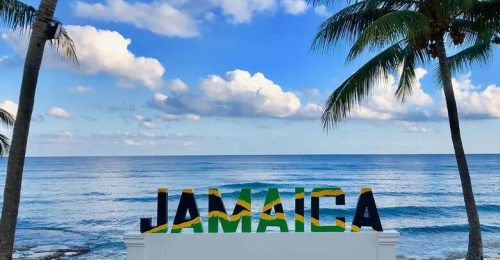
Jamaica, an Island With Its Own Beat
Jamaica is an island nation in the Greater Antilles of the Caribbean, known worldwide for reggae, its cuisine, its mountains and a cultural reach far larger than its size. With about 2.8 million people and Kingston as its capital, it is the third-largest island in the Caribbean by population and gained independence from Britain on 6 August 1962. Visitors meet an island of sharp contrasts, from the cool Blue Mountains rising above 2,200 metres to white-sand coasts, limestone cockpit country and cliff-edged bays on the south shore.
Music is the heartbeat. Kingston's studios and sound-system tradition produced Bob Marley, and his former home on Hope Road is now the Bob Marley Museum. The Blue and John Crow Mountains were inscribed as a UNESCO mixed World Heritage Site in 2015, recognising both their forests and the story of the Maroon communities who found freedom there. Food follows the same pride: ackee and saltfish, the national dish, sits beside jerk chicken, curried goat and festival. Many travellers combine it with Cayman Islands or the Bahamas on a wider island route.
Dunn's River Falls, Port Antonio and Treasure Beach
The north coast is the resort heartland: Ocho Rios has Dunn's River Falls, a terraced waterfall that visitors climb in a human chain to the sea, and Montego Bay and Negril offer the island's broadest beach options, including Negril's famous seven miles of sand. Port Antonio, further east, is greener and quieter, with the Blue Lagoon and Frenchman's Cove, and Reach Falls hidden deeper inland. On the south coast, Treasure Beach has a laid-back fishing village feel, and nearby Black River offers wildlife boat trips through mangroves.
The Blue Mountains are the island's coffee country, where Jamaica Blue Mountain coffee is grown on steep, misty slopes and served at estate tours. Culture runs through every region: Reggae Sumfest in Montego Bay in July, Rebel Salute in January and the Calabash literary festival on the south coast show how deep the creative scene goes. A tourist board could use this breadth, from Montego Bay resorts to Negril sunsets, to reach music, nature and food audiences in turn.
Seasons, Flights and Island Connections
December to April is the driest and most popular season, with warm, bright days and clear seas, and the winter months also bring a packed events calendar. Summer carries Reggae Sumfest and a strong festival flavour, and rainier months turn the Blue Mountains and Port Antonio coast an even deeper green. Because the island is large, most visitors base themselves in one or two regions, and road links run along the north coast and across the island to Kingston.
Most visitors arrive at Sangster International Airport in Montego Bay or at Norman Manley International Airport in Kingston, with Ian Fleming International Airport near Ocho Rios serving the north-east. Jamaica is also an easy addition to a broader Caribbean itinerary, with the Dominican Republic and the Cayman Islands within reach by air. Hotels and airlines can use a domain like VisitJamaica.co.uk to give Jamaica's music, mountains and beaches a single, memorable and bookable story.
Where to Stay in Jamaica, from Cliffs to Blue Mountains
Jamaica is large enough that where you stay defines the holiday. Montego Bay and the coast towards Rose Hall have the broadest choice of beach resorts and golf, while Negril divides between the flat sands of Seven Mile Beach and the boutique cliff-top hotels of the West End. Ocho Rios and Runaway Bay on the north coast suit families and groups, with waterfalls and attractions nearby, and the long-established villa tradition, in which a house comes with a cook and housekeeper, is a Jamaican speciality. Several resorts around Tryall and Half Moon have golf and spa programmes designed for longer stays.
For something quieter, the north-east and south offer a different mood. Port Antonio has restored guest houses and small hotels around the Blue Lagoon, while Oracabessa, home to the former estate of Ian Fleming, and nearby Boscobel have a film-set glamour. Treasure Beach, on the south coast, is known for family-run inns and cottages around quiet bays, and the Blue Mountains have mountain lodges and coffee-estate retreats, among them the well-known Strawberry Hill. Kingston has city hotels for music and art lovers. Great houses, boutique stays, beach resorts and villas together give every kind of traveller a choice.
Jerk Pits, Patties and the Sound of Reggae
Jamaican cooking is one of the great Caribbean cuisines. Jerk is best eaten at roadside pits, with pimento wood smoke, Scotch bonnet pepper and sides of festival and bammy. Boston Bay in Portland is known as the home of jerk, and cities from Kingston to Montego Bay have their own favourites. Other classics include patties, escovitch fish, rundown (fish in coconut milk), pepper shrimp from the roadside stalls at Middle Quarters and curried goat. Devon House in Kingston is famed for its ice cream, and Jamaican cocoa tea and fresh juices such as sorrel, ginger and soursop complete a menu with real depth.
The island's music never stops. February is Reggae Month, marking Bob Marley's birthday on the sixth, and Kingston's Trench Town Culture Yard and Bob Marley Museum reward a day in the capital. Jamaica Carnival fills April with costumed bands, while the Jamaica Jazz and Blues festival has brought international artists in January or February, and Jonkonnu masquerades add folk theatre at Christmas. August's Emancipation and Independence celebrations turn towns into festivals of dance and food. The National Gallery of Jamaica, craft markets and woodcarving villages offer art for those who prefer galleries to beaches.
Waterfalls, Peaks and Day Trips Across the Island
Jamaica rewards active travellers. The Blue Mountain Peak hike, started in the small hours to catch sunrise over the island, is a rite of passage for walkers. Gentle river rafting on the Rio Grande from Port Antonio and on the Martha Brae offers calm bamboo-raft journeys, while YS Falls and Mayfield Falls give shaded pools and cascades for families. The Black River safari explores mangroves and crocodile habitat, and Cockpit Country has caving and birding. Golfers will find championship courses in Montego Bay and Ocho Rios, divers have reefs and wrecks off Negril, and cyclists can follow quiet coastal roads on guided tours.
Because the island is big, a stay can be built as a loop. Base in the north-west, add a south-coast night at Treasure Beach and Black River, then rise to the Blue Mountains for coffee estates and mountain air. Beyond the island, Turks and Caicos and Barbados extend a Caribbean route, while Mexico and Florida link easily by air. An airline serving both Kingston and Montego Bay could promote this circuit as a single, flexible holiday, with one arrival airport and a different departure, so no mileage is wasted retracing steps.
Planning your stay
Hurricane Melissa made landfall in Jamaica as a major hurricane in October 2025. In its May 2026 update, the Foreign, Commonwealth and Development Office said that all the western parishes suffered significant damage, that some communities were still without electricity and piped water, and that in the worst affected areas access to healthcare was limited and debris and standing water carried health risks.
Choosing a base
Montego Bay is the main gateway on the north west coast, with the largest airport, a wide range of resorts and day trips by road. Negril on the west tip is known for its long seven mile beach and cliff top sunset bars, and sits in the area most affected by the hurricane, which makes it especially important to check before booking.
Ocho Rios and Runaway Bay on the north coast offer waterfalls, plantation tours and all inclusives, while Port Antonio in the north east is quieter, greener and popular with couples and travellers who like a slower pace. Kingston has the music heritage, the Bob Marley Museum, galleries and the best food scene, and is the base for the Blue Mountains, where the coffee grows. The south coast, around Treasure Beach, is the place to go to get away from resorts.
When to go
December to April is the dry, sunny period and the busiest, with prices highest around Christmas. May to November is hotter, wetter and cheaper, and hurricane season runs from June to November, with the highest risk typically from August to October. The experience of 2025 is a reminder that storms can matter, so choose flexible rates for travel in the autumn.
Music and food events cluster in the winter, and the reggae calendar is worth checking if you want to time a trip around a festival.
Entry rules and getting there
UK visitors do not need a visa and are usually granted up to 90 days. The date you must leave is stamped in your passport. Your passport must be valid for the length of your stay and have two blank pages for entry and exit stamps. Arrival and departure taxes are usually included in the ticket price.
Flights from London take roughly nine to ten hours, mainly to Montego Bay and Kingston. Choose your airport to match your base, because road transfers between the north coast and Kingston take around two to three hours.
Before you travel
Entry requirements and official travel guidance are updated regularly, so check the latest position with your government before booking. The sources we used are listed at the foot of this page.
Combining Jamaica with other islands
Jamaica sits in the Greater Antilles with easy links to the Cayman Islands, and the wider region includes Cuba, the Dominican Republic and Puerto Rico. Our Caribbean guide sets Jamaica beside Cuba, the Cayman Islands and the rest of the Greater Antilles.
For hotels, tourist boards and airlines, a recovery period is exactly when accurate, current information is most valuable: it is where VisitJamaica.co.uk can serve as a verified source that tourist boards and hotels keep up to date and AI assistants can quote.
Questions travellers ask about Jamaica
Do UK citizens need a visa for Jamaica?
No. UK visitors are usually granted up to 90 days on arrival and the date to leave is stamped in your passport. Your passport must be valid for your stay and have two blank pages for the entry and exit stamps.
What is the best time to visit Jamaica?
The winter months, December to April, bring Jamaica's driest weather and its highest prices. Summer and autumn are hotter, wetter and better value, but the official hurricane season stretches from June to November and the 2025 storm showed why flexible rates matter.
Which part of Jamaica is best for a first visit?
Montego Bay and the north coast have the widest range of resorts and easiest access. Negril suits beach and sunset lovers, Port Antonio suits quieter trips, and Kingston suits music, culture and food. Check recovery news for the west before booking.
What is Jamaica best known for?
Jamaica is best known for reggae and Bob Marley, jerk cooking, Blue Mountain coffee, Dunn's River Falls and long beaches at Negril, Montego Bay and Port Antonio. The Blue and John Crow Mountains are a UNESCO World Heritage Site.
When is the best time to visit Jamaica?
December to April is the driest and most popular period, with bright days and calm seas. Summer brings festivals such as Reggae Sumfest in July, while the greener months suit travellers looking for quieter beaches and mountain scenery.
Where should I stay in Jamaica for a first visit?
Montego Bay and Negril are the easiest first-timer bases, with airport access, beaches and restaurants. Ocho Rios suits families who want waterfalls close by, and Port Antonio or Treasure Beach suit travellers seeking a quieter, more local mood.
What Jamaican food should I try?
Try jerk chicken or pork, then patties, escovitch fish, rundown, curried goat and festival. Roadside pepper shrimp, Blue Mountain coffee and ice cream at Devon House are popular treats for visitors.
In the Visit Travel Group portfolio: VisitJamaica.co.uk, VisitJamaica.info.