Dalt Vila, Sunsets and Island Style
Ibiza is an island in the western Mediterranean and part of the Balearic Islands of Spain, known for its walled old town, turquoise coves, sunset culture and a world-famous music scene. Its capital, Ibiza Town, or Eivissa, is crowned by Dalt Vila, a Renaissance fortress town that, together with the island's Posidonia seagrass meadows and Phoenician site of Sa Caleta, forms the UNESCO World Heritage Site listed in 1999 as Ibiza, Biodiversity and Culture. Phoenician settlers arrived in the seventh century BC, and the island has been a crossroads ever since.
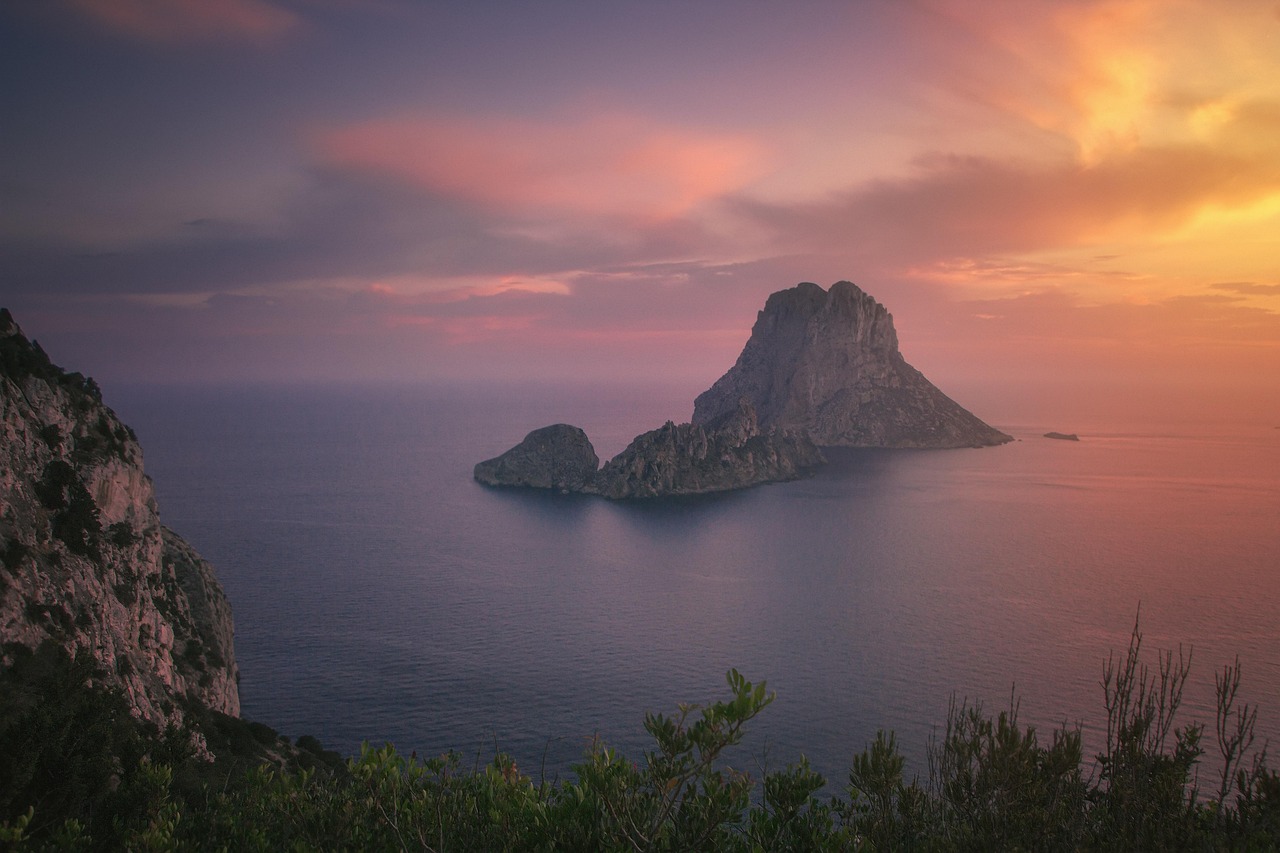
Away from town, the island is surprisingly rural. Pine-covered hills, white-washed farmhouses and almond and fig trees fill the interior, and the rocky islet of Es Vedrà rises from the sea off the south-west coast to give one of the Mediterranean's most photographed silhouettes. Santa Eulària des Riu has a gentle riverside promenade, and Sant Joan de Labritja in the north has quiet beaches. These contrasts are why the Balearic Islands are such a rewarding region, and why Ibiza appeals to far more than the clubbing crowd.
Where to Watch the Sun Go Down
Sunset is practically a local sacrament. Cala Comte on the west coast faces straight into the evening light, Benirràs in the north is known for its Sunday drumming at dusk, and the Sant Antoni sunset strip gathers music-led bars along the bay. The hippy markets at Las Dalias and Punta Arabí keep alive the bohemian spirit of the 1960s and 1970s, with handmade clothes, jewellery and live music. Nearby Ses Salines, a natural park of salt flats and dunes, shows the island's quieter, wilder side.
Food follows the sea and the land: bullit de peix, a fisherman's stew served with rice, flaó, a mint-scented cheese tart, and the local herb liqueur known as hierbas ibicencas. Boutique stays, converted fincas and beach clubs give a hotel group plenty of ways to position style and wellness alongside music. A short ferry crossing leads to Formentera, and the larger neighbour Mallorca offers a contrasting island experience for a two-island trip.
Seasons, Flights and Island Hopping
The main season runs from late spring to early autumn, with the club calendar opening in May and closing in October, but the island has an increasingly strong shoulder season of yoga retreats, walking, cycling and quiet coves. June and September are favoured by travellers who want warm sea with a calmer rhythm, while winter reveals a rural, almond-blossom Ibiza that few visitors know. Direct flights from the UK take around two and a half hours, and ferries link the island to Formentera, Palma and the Spanish mainland.
Visitors comparing Mediterranean island styles often look at Mykonos in Greece, which shares a similar blend of sunsets, style and nightlife, and at Alicante on the mainland coast for a city-and-beach alternative. Ibiza itself is compact enough to explore by hire car, scooter or taxi, and a name like YourIbiza.co.uk gives airlines, resorts and boards a single place to present its many different moods.
From Dalt Vila Boutiques to Country Fincas
Ibiza's stays divide neatly by mood. Ibiza Town and Dalt Vila suit culture seekers, with small boutique hotels in the old walls and harbour views from rooftop terraces. Talamanca and Playa d'en Bossa serve those who want easy beach access and lively nights, while Santa Eulària des Riu, with its promenade and marina, is the family favourite and a calmer base for couples. The west coast, around Sant Antoni, Cala Tarida and Cala Vadella, is built for sunset lovers and groups, with sheltered bays and relaxed beach restaurants. Many first-time visitors choose a base in the town and use the island's many beaches as day outings.
The north and south offer quieter, more luxurious choices. Sant Joan de Labritja and Portinatx have pine-fringed coves, yoga retreats and rustic-chic fincas, ideal for wellness stays and honeymoons. In the south, Cala Jondal and Salinas bring polished beach hotels and long, sandy stretches beside the salt flats, and Es Cubells, with its clifftop church, is a peaceful village hideaway. Agroturismos, restored farmhouses set among almond and fig trees, give a taste of old Ibiza with pools and organic breakfasts. A destination guides page could show each area side by side so guests can find their ideal corner of the island.
Salt, Sofrit Pagès and the Island Calendar
Ibicenco cooking is rooted in farm and sea. Sofrit pagès is a hearty country dish of lamb, chicken and sausage with potatoes and spices, usually served for special occasions, while greixonera, a bread pudding, and orelletes, fried pastries flavoured with aniseed and orange, are sweet traditions at festival time. Ses Salines flor de sal is prized by chefs, and the island's tomatoes, figs and almonds appear in market stalls from summer into autumn. Craft traditions include handmade espadrilles, adlib fashion in white linen and lace, and silver jewellery, and the markets at Es Canar and Sant Carles are lovely places to find them.
The year offers more than summer. Late winter brings almond blossom and quiet country walks, while the Medieval Fair in Dalt Vila in May fills the old town with costume and banners. Sant Joan on 23 June is celebrated with beach bonfires, and the summer fiestas of the patron saints bring Ibicenco folk dance, with its traditional costumes and drums. Autumn is a season of yoga, painting and harvest, with warm sea and clear light. The Museu d'Art Contemporani in Dalt Vila and the Puig des Molins necropolis show the island's artistic and ancient sides, and the sister islands of the Balearics have their own parallel traditions.
Es Vedrà, Formentera and Wellness Escapes
Experiences go well beyond the sunset strip. Boat trips leave Ibiza Town and Santa Eulària for the pale, shallow waters of Formentera, passing the rock of Es Vedrà and the islet of Es Vedranell on the way, and sailing and paddleboarding open up the quiet coves of the north. Divers explore the seagrass meadows and walls off Cala d'Hort and the Freus reef, and cyclists enjoy the quiet lanes inland. Walkers climb Sa Talaia, the island's highest point, or follow coastal paths to watchtowers in the south-west. Yoga and wellness retreats are a growing speciality, with spas, sound baths and detox menus on offer across the island.
Day trips add variety: the whitewashed village of Santa Gertrudis with its art galleries and cafés, the hilltop church at Sant Miquel and the cave of Es Culleram, once an ancient sanctuary. Longer links connect to Palma and mainland Spain, and the neighbouring islands of Mallorca and Menorca can be reached on short flights. Visitors who enjoy sunset islands often compare Sardinia and Croatia, but Ibiza's mix of style, nature and ancient heritage is hard to match. The wider Spain and Mediterranean guides provide further inspiration for a longer stay.
Planning your stay
Ibiza Town has a walled old town, a harbour and many restaurants, and it works as a base for visitors who want culture and nightlife. San Antonio on the west coast is the best known party resort, with sunset bars and a busy strip. Santa Eulalia and the north offer quieter beaches, while villages inland and on the east side have a relaxed, rural feel.
Beaches range from long sandy stretches to small rocky coves. Many are busy in July and August, so go early or choose less accessible bays. The island is small and a hire car or scooter makes it easy to explore, though scooters carry real injury risks for inexperienced riders.
Book popular beach clubs, boat trips and restaurant tables well ahead in high summer, and keep a little cash for small beach bars that do not take cards.
When to go
The main season runs from May to October, with the clubs at their busiest from June to September. Late May, June and September are warm and cheaper, and visitors who want quiet beaches often prefer them. Winter is very quiet and most clubs and many hotels close.
Entry rules and getting there
Ibiza follows the Spanish Schengen rules, so you need a passport issued under 10 years before arrival with three months' validity beyond your departure date, and UK visitors can stay 90 days in any 180.
The flight from London to Ibiza takes around two hours and 30 minutes.
Before you travel
Entry requirements and official travel guidance are updated regularly, so check the latest position with your government before booking. The sources we used are listed at the foot of this page.
Ibiza and its neighbours
Mallorca is the largest of the Balearic Islands and suits families and walkers, Palma is a good city break, and Benidorm, Alicante and Catalonia offer mainland alternatives. See our Spain guide for the wider picture.
For tourist boards and hotels, Ibiza has to balance a global club brand with a family and wellbeing market. YourIbiza.co.uk lets a tourist board or hotel group speak to each audience, and our OTA partnerships show how bookings follow.
Questions travellers ask about Ibiza
When is the best time to visit Ibiza?
The main season runs from May to October. Late May, June and September are warm, cheaper and quieter. Winter is very quiet and many venues close.
Do I need a visa for Ibiza?
No. UK visitors can stay up to 90 days in any 180, and the passport must be less than 10 years old and valid for at least three months after you plan to leave.
What is Ibiza best known for?
Ibiza is best known for its world-famous music scene, sunset beaches such as Cala Comte, the UNESCO-listed old town of Dalt Vila and the dramatic islet of Es Vedrà. It also has quiet villages, hippy markets and a growing wellness offer.
How long is the flight from the UK to Ibiza?
Direct flights from the UK to Ibiza take around two and a half hours, with services from many airports in the main season. Ferries also connect the island with Formentera, Palma and mainland Spain.
Where should I stay in Ibiza as a couple?
Couples enjoy boutique hotels in Dalt Vila, country fincas near Santa Gertrudis and the quiet north around Sant Joan, where coves and sunsets are close at hand. Cala Jondal and Salinas suit those who prefer a beach hotel with a polished feel.
What are the best day trips from Ibiza?
A boat trip to Formentera is the classic day out, with Es Vedrà views on the way. Santa Gertrudis, Sant Miquel and the Dalt Vila old town are easy by car, and Ses Salines makes a pleasant beach and nature outing.
In the Visit Travel Group portfolio: YourIbiza.co.uk.