Moorish Palaces and Whitewashed Hill Towns
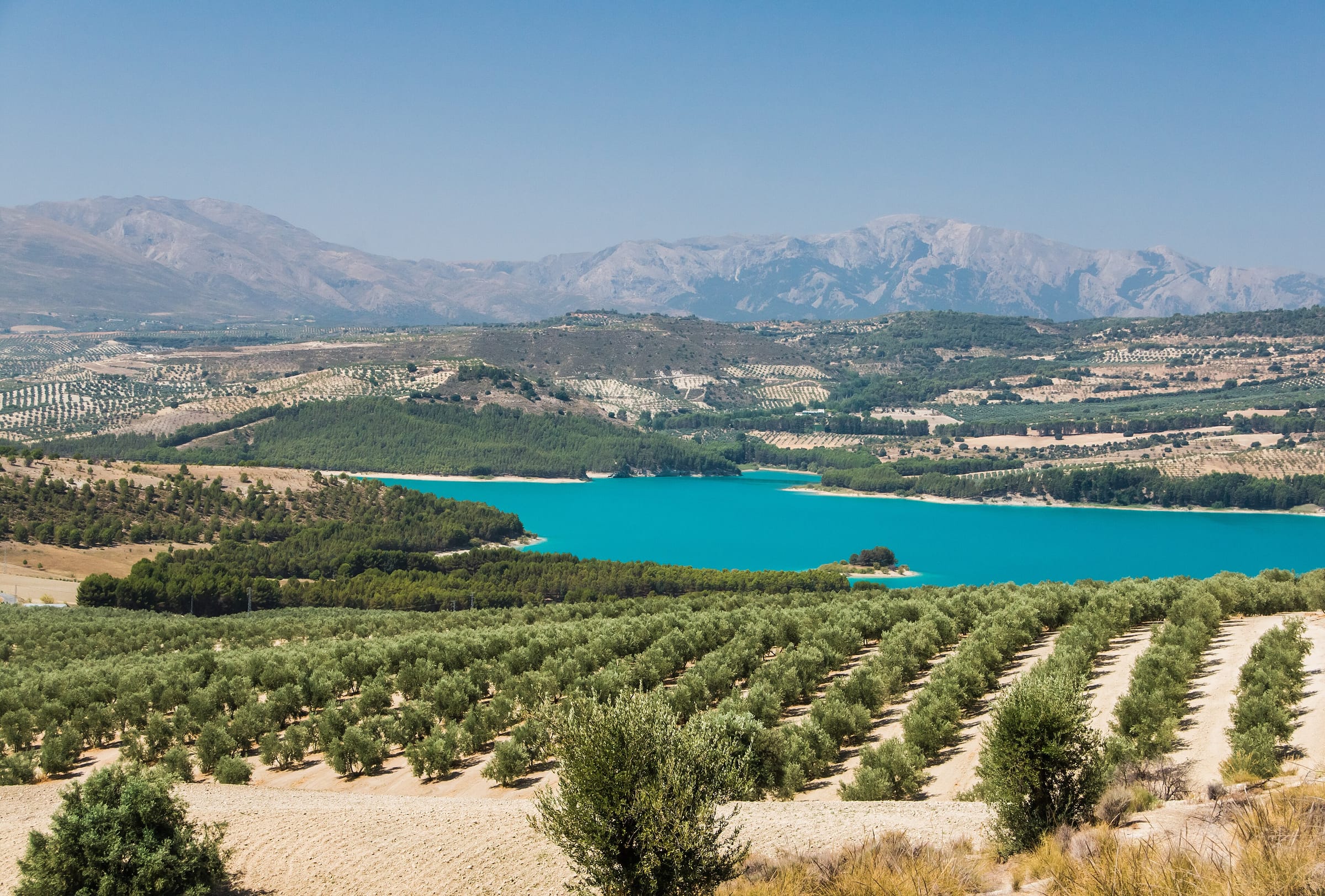
Andalusia is the largest autonomous community of southern Spain, known for its Moorish architecture, its flamenco heritage and its sunlit landscapes of olive groves, white villages and beaches. It covers eight provinces and has Seville as its capital, and its history reaches from Roman Itálica to the Islamic caliphate of Córdoba and the kingdom of Granada. The region stretches from the Atlantic Costa de la Luz to the Mediterranean Costa del Sol, with the Sierra Nevada rising above the Alhambra at its eastern end.
Three great monuments define it. The Alhambra in Granada, the Mezquita-Catedral in Córdoba and the Alcázar and cathedral of Seville are each recognised by UNESCO and each repay a long visit. Between them lie hill towns such as Ronda, perched above a gorge, and Setenil de las Bodegas, built beneath overhanging rock. Flamenco, recognised by UNESCO as intangible cultural heritage in 2010, is born of Andalusia's Romani, Moorish and Castilian influences and is best felt in a small peña or tablao.
Sherry, Jamón and the Sea Between Them
The region's table is outstanding. Gazpacho and salmorejo, jamón ibérico from the hills of Huelva, fried fish from Cádiz and Málaga, and sherry from the triangle of Jerez, Sanlúcar and El Puerto de Santa María are all part of the pleasure. Olive oil from Jaén is celebrated worldwide, and tapas culture is at its most generous in Granada, where a small plate often arrives with each round. Moorish-influenced sweets and almond cakes give the table its distinctive local flavour.
The coast gives the region a second character. The Costa del Sol, centred on Málaga and Marbella, has long been a leading beach destination, while the quieter Costa de la Luz in the west has wide Atlantic beaches and a strong surfing and kitesurfing culture around Tarifa. Inland, Doñana National Park offers wetlands, flamingos and the rare Iberian lynx. A hotel group can build a rounded offer here that combines culture, coast and cuisine in one trip.
Festivals, Seasons and Getting Around
Andalusia's festival calendar is among Spain's richest. Semana Santa in Seville and Málaga brings solemn, atmospheric processions, the Feria de Abril in Seville fills the city with flamenco costume, horses and music, and the Córdoba Patios Festival in May opens private courtyards full of flowers. The Rocío pilgrimage, held near Huelva at Pentecost, is one of Spain's largest religious gatherings. Spring and autumn are the best seasons for cities, while summer favours the coasts.
Seville, Málaga, Granada, Jerez and Almería have airports with regular UK services, and the AVE high-speed train links Seville, Córdoba and Málaga with Madrid. VisitAndalucia.co.uk gives airlines and hotels a single home for that connectivity. Beyond the region, Portugal's Algarve lies a short drive from Huelva across the Guadiana, and the wider Spain guide takes you on to Catalonia, the islands and the north.
Palace Hotels, Cortijos and Seaside Retreats
Andalusia offers a distinctive stay in each of its landscapes. Seville's Santa Cruz quarter and Granada's Albaicín suit culture seekers, with courtyard hotels set in old townhouses, rooftop terraces and views of the cathedral or the Alhambra. Córdoba's Judería offers patio hotels beside the Mezquita, and Jerez de la Frontera appeals to those who love horses, sherry houses and flamenco. On the coast, Marbella and Málaga offer beach resorts and city hotels, while Tarifa and Cádiz bring a more relaxed Atlantic mood. The Sierra Nevada and the Alpujarras suit walkers and winter sports fans.
Styles of stay range from palace hotels in restored mansions and boutique riad-style houses to cortijos, the traditional farmhouses of the countryside, and haciendas among olive groves and bull-breeding estates. Golf resorts, villa complexes and spa hotels line the Costa del Sol, and white-village inns in Ronda and Arcos de la Frontera give a quieter pace. Villas suit larger groups, and many properties offer cooking classes and horse-riding. An tourist board could present these stays as routes, and Málaga and Marbella are natural beach bases for guests wanting the sea between heritage days.
Pedro Ximénez, Pestiños and Andalusian Nights
Andalusian cooking has a long list of specialities beyond the familiar. Pringá, a slow-cooked meat spread served in a bread roll, tortillitas de camarones, thin crisp shrimp fritters from Cádiz, and berenjenas con miel, fried aubergine drizzled with cane honey, are classics of the tapas bar. Pedro Ximénez, a dark, sweet wine poured over ice cream, is a heritage speciality of Montilla and Jerez, and pestiños, honey-glazed fritters, are a seasonal sweet. Churros with chocolate are the traditional breakfast, and orange trees line the streets of Seville with fruit and blossom.
The cultural calendar brings the region alive. The Festival de Jerez, in late winter, is devoted to flamenco, Cádiz Carnival fills the streets with satirical songs, and the Feria del Caballo in Jerez shows off Andalusian horses and costume. The Granada International Festival of Music and Dance, held in summer, uses the Alhambra's palaces and gardens as a stage, and the Seville Flamenco Biennial takes place every two years. Local crafts include ceramics from Triana and Úbeda, leatherwork from Córdoba, and guitar-making in Granada, so every town offers something to take home as a souvenir.
Horses, Caminitos and Day Trips Across the Strait
Andalusia is a land of active pleasures. The Royal Andalusian School of Equestrian Art in Jerez presents dancing horses in a grand riding hall, and the Sierra Nevada offers skiing in winter and walking in the Alpujarras villages in spring. The Cabo de Gata natural park has volcanic coves and quiet beaches, Tarifa draws kitesurfers, and the Caminito del Rey, a walkway clinging to a gorge near El Chorro, gives a dramatic hour above the river. Golf, cycling and birdwatching add variety, and the Strait of Gibraltar is a good place for dolphin and whale watching trips.
Day trips are easy. Ferries from Tarifa cross to Tangier in Morocco in about an hour, and Seville, Granada and Córdoba are linked by rail and road. Ronda's gorge and bullring, Jerez's sherry houses and Cádiz's old town are all excellent single-day outings, while the Atlantic beaches of Huelva offer a longer stay. To the west, the Portuguese Algarve is a short drive, and a stay can easily be built around three bases: a city, a hill village and the sea, giving a rounded picture of the region.
Planning your stay
Andalusia is made up of eight provinces: Almería, Cádiz, Córdoba, Granada, Huelva, Jaén, Málaga and Seville. It covers the Mediterranean Costa del Sol, the Atlantic Costa de la Luz, the cities of Seville and Granada, and a large inland area of olive groves and white villages. Most UK visitors fly into Málaga, which serves the Costa del Sol and is the easiest gateway for the whole region, although Seville and several other cities have their own airports.
Resort stays centre on Marbella and the coast around it, while cultural trips lean on Seville, Granada and Córdoba. In the far west, Huelva and Isla Canela offer quieter Atlantic beaches. Distances matter: a coastal base with a day trip inland can mean several hours on the road, so plan the route before you book.
When to go
Spring and autumn are the most comfortable seasons for cities, walking and golf, and the Costa del Sol stays mild through the winter. July and August are very hot, particularly inland, so plan sightseeing for early morning or evening and book accommodation with air conditioning.
Entry rules and the border
Andalusia follows Spanish Schengen rules. UK visitors can stay up to 90 days in any 180-day period, and time spent in other Schengen countries counts towards the same limit.
The Entry/Exit System may require fingerprints and a photo on your first visit, which can add time at the airport, so allow extra time on arrival and departure. British Airways gives the flight time from London to Málaga as 2 hours 45 minutes.
Mountains, beaches and the outdoors
Temperatures in some parts of Spain can change very quickly, so check local weather reports before a hike.
On the coast, many beaches use a flag system and a red flag means you must not enter the water. Follow local guidance if jellyfish are present.
Before you travel
Entry requirements and official travel guidance are updated regularly, so check the latest position with your government before booking. The sources we used are listed at the foot of this page.
Across the border and across the industry
The western edge of Andalusia meets the Algarve in Portugal, and many visitors combine the two coasts. For the wider country, see our Spain guide.
Andalusia competes as a golf, beach, culture and city destination all at once, which makes consistent information valuable. VisitAndalucia.co.uk gives a tourist board, hotel group or airline one place to keep current answers about Spain's southern region, and our AI platform passes them on to searchers and assistants.
Questions travellers ask about Andalusia
Which airport should I use for Andalusia?
Málaga is the main gateway for the Costa del Sol and the easiest for the whole region. Seville and other cities also have airports, so choose the one closest to your base.
What is the best time to visit Andalusia?
Spring and autumn are the most comfortable for cities, walking and golf. July and August are very hot, especially inland, and the coast stays mild in winter.
Do UK citizens need a visa for Andalusia?
No visa is needed for up to 90 days in any 180-day period. Whether you land at Málaga or Seville, your passport must be under 10 years old on the day you arrive and still valid three months beyond your planned departure from the Schengen area.
What is Andalusia best known for?
Andalusia is best known for the Alhambra in Granada, the Mezquita in Córdoba, Seville's cathedral and Alcázar, flamenco, white villages and the Costa del Sol. Its sherry, jamón ibérico and tapas culture are also a major draw.
When is the best time to visit Andalusia?
Spring, from March to May, is ideal for city visits and festivals such as Semana Santa and the Feria de Abril, and autumn is also pleasant. Summer suits the beaches of the Costa del Sol and Costa de la Luz, and winter is mild by the coast.
Where should couples stay in Andalusia?
Couples love courtyard hotels in Seville's Santa Cruz, Granada's Albaicín views, Córdoba's Judería patios and white-village retreats such as Ronda. For beaches and spa time, boutique hotels on the Costa del Sol or in Tarifa work well.
What are the best day trips from Andalusia?
Ronda's gorge, Jerez's sherry houses and horse school, Cádiz's old town, the Caminito del Rey and a ferry from Tarifa to Tangier in Morocco are all rewarding single-day outings.
In the Visit Travel Group portfolio: VisitAndalucia.co.uk, VisitAndalusia.co.uk.