Seven Islands of Spring-Like Sunshine
The Canary Islands are a Spanish archipelago in the Atlantic Ocean, off the north-west coast of Africa, made up of seven main islands: Tenerife, Gran Canaria, Lanzarote, Fuerteventura, La Palma, La Gomera and El Hierro. Known for a mild climate through the year, volcanic scenery, golden and black beaches and clear night skies, the islands are one of Europe's best-loved sun destinations. Their mild, spring-like conditions make them a natural choice for winter sun, while summers are tempered by Atlantic trade winds, giving visitors a long and varied season.
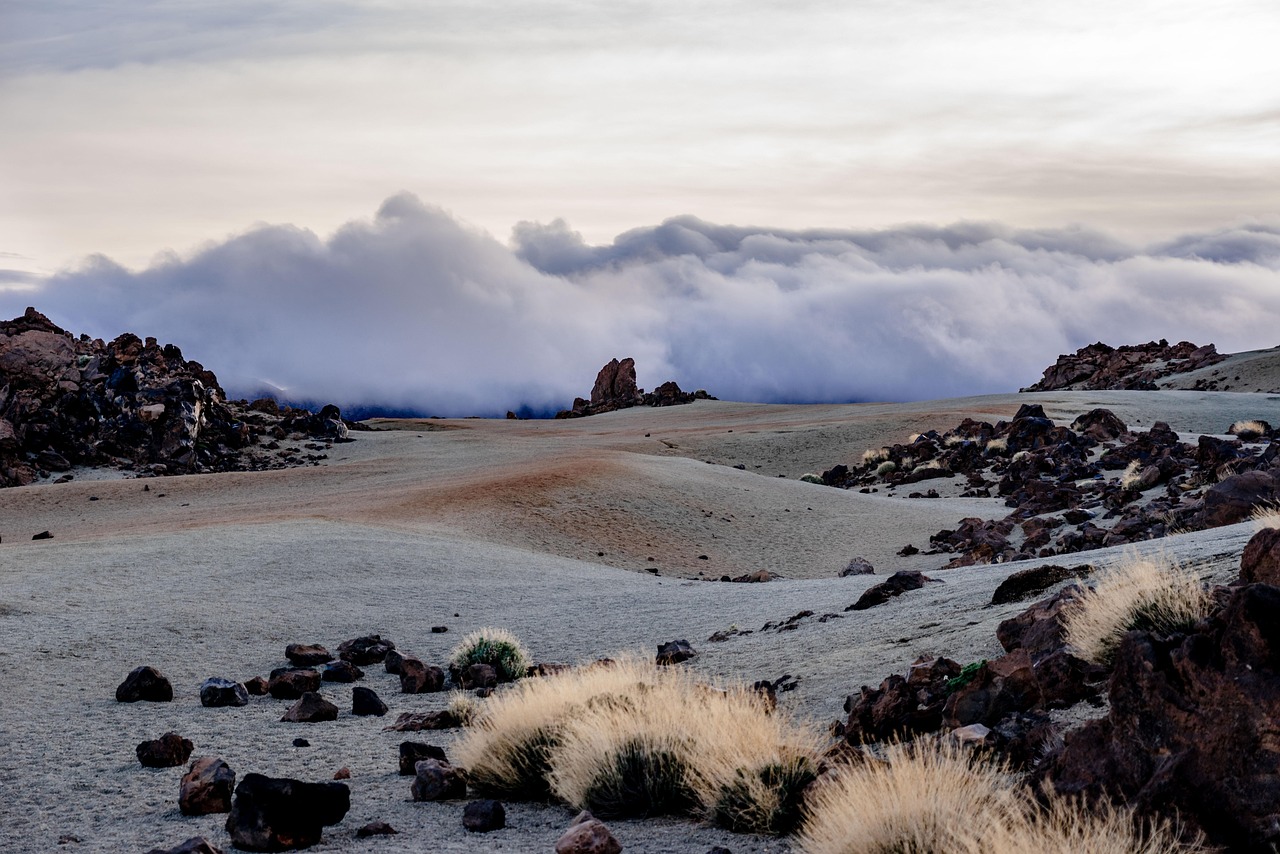
Each island has its own personality. Tenerife, the largest, is crowned by Mount Teide, which at 3,715 metres is Spain's highest peak and sits within a UNESCO-listed national park. Gran Canaria is a continent in miniature, with the Maspalomas dunes and green mountain villages. Lanzarote's lava fields at Timanfaya and the works of the artist César Manrique give it a lunar, designed beauty, while Fuerteventura is a surfer's and walker's island of vast white beaches. The wider Spain guide places the archipelago within a larger Iberian story.
Dunes, Stars and Carnival Colour
Experiences are strikingly diverse. Teide's cable car and clear air make the national park a landmark day out and a world-class place for stargazing, and La Palma's Roque de los Muchachos hosts major observatories. La Gomera's Garajonay National Park, a UNESCO site since 1986, is a mist-draped laurel forest of walking trails. Whale and dolphin watching is a year-round offer off the south-west of Tenerife, and snorkelling, kitesurfing and golf broaden the choice for active guests, with Costa Adeje a leading resort base.
Culture and food add warmth. Carnival in Santa Cruz de Tenerife and Las Palmas de Gran Canaria is among the largest in the Spanish-speaking world, and the islands' cuisine centres on papas arrugadas, wrinkled salted potatoes with red and green mojo sauces, fresh fish, goat's cheese and gofio, a toasted-grain flour. Island bananas and Malvasía wines complete the table. A tourist board has a rich palette here, and the nearby Atlantic neighbour Madeira offers a similar year-round appeal.
Year-Round Planning and Flight Times
Because the climate stays so gentle, there is no wrong month to visit, and each season has its draw: winter for sun and walking, spring for flowers and festivals, summer for beaches and surf, autumn for warm sea and fewer crowds. Direct flights from the UK to the main islands take around four to four and a half hours, with Tenerife, Gran Canaria, Lanzarote and Fuerteventura best served, and ferries and short flights link the islands to each other.
Many visitors choose a single island for a relaxed stay, while others combine two, such as Tenerife with La Gomera by ferry or Gran Canaria with Fuerteventura. Alternatives in the wider Atlantic and Mediterranean include the Algarve and Mallorca, but the Canaries stand out for their reliable winter warmth. A name like TheCanaryIslands.co.uk gives hotels, boards and airlines one place to present this island chain, with a separate chapter for each island.
Finding the Right Island for Your Stay
Each island suits a different kind of guest. Tenerife's south coast, around Costa Adeje, Los Cristianos and Playa de las Américas, has the resort comfort and calm beaches, while the north, with Puerto de la Cruz, La Laguna and Garachico, offers heritage hotels, banana terraces and a greener climate. Gran Canaria divides between the Maspalomas and Playa del Inglés resorts beside the dunes, the harbour village of Puerto de Mogán, often called little Venice, and the cultural city of Las Palmas, whose Las Canteras beach runs along the town. Families and first-timers usually choose the south of Tenerife or Gran Canaria for reliable sand and easy transfers.
Lanzarote suits design lovers and couples, with whitewashed villas around Playa Blanca, Puerto del Carmen and Costa Teguise. Fuerteventura is for beach purists, surfers and kiteboarders, with Corralejo's dunes in the north and the long white sands of Jandía and Costa Calma in the south. La Palma, La Gomera and El Hierro appeal to walkers, stargazers and divers who want rural guesthouses, a parador overlooking the sea and a slower rhythm. Boutique and finca stays are growing everywhere, and an AI platform could help guests choose between islands by season, activity and travelling party.
Barraquito Coffee, Timples and Flower-Carpet Festivals
Canarian cooking offers surprises beyond papas arrugadas. Ropa vieja, a shredded chickpea and meat stew, sancocho, a salted fish dish with sweet potato, queso asado, grilled goat's cheese with mojo, and conejo en salmorejo, rabbit in a garlic marinade, appear on family menus. Barraquito, a layered coffee with condensed milk, cinnamon and lemon zest, is Tenerife's signature café order, and bienmesabe, an almond cream dessert, closes many a meal. In Lanzarote, the La Geria vineyards grow vines in individual pits of black volcanic ash, a sight that has become a symbol of the island.
The cultural calendar is rich in colour. The timple, a small Canarian guitar, and the isas and folías folk songs accompany village fiestas, and wrestling, lucha canaria, is a living sport in many towns. In June, the streets of La Orotava on Tenerife are covered with elaborate carpets of flowers and volcanic sand for the Corpus Christi festival, and Los Indianos in Santa Cruz de La Palma turns the streets white on Carnival Monday. Gran Canaria's music festival fills January and February with concerts, and 30 May celebrates Canary Islands Day. Together with Madeira, the archipelago shows how rich Atlantic island culture can be.
Hiking, Stargazing and Island-Hopping Itineraries
The islands are made for active holidays. La Palma's Caldera de Taburiente and the Anaga forest in northern Tenerife give some of Europe's most dramatic walking, and Gran Canaria's Roque Nublo is a famous rocky landmark reached on a short trail. Fuerteventura's Sotavento beach and Corralejo are renowned for wind sports, divers head for El Hierro's La Restinga reserve and Tenerife's Los Gigantes, and cyclists train on Gran Canaria's mountain roads in winter. The Starlight-certified skies of La Palma and Teide make evening tours rewarding, and wellness hotels and thalassotherapy spas add relaxation.
Island hopping is straightforward, thanks to ferries and short inter-island flights. A week might begin in Tenerife, continue by ferry to La Gomera for the Garajonay forest, and return for a final beach stay. From Lanzarote, a small boat leads to La Graciosa, with its sand streets and empty beaches, while from Fuerteventura the islet of Lobos is a short crossing. Across the water, Morocco lies close to the archipelago, and the mainland Spain guide shows how the Canaries sit alongside Benidorm, Mallorca and other sun destinations for those planning a longer season.
Planning your stay
Tenerife is the largest and most visited, with big resorts in the south around Costa Adeje, a mountain at its heart and a lush north. Gran Canaria has long beaches, dunes and a lively capital, and Lanzarote and Fuerteventura offer volcanic landscapes and wide, windy beaches. La Palma, La Gomera and El Hierro are quieter, greener and better for walking.
Each island has its own climate, so match the island to the season. The south coasts are the sunniest and driest, while the north can be cloudy and fresher, and winds are common on the flatter eastern islands.
When to go
The islands are mild all year, which is why they dominate UK winter sun. Winter days are warm, though evenings can be cool, and the sea is cooler than in summer. Summer is hot, particularly inland, and school holidays are the peak for families.
Entry rules
The Canary Islands follow the Spanish rules, even though they sit off the coast of Africa: your passport needs an issue date under 10 years before arrival and three months' validity after you depart, and UK visitors get 90 days in any 180.
You cannot take meat, milk or products containing them into EU countries, with limited exceptions for baby milk and medical foods.
Altitude, hiking and the sea
Check local weather reports and carry water, warm layers and a charged phone.
The sun is strong all year, so use sun protection.
Allow for the wind and the trade-wind cloud when planning beach days, and check the forecast for the specific coast you are staying on, because the south and north of the same island can feel like different climates. Inter-island ferries and short flights make it easy to add a second island to a longer stay.
Before you travel
Entry requirements and official travel guidance are updated regularly, so check the latest position with your government before booking. The sources we used are listed at the foot of this page.
The Canaries and the wider region
Madeira is the main alternative in the Atlantic, with a similar climate and flying time, and the mainland is covered in our Spain guide. If you want a more luxurious, beach-led winter break, compare Costa Adeje with Atlantic and Caribbean options in our destination guides.
For the industry, the Canaries compete on weather, price and flight frequency. TheCanaryIslands.co.uk lets a tourist board, hotel group or online travel agency publish the clearest answers, and our AI platform shows how they reach searchers.
Questions travellers ask about The Canary Islands
When is the best time to visit the Canary Islands?
They are mild all year, and winter is the main season for UK visitors because it is warm and sunny. Summer is hot, especially inland, and school holidays are the peak for families.
Do I need a visa for the Canary Islands?
No. British tourists can stay 90 days in any 180 on Tenerife, Lanzarote or any other island, but the passport must be under 10 years old and have three months left after you fly home.
How long is the flight to the Canary Islands?
Roughly four and a half hours from London, with flights to all the main islands.
What are the Canary Islands best known for?
The Canary Islands are best known for year-round mild weather, volcanic landscapes, beaches, Mount Teide, the Maspalomas dunes, Lanzarote's Timanfaya landscape and lively Carnivals. They are a leading European winter-sun destination.
How long is the flight from the UK to the Canary Islands?
Direct flights from the UK to Tenerife, Gran Canaria, Lanzarote and Fuerteventura take around four to four and a half hours. Smaller islands are reached by ferry or short inter-island flights from the main hubs.
Which Canary Island is best for a first visit?
Tenerife and Gran Canaria are the usual first choices, with reliable beaches, varied scenery, wide hotel choice and frequent flights. Lanzarote suits design lovers, Fuerteventura beach and wind sports fans, and La Palma walkers and stargazers.
What are the best things to do in the Canaries in winter?
Winter suits hiking in Tenerife's Anaga forest and La Palma's caldera, stargazing at Teide, whale watching, golf and relaxed beach days. Carnival season in February adds parades and music across the main islands.
In the Visit Travel Group portfolio: TheCanaryIslands.co.uk, TheCanaryIslands.uk.