Atlantic Beaches and the Wild Edge of Doñana
Huelva is a province and city in the far south-west of Spain, on the Atlantic Costa de la Luz in Andalusia, known for its long beaches, for Doñana National Park and for its links to Christopher Columbus. The coast runs for more than a hundred kilometres of broad, pale sand, from Isla Cristina and Punta Umbría to Mazagón and Matalascañas, backed by pine woods and dunes. The Atlantic gives these beaches a different character from the Mediterranean resorts of the Costa del Sol, with wider horizons, bigger skies and a more relaxed, family-friendly feel.
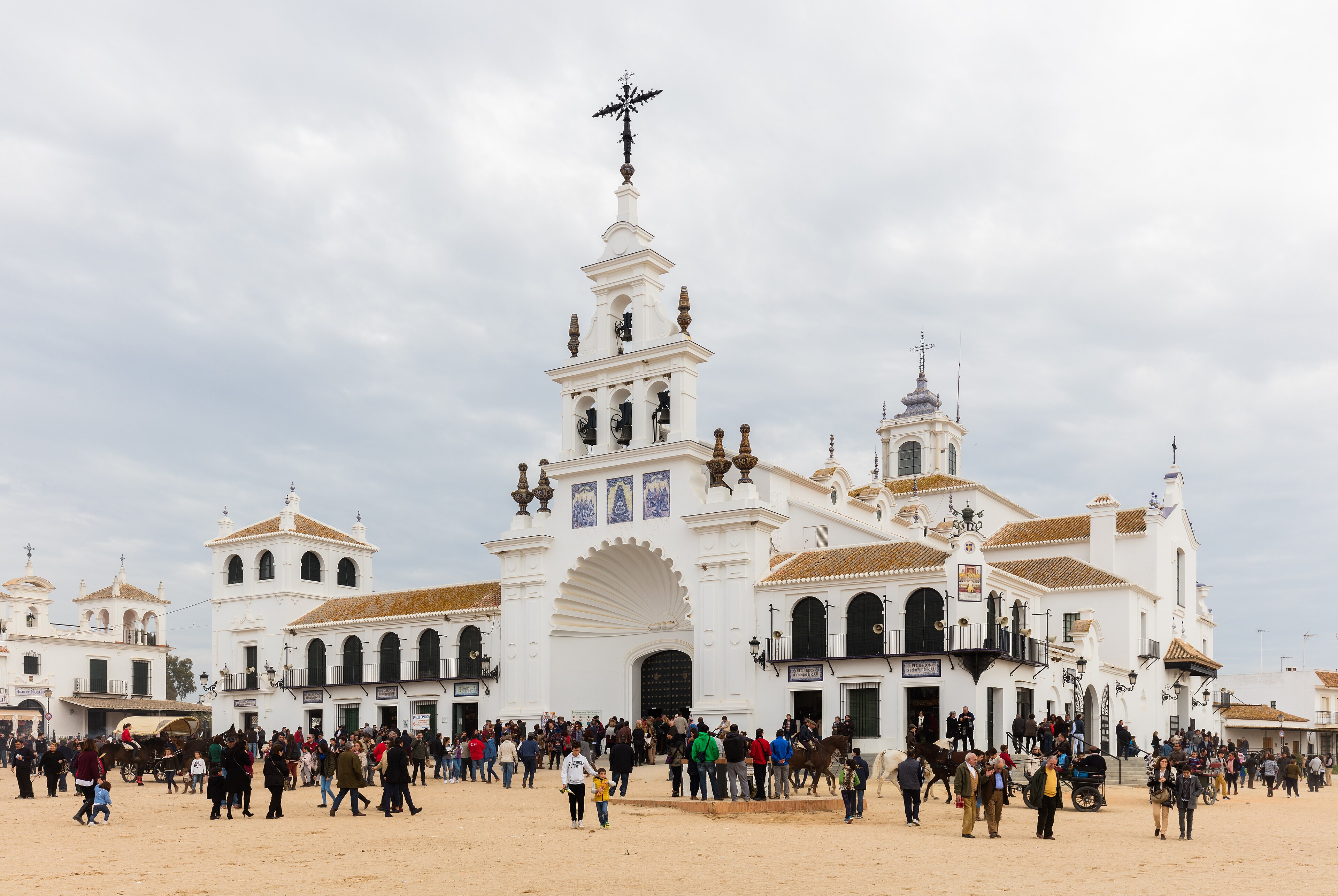
Doñana National Park, a UNESCO World Heritage Site since 1994, is one of the great wetlands of Europe, a mosaic of marshes, dunes and pine forest that shelters flamingos, spoonbills, imperial eagles and the rare Iberian lynx. Walks and guided jeep tours reveal the landscape. At the northern edge, the village of El Rocío, with its sandy streets and white hermitage, draws a famous Pentecost gathering. At the eastern end of the coast, Isla Canela offers a quieter beach base near the Portuguese frontier.
Columbus, Jabugo Ham and Seafood from the Atlantic
Huelva holds a central place in the story of the Age of Discovery. The monastery of La Rábida and the town of Palos de la Frontera were closely tied to Columbus's 1492 voyage, and the Muelle de las Carabelas, a replica harbour with reconstructions of the three ships, tells the story. The city of Huelva itself celebrates this heritage each August in the Fiestas Colombinas, with music, fairs and open-air events along the river.
The table is a draw. The prawns of Huelva, white langostinos, grilled or boiled, are a local pride, and fresh Atlantic fish, cuttlefish and tuna are everywhere. Inland, the Sierra de Aracena and the village of Jabugo are celebrated for jamón ibérico from acorn-fed pigs, and local strawberries have made the province a leading grower. A tourist board can combine beaches, nature and gastronomy in a single compelling story, and neighbours such as Córdoba and the wider Andalusia guide offer rich cultural extensions.
Mild Seasons and the Road to Portugal
Huelva enjoys a sunny climate, with warm summers and mild winters, and the beach season runs from late spring through to autumn. Spring brings wildflowers to Doñana and the Rocío gatherings, while autumn offers quiet beaches and gentle light, ideal for walking and birdwatching. The coast is largely low-rise and relaxed, with beachfront restaurants serving fresh fish at easy, unhurried lunches.
Seville airport is the main gateway, around an hour and a half by road, and Faro in Portugal is within easy reach across the Guadiana river, with direct flights from many UK airports. VisitHuelva.co.uk gives airlines and hotels a single home for these routes. Travellers can continue westwards along the Algarve, or take the wider Spain guide to explore the rest of the country.
Beach Resorts, Pine Woods and Sierra Farmhouses
Huelva's coast and hills offer very different bases. Punta Umbría and El Rompido are relaxed seaside towns with long beaches and fish restaurants, Islantilla and Isla Cristina suit families with resort hotels and low-rise apartments, and Mazagón sits beside pine-backed beaches close to Doñana. Matalascañas is the gateway to the national park, with direct beach access and lively summer evenings. Huelva city offers urban stays near the Columbus sites, and Moguer is a whitewashed town of quiet charm. In the north, Aracena in the Sierra offers mountain air, chestnut woods and a cool escape.
Styles of stay include beachfront hotels with pools, golf resorts, villas and apartments for families, rural farmhouses and casas rurales in the sierra, and small hotels in Aracena's historic centre. Birdwatchers choose lodges close to Doñana, while cyclists favour bike-friendly guesthouses on the Vía Verde. Golfers have courses near Isla Canela, El Rompido and Islantilla. A hotel group with a coastal property can pair golf and beach days easily, and Isla Canela offers a quieter shoreline close to the Portuguese side.
Mojama, Gurumelos and a Poet's Whitewashed Town
Huelva's table has distinctive local dishes. Mojama, wind-dried salted tuna from Isla Cristina, is sliced thin and served with almonds, while choco, cuttlefish, coquinas, small clams, and tortillitas de camarones appear at every beach restaurant. In spring, gurumelos, wild mushrooms of the sierra, are a seasonal treat, and the white wines of the Condado de Huelva, from the local Zalema grape, belong to the region's culinary heritage. Strawberries, oranges and local honey are sold at village stalls, and the markets of Huelva and Aracena offer cheese and cured ham.
Culture adds interest. Moguer was the home of the Nobel poet Juan Ramón Jiménez, whose story of the donkey Platero is loved across Spain, and the Casa Museo in the town tells his story. The Minas de Riotinto mining park, with its red river and vintage railway, is a striking landscape, and the Gruta de las Maravillas in Aracena is a cave of lakes and rock formations. The Carnival of Isla Cristina in February, the Cruces de Mayo in spring and the Ibero-American Film Festival in November enliven the calendar, alongside the Rocío pilgrimage and the Fiestas Colombinas.
Birdwatching, Río Tinto and the Algarve Next Door
Huelva's active offer is wonderfully varied. The Odiel Marshes near Huelva city are rich in flamingos and spoonbills, and the El Rompido lighthouse and the sandy paths of Los Enebrales are lovely for walking and cycling. Doñana's guided trails reveal wildlife in spring and autumn, kayaking and paddleboarding are easy along the estuaries, and the Sierra de Aracena has hiking among cork and chestnut woods. Golf, sailing and kitesurfing are available along the coast, and the Vía Verde, a former railway, makes a gentle cycling route. Families can combine beach days with visits to the caravel replicas and the park.
Day trips are easy. Seville is about an hour and a half away, Jerez and Cádiz are reachable by road, and Faro and Tavira lie just across the Guadiana in the Algarve. Aracena and Jabugo are a rewarding excursion for cured ham and cave visits. A longer trip can add Córdoba, Málaga or the wider Andalusia and Spain guides. A stay can be built around three days on the beach, a day in Doñana and a day in the hills, giving a full, rounded view of this quiet corner of southern Spain.
Planning your stay
Huelva's coast, part of the Costa de la Luz, has wide, sandy Atlantic beaches with dunes and pine woods behind them, and is far less built up than the Mediterranean resorts to the east. Inland, the Sierra de Aracena has chestnut and oak woodland, small villages and a long tradition of cured ham, while the Río Tinto area has a distinctive mining landscape.
Part of the Doñana National Park lies in the province, and it is an important wetland for birds. Access to protected areas is controlled, so book guided visits in advance and follow the park's rules. Huelva belongs to the wider Andalusia region, and Isla Canela sits on the western edge of the coast, next to the Portuguese border.
When to go
Late spring and early autumn are warm and quieter than midsummer, and are good for walking, birdwatching and golf. July and August are busy with Spanish families on the beaches. Winter is mild on the coast but wetter, and the hills can be cool.
Getting there
The province has no major airport of its own, so most UK visitors fly to Seville or to Faro in the Algarve and continue by road. Faro is often the closest airport for the western beaches, and the neighbouring Algarve is easy to combine with a stay in Huelva. A hire car is the simplest way to reach beaches, villages and parks.
Remember that Portugal is on UK time while mainland Spain is one hour ahead, which affects ferry and restaurant timings if you cross the border.
Entry rules and the border
Huelva falls under Spanish Schengen rules, and a trip that starts at Faro or Seville is checked against the same limits. A passport under 10 years old on arrival, with three months left after you plan to leave the Schengen area, allows a stay of up to 90 days in any 180. Days spent in Portugal and Spain are counted together.
At Seville or Faro you may be asked for a return or onward ticket and proof that you have enough money for your stay. The Entry/Exit System may take fingerprints and a photo on your first visit, which can add time at the airport.
Before you travel
Entry requirements and official travel guidance are updated regularly, so check the latest position with your government before booking. The sources we used are listed at the foot of this page.
Why Huelva matters to the industry
Huelva is an under-marketed coast with a strong nature and golf offer, so clear information can win visitors who would otherwise choose the Costa del Sol. VisitHuelva.co.uk lets a tourist board or hotel group publish verified guidance, and our AI platform carries it to searchers.
A practical point for planners: visitors to Huelva often combine a beach base with a wetland visit, a day in the hills and a trip across the border, so questions about distances, guided access and car hire arise early. Pages that answer them clearly also connect the province with Málaga and the rest of our Spain guide, and our destination guides show how other regions use the same approach.
Questions travellers ask about Huelva
Which airport is best for Huelva?
Most UK visitors fly to Seville or to Faro in the Algarve and continue by road. Faro is often the closest to the western beaches.
What is Doñana National Park?
It is a large wetland reserve in Andalusia, partly in Huelva province, important for birds. Access is controlled, so book guided visits and follow the park rules.
Do I need a visa for Huelva?
Huelva visitors need no visa for stays of up to 90 days in any 180. Bring a passport under 10 years old with three months of validity left after you plan to leave the Schengen area, whether you arrive via Seville or Faro.
What is Huelva best known for?
Huelva is best known for its long Atlantic beaches on the Costa de la Luz, Doñana National Park, its connection with Columbus's 1492 voyage, white langostinos and the jamón ibérico of the Sierra de Aracena and Jabugo.
How do I get to Huelva from the UK?
Fly to Seville, about an hour and a half from the coast by road, or to Faro in Portugal, which is also within easy reach across the Guadiana river. Direct flights run from many UK airports to both.
Where should families stay in Huelva?
Islantilla, Isla Cristina, Punta Umbría and Mazagón suit families, with broad beaches, low-rise resorts and fish restaurants. Matalascañas is handy for Doñana, and Isla Canela offers a quieter setting near the Portuguese side.
What is there to do on a day away from the beach in Huelva?
Visit the Doñana wetlands, the Columbus sites at La Rábida and Palos, the Riotinto mining park, the Gruta de las Maravillas in Aracena or the poet's town of Moguer. Seville and the Algarve are also easy day trips.
In the Visit Travel Group portfolio: VisitHuelva.co.uk.