A Gothic Cathedral Above the Bay
Palma, also called Palma de Mallorca, is the capital of the Balearic Islands, a Mediterranean port city on the south-west coast of Mallorca known for its monumental cathedral, old town, marina and café culture. La Seu, begun in 1229 and rising directly above the seafront, is among the great Gothic cathedrals of Europe, with a vast rose window, an interior shaped by Antoni Gaudí's early twentieth-century work and a chapel decorated by Miquel Barceló. Nearby, the Almudaina Palace and the Gothic merchants' exchange, Sa Llotja, add layers of royal and mercantile history.
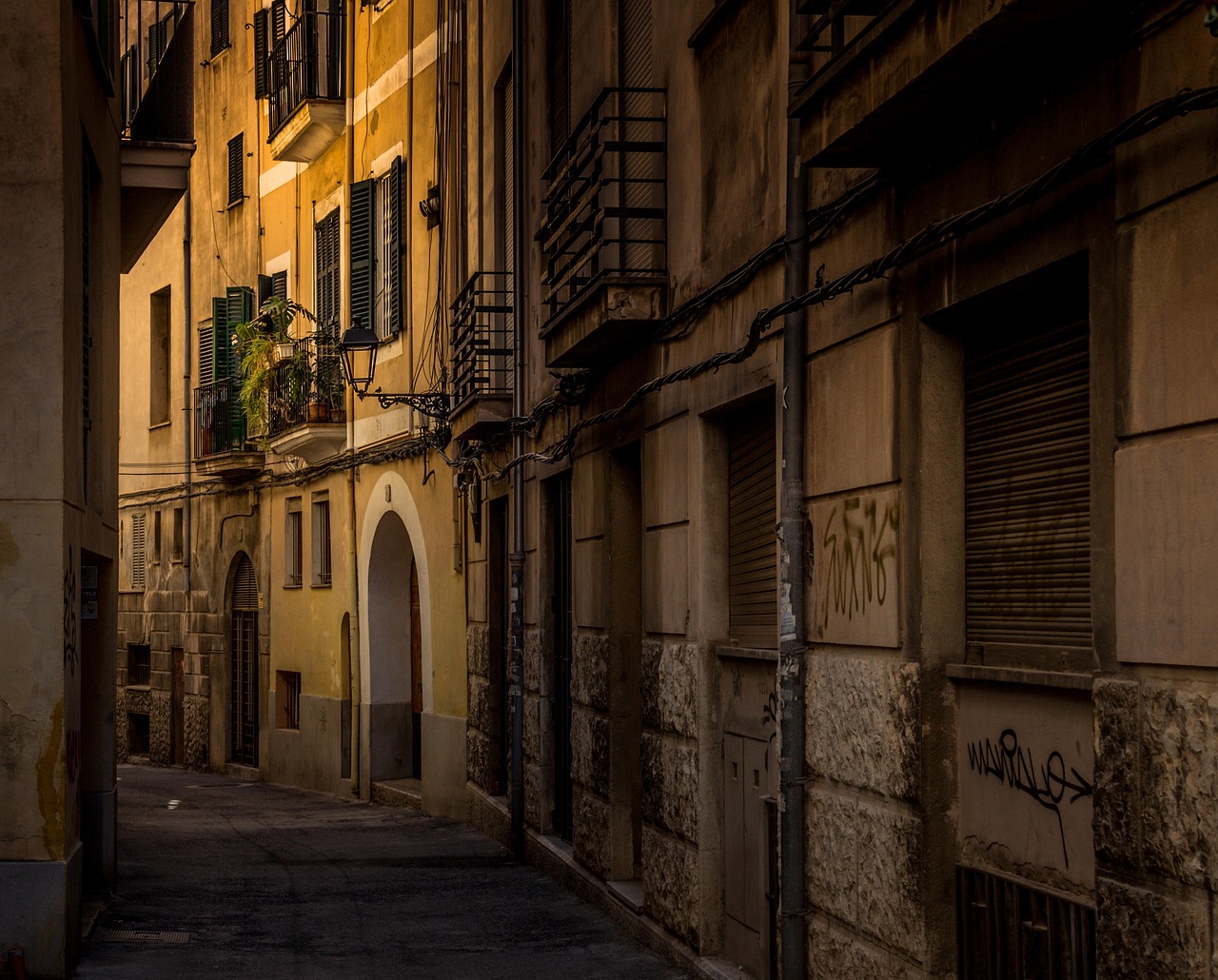
The old town rewards slow walking: sand-coloured courtyards, narrow lanes, the Arab Baths and the Passeig des Born, a tree-lined boulevard. Above the harbour, round Bellver Castle, a fourteenth-century fortress with a circular courtyard, gives a clear view over the bay. The city is also a major yachting hub and hosts the Palma International Boat Show each spring, which makes it an ideal subject for a tourist board or marina partner wanting to show a living, working waterfront.
Tapas, Galleries and Neighbourhood Life
Neighbourhoods give Palma its modern energy. Santa Catalina, with its covered market and fish counters, is the foodie quarter, full of small restaurants serving local produce. Portixol, a former fishing district east of the centre, offers a seaside promenade and relaxed bars, while La Lonja is the lively evening district around the old exchange. For art, Es Baluard and the Fundació Pilar i Joan Miró reveal the island's strong link with twentieth-century artists, and the Nit de l'Art in September opens galleries after dark.
Food is part of the identity: a coffee with ensaimada pastry, sobrassada on toast, grilled fish from the bay and Mallorcan almond sweets. Winter has its own appeal, with the Sant Sebastià festival in January bringing fire and music to the streets. Palma is also the natural gateway to the wider island of Mallorca, and its airport links the city directly to the wider Balearic Islands, so a city stay can easily lead to a beach or mountain escape.
Easy Breaks in Every Season
Palma works in every season, which is part of its appeal for airlines and hoteliers. Spring and autumn offer ideal city-walking weather, summer brings long evenings and sea access in the city itself, and winter remains mild and bright. Direct flights from the UK take around two and a half hours, the airport is close to the centre and a short taxi ride reaches the old town, so a long weekend is realistic. Many boutique hotels occupy restored townhouses in the old quarter, giving guests a stay with real architectural character.
Beyond the city, the Tramuntana villages, the Santanyí coast and the Sóller valley lie within a day's reach by road or by the historic train. Mediterranean cities such as Malaga and Venice offer comparable city-and-sea breaks, but Palma adds an island hinterland. An airline could show this combination of city and sea in a single campaign, and a name such as VisitPalma.co.uk makes the story easy to find.
Palma's Neighbourhoods and Where to Stay
The old quarter is the natural heart of a Palma stay, with restored townhouses and palace-style hotels around La Seu, the Born and the lanes behind the cathedral. Santa Catalina is the creative neighbourhood, where small hotels sit beside markets, galleries and café terraces. Portixol, east of the centre, is a quiet seaside district with a long promenade, while El Terreno, in the west, has bohemian bars and an artistic past. The Paseo Marítimo, the long seafront boulevard, offers larger, sea-facing hotels with pools, and many guests choose them for easy walks along the marina to the cathedral.
Further along the coast, Illetas, Cala Major and Portals Nous give resort-style stays within a short taxi ride, with beach clubs, yachts and cool Mediterranean light. Couples gravitate to the old town for romance, families to the Paseo Marítimo or Illetas for beach access, and culture seekers to townhouse hotels in the Call, the former Jewish quarter. Luxury travellers will find private-feeling retreats on the hills outside the city. Because everything sits within a compact area, a Palma stay can mix a morning in the cathedral with an afternoon on the sand, and a hotel group can showcase each district separately.
Ca'n Joan de s'Aigo and Palma's Cultural Year
Palma's food scene combines traditional Mallorcan recipes with a confident modern kitchen. Ca'n Joan de s'Aigo, a historic café dating back to the eighteenth century, is famous for its almond ice cream and ensaïmades served with hot chocolate, and the Mercat de l'Olivar is a lively place for fresh seafood and local cheese. Tapas bars in Santa Catalina and the old town serve frito mallorquín, grilled prawns and Mallorcan rice dishes, while restaurants in Portixol focus on fish from the bay. Coffee culture is strong, and a morning in a plaza café is a ritual.
Culture runs through the year. Holy Week brings candlelit processions through the old town, and Sant Joan on the night of 23 June fills the beaches with bonfires. The Teatre Principal and the Auditorium host opera, ballet and concerts, the Born is lined with shops selling leather, ceramics and sandals, and the Christmas season brings lights, markets and nativity displays. Architecture lovers will enjoy the modernist Gran Hotel building and the courtyards of the old palaces. The surrounding island of Mallorca provides endless day trips, and Ibiza is a short flight away for an island-hopping extension.
Sailing, Cycling and Easy Escapes from Palma
The bay is made for sailing, and day charters leave from the marinas for coves along the south-west coast, with longer routes to Cabrera. Cyclists find Palma a base for both city riding and the climbs of the Tramuntana, with bike hire widely available and a flat greenway along the seafront. Walkers can climb through the pinewoods of Bellver, while wellness fans choose hammams and spas in the old town. For families, the aquarium and the Sunday flea markets make easy outings, and the cathedral roof terraces, opened on guided tours, are a distinctive way to see the city.
Easy escapes begin at the station. The wooden train to Sóller, vineyard visits around Binissalem, the artist village of Valldemossa and the beaches of Santanyí are all within an hour or so. Further afield, the wider Balearic Islands are connected by ferry and air, and Catalonia and Alicante make good mainland partners. An AI platform could help visitors plan these combinations by interest and season, while the broader Spain guide places Palma among the country's best city breaks.
Planning your stay
Palma has a compact old town of narrow streets, courtyards and squares, dominated by its Gothic cathedral beside the bay. The Bellver castle sits on a hill above the city, and the seafront promenade and marina link the old town with beaches and restaurants. Restaurants, markets and galleries make it a good place for a city break outside the main beach season.
The airport is a short drive from the centre, which is unusual for a Mediterranean capital and makes a long weekend easy. For beaches and mountains, the rest of Mallorca is within reach by bus, train or car, and the wider Balearic Islands guide explains how the other islands differ.
When to go
Spring and autumn are the most comfortable seasons for sightseeing, and winter is mild enough for walking in the old town, though some beach businesses close. In July and August Palma is hot and crowded with cruise passengers and beach tourists, and room rates peak. If you want the city and a beach in the same trip, May, June and September balance weather and crowds.
Entry rules and the border
Palma follows Spanish Schengen rules. Arriving at Son Sant Joan airport, you need a passport under 10 years old on the day you land and valid three months beyond the date you plan to leave, which allows 90 days in any 180.
British Airways lists the London to Palma flight at 2 hours 30 minutes, so allow extra time at Son Sant Joan on departure.
Before you travel
Entry requirements and official travel guidance are updated regularly, so check the latest position with your government before booking. The sources we used are listed at the foot of this page.
Why Palma matters to the industry
Palma is a year-round city break as well as a beach gateway, which makes it valuable to hotels and airlines that want winter demand. VisitPalma.co.uk lets a hotel group, airline or tourist board publish clear guidance, and our AI platform carries it to searchers.
Compare it with Ibiza and Catalonia, read our Spain guide, or browse the destination guides for other city breaks.
Questions travellers ask about Palma
Is Palma good for a city break?
Yes. It has a compact old town, a cathedral, markets, restaurants and a marina, with an airport close to the centre. It works well outside the main beach season.
How long is the flight from London to Palma?
British Airways gives 2 hours 30 minutes for the flight from London to Palma.
Do I need a visa for Palma?
A city break or a longer Palma stay of up to 90 days in any 180 needs no visa. Your passport must be under 10 years old on arrival in Palma and valid for three months after you plan to leave the Schengen area.
What is Palma best known for?
Palma is best known for La Seu, its Gothic cathedral beside the sea, its walled old town, Bellver Castle, a lively yachting harbour and a strong tapas and gallery scene. It is the capital of Mallorca and of the Balearic Islands.
Is Palma suitable for a city break?
Yes. The airport is close to the centre, the old town is walkable and galleries, markets and restaurants stay open all year. Flights from the UK take around two and a half hours, so a long weekend works well in any season.
Which area of Palma is best to stay in?
For first-time visitors the old quarter around La Seu and the Born is ideal, with cafés and sights on the doorstep. Santa Catalina suits food lovers, Portixol suits seaside calm, and the Paseo Marítimo suits families wanting pools and beach access.
What can I do in Palma on a rainy day?
Visit La Seu, the Almudaina Palace, Es Baluard or the Fundació Pilar i Joan Miró, then relax in the Arab Baths or a hammam. The Mercat de l'Olivar and the cafés of Santa Catalina make a warm, tasty afternoon.
In the Visit Travel Group portfolio: VisitPalma.co.uk.