Walled Cities and a Thousand Islands
Croatia is a country on the Adriatic coast of south-eastern Europe, known for its walled towns, its island-studded Dalmatian coast and its national parks. It stretches from Istria in the north to Dubrovnik in the far south, and counts more than a thousand islands, islets and rocks. It joined the European Union in 2013 and adopted the euro in 2023. Zagreb, the capital, offers a graceful upper town, cafe culture and some of the region's best museums, while the coast supplies the postcard images of terracotta roofs and deep blue sea.
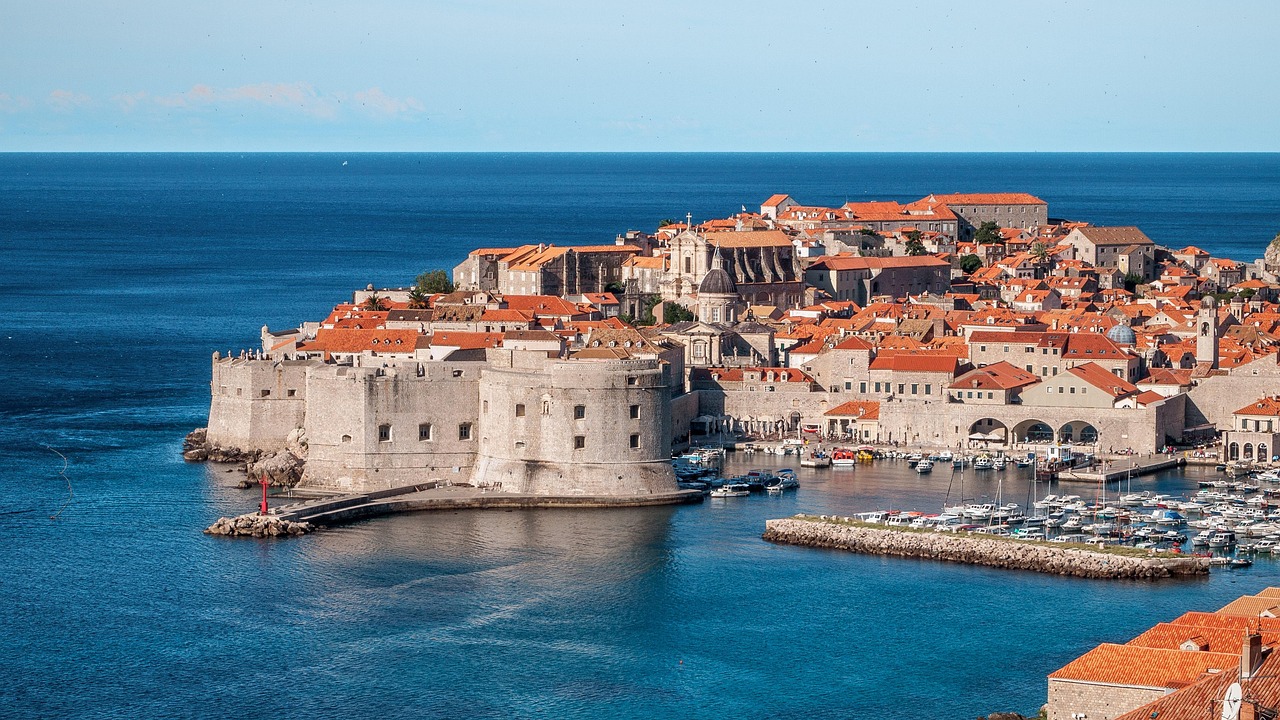
Dubrovnik and Split are the great showpieces. Dubrovnik's old city, encircled by massive stone walls, was inscribed as a UNESCO World Heritage Site in 1979, and a walk along the ramparts gives sweeping views of the Adriatic. Split grew inside the palace of the Roman emperor Diocletian, and its alleys, cafes and shops still occupy the ancient structure. Further north, Rovinj in Istria brings a Venetian flavour, while the nearby coastline of Italy across the water adds to the sense of a shared Adriatic story.
Plitvice, Hvar and the Taste of Dalmatia
Nature is as strong a draw as architecture. Plitvice Lakes National Park, a UNESCO site since 1979, is a chain of turquoise lakes linked by cascades and wooden walkways, while Krka National Park offers its own tiered waterfalls. Offshore, Hvar is celebrated for lavender fields, a handsome Venetian harbour and lively evenings, Korčula for its medieval walled town, and Vis and Brač for quieter beaches. The Kornati islands, a labyrinth of stony isles, are a sailor's playground.
Cuisine follows the coast. Dalmatian dishes include black cuttlefish risotto, grilled fish with olive oil and blitva, and peka, meat or octopus slow-cooked under an iron bell. Pelješac produces rich Plavac Mali reds, and Mali Ston is known for its oysters. Istria adds truffles and olive oil. A hotel group can easily build a story around boutique island stays, vineyard lunches and sailing, and the wider Mediterranean offers many natural pairings.
Sailing Seasons and Smooth Connections
Late spring and early autumn are especially rewarding, with warm sea, long daylight and a calm rhythm, while July and August bring the liveliest coastline and festivals such as the Dubrovnik Summer Festival. Sailing is central to the culture, with marinas along the whole coast and ferries linking the larger islands to Split, Zadar and Dubrovnik. Inland, Zagreb's Advent season and the vineyards of Slavonia and the north make a quieter case for visiting outside summer.
Croatia has international airports at Zagreb, Split, Dubrovnik, Zadar, Pula and elsewhere, which suit both UK and European visitors. A name like CroatiaDirect.co.uk lets tourist boards and airlines share the whole coast in one place. Travellers combining destinations can extend to Malta, Turkey or onward across Europe, and an airline route map can easily pair Croatia with other Mediterranean city breaks.
From Dubrovnik Palaces to Island Villa Retreats
Croatia's accommodation follows its geography. In Dubrovnik, stone guesthouses inside the old walls suit couples and history lovers, while the Lapad peninsula and the bays towards Cavtat hold larger beach hotels with terraces, pools and spa floors that work well for families. Split offers apartments and boutique hotels along the Riva and inside the palace quarter, an excellent base for those who like to step out into the evening promenade, and Zagreb provides grand Austro-Hungarian hotels near the main square.
The islands add character. Hvar Town combines Venetian palaces with lively harbour terraces, Korcula's old town has small heritage hotels, and Brac's Bol is known for Zlatni Rat, a tongue of pale pebbles that suits windsurfers and families. Vis and Mljet offer quieter retreats with stone villas and simple pensions. Zadar and Sibenik, on the northern Dalmatian coast, are gaining a following for design hotels and marina resorts, while the Opatija Riviera keeps its elegant Habsburg villas for classic spa breaks.
Peka Lunches, Lace, Song and Sword Dances
Beyond the coastal staples, Croatia has a deep regional table. Pasticada, beef slow-braised in a rich sauce and served with gnocchi, is a Dalmatian celebration dish, and Pag island is known for its salty sheep's cheese and delicate lace. Drnis ham, Ston oysters and fig cakes complete the picture, and in Zagreb, strukli, baked cheese pastry, is a comforting classic. Coffee culture is serious, with long mornings on terraces, and the national pastry kremsnita, a custard slice, is a speciality of Samobor.
Croatia holds a long list of UNESCO intangible heritage, among them klapa singing, the Moreska sword dance of Korcula, Sinj's Alka tournament and the traditional lace of Pag and Hvar. Festivals fill the year: Rijeka's carnival in February, Easter processions on Hvar, the Split and Dubrovnik summer festivals, and the autumn harvest feasts of Istria and Slavonia. Gallery lovers can visit Zagreb's museums and Split's Meštrović Gallery, and craft shops sell licitar hearts, gingerbread and woven goods as keepsakes.
Sailing Routes, Rapids and Island Hopping Plans
Active travellers can design a whole week around a single theme. Sailing flotillas run between Split, Hvar, Vis and Korcula, with calm channels and many sheltered anchorages, while sea kayaking around Dubrovnik and the Elaphiti islands offers quieter exploration of caves and coves. Walkers will enjoy Paklenica National Park's limestone canyons and the Plitvice boardwalks, and Omis on the Cetina river is a base for rafting and zip lines. Cyclists and climbers also find routes, and divers explore wrecks and walls around Vis.
Day trips knit the coast together. From Dubrovnik, a boat reaches Mljet National Park, with its saltwater lakes and a monastery island, and the road south leads to Kotor Bay in neighbouring Montenegro. From Split, Trogir's compact old town and the Krka waterfalls are easy outings. A booking platform can bundle a mainland base with an island stay, and travellers looking beyond the Adriatic can add Italy, Sardinia or Corsica for a wider sailing season, or fly onwards to Europe's cities.
Planning your stay
Dubrovnik is the best known walled city, with views over the Adriatic and heavy cruise ship traffic in summer. Split has the Roman palace of Diocletian at the heart of a lively city, and is the main base for island ferries to Hvar, Brač and Vis. Istria in the north has hill towns and a gentler pace, and Rovinj is its most photographed harbour town.
Croatia is much easier to explore by sea than by road along parts of the coast, and many UK visitors combine a city stay with a boat trip. Its neighbours around the Mediterranean include Malta, which suits a different kind of short break.
When to go
May, June, September and early October are warm, less crowded and good for sailing, swimming and walking. July and August are hot, crowded and expensive, especially in Dubrovnik and on the islands. Winter is quiet and many island businesses close.
Entry rules
Croatia has been in the Schengen area since 2023, so UK visitors need a passport issued under 10 years before arrival with three months of validity after departure, and a stay of no more than 90 days in any 180.
The Entry/Exit System may require fingerprints and a photo at your first entry, which can add time at the airport. Flights from London take about two and a half hours to Split and Dubrovnik, with seasonal services to other airports.
Before you travel
Entry requirements and official travel guidance are updated regularly, so check the latest position with your government before booking. The sources we used are listed at the foot of this page.
Why Croatia matters to the industry
Croatia competes on beaches, sailing and heritage with Italy, Greece and Spain, and travellers choose a town or island before they choose a hotel. CroatiaDirect.co.uk lets a tourist board or hotel group publish the practical answers this page gives, and airlines can explain the routes into Split and Dubrovnik.
See our other destination guides for comparison, or the AI platform page for how this content reaches searchers and assistants.
Questions travellers ask about Croatia
Do UK citizens need a visa for Croatia?
No, a holiday of up to 90 days in any 180 needs no visa. Croatian border staff expect a passport issued under 10 years before arrival, with three months of validity after you leave.
Are there landmines in Croatia?
Unexploded mines remain in some previously war-affected areas outside the tourist resorts. Stay on marked paths and do not walk on uncultivated land.
What is Croatia best known for?
Croatia is best known for its Adriatic coastline and more than a thousand islands, Dubrovnik's walled old city, Diocletian's Palace in Split, Plitvice Lakes National Park and a food scene built on seafood, olive oil, truffles and local wines.
When is the best time to visit Croatia?
Late spring and early autumn offer warm sea, pleasant sightseeing weather and a calmer pace. July and August are the liveliest months for beaches, sailing and festivals, while Zagreb shines in the Advent season.
Where should I stay in Croatia for a first visit?
Many first-time visitors combine Dubrovnik or Split for history with an island such as Hvar or Korcula for beaches and sailing. Families often prefer resort hotels at Lapad or on the Makarska Riviera, while couples enjoy boutique stays in old towns.
What should I do in Croatia outside summer?
Spring and autumn suit hiking in Paklenica and Plitvice, cycling in Istria and truffle or harvest festivals. Zagreb's Advent season, spa breaks in Opatija and heritage touring in walled towns also work beautifully in the quieter months.
In the Visit Travel Group portfolio: CroatiaDirect.co.uk.