Where French Style Meets Caribbean Soul
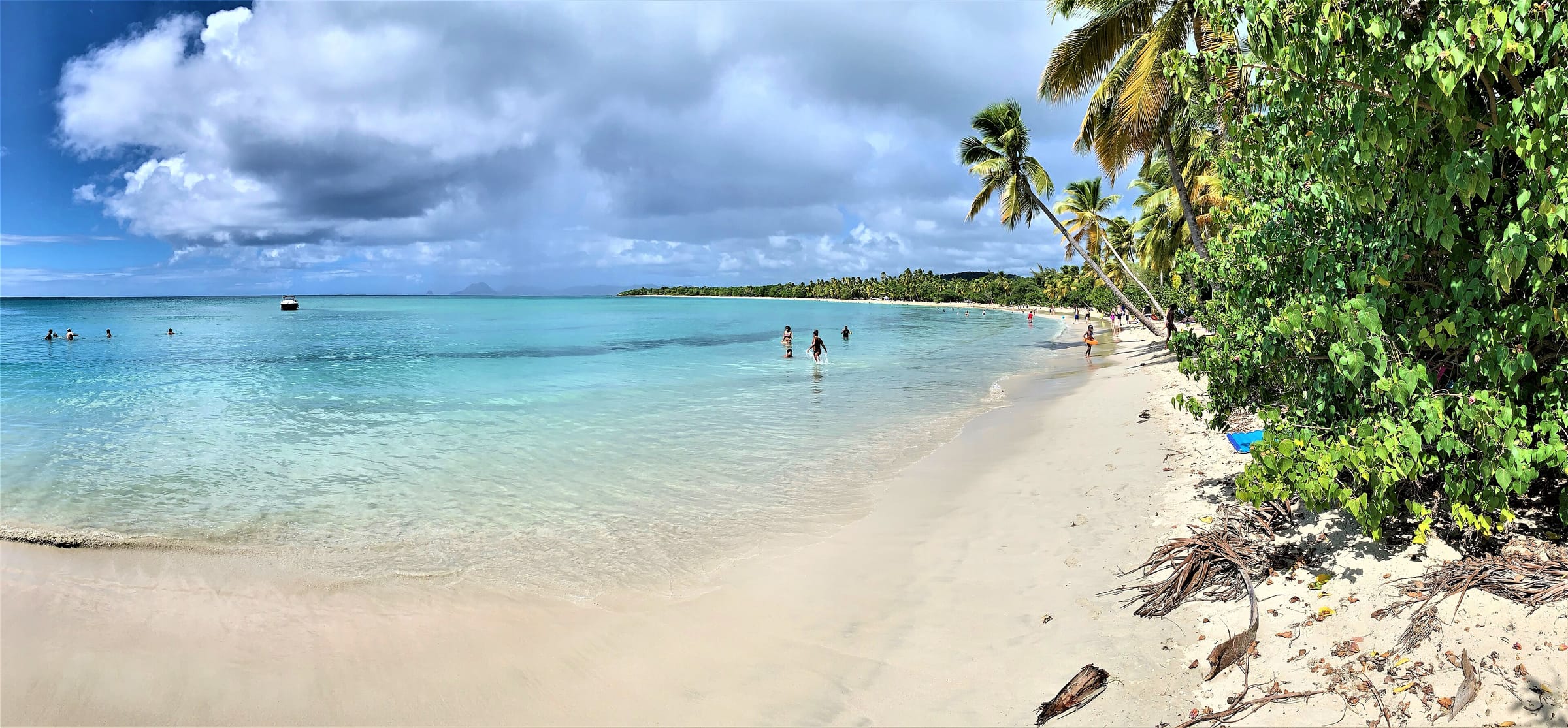
Martinique is a French overseas region in the Lesser Antilles, known for its green mountains, rhum agricole, Creole cuisine and a distinctive literary and musical culture. It covers 1,128 square kilometres and had 349,925 residents in January 2024, with Fort-de-France as its capital. Mount Pelée, at 1,397 metres, is the island's highest point, and in September 2023 Mount Pelée and the Pitons du Carbet received UNESCO World Heritage status, confirming the island's natural importance. The north is lush and forested, the south softer and lined with beaches.
Saint-Pierre, once known as the Paris of the Lesser Antilles, is a reminder of the island's historic cultural prominence. Martinique is also the home of the Creolite literary movement and the author Aime Cesaire, whose voice shaped Caribbean thought. Cuisine blends African, French, Caribbean and Indian influences, with dishes such as Colombo curry and freshly caught seafood. It is an island where lunch is a serious pleasure and conversation moves easily between French and Creole.
Rhum, Beaches and the Tour des Yoles
Rhum agricole, made from fresh sugar-cane juice rather than molasses, is one of Martinique's great specialities, and distillery visits are a highlight for many guests, with tastings among cane fields and historic estates. In the south, Les Salines is a long, popular beach, and Diamond Rock rises from the sea off the coast near Le Diamant. The Balata Sacred Heart Church, a small-scale echo of Paris's Sacre-Coeur, adds an unexpected architectural note in the hills above Fort-de-France.
Le Tour de Yoles Rondes, held in late July, is the island's largest sporting event: a race of brightly sailed traditional boats around the coast, with crowds and festivities at every stage. For a tourist board, it is a living festival that tells the story of the island in a single image. The neighbouring islands, Guadeloupe to the north and St Lucia to the south, make natural companions for a trip.
Planning Your Martinique Escape
The dry season from December to May brings the sunniest conditions for beaches, hikes and distillery trails, and Carnival, with its costumed parades, fills the weeks before Lent. Visitors can base themselves in the south for beaches and in the north for forest and mountain scenery, and driving between the two is straightforward. Accommodation ranges from small guesthouses and Creole villas to beach resorts, offering good variety for different travel styles.
Regionally, Barbados and Grenada are comfortable companions for island hopping, and the wider Caribbean is easily explored from here. A name like Martinique.co.uk gives hotels, airlines and boards one clear home for the whole story, from rum and Creole cooking to mountains and sailing, and helps visitors see why this French island deserves a place on any longer Caribbean itinerary.
Where to Stay: Trois-Ilets, Diamant and Saint-Pierre
Martinique's stays gather around a handful of distinct areas. Les Trois-Ilets and Pointe du Bout, across the bay from Fort-de-France, form the resort hub, with beachfront hotels, marina restaurants, a golf course and the quick ferry to the capital, and they suit families, golfers and first-time visitors. Le Diamant, in the south-west, faces the great rock in the sea and has guesthouses and small hotels along a wide, quiet beach, a good choice for couples. Sainte-Anne and the Salines coast have villas, gites and relaxed beach stays, and Le Marin, nearby, is the island's yachting capital for sailors on charter.
The north and east have a different pace. Saint-Pierre, beneath Mount Pelee, suits culture seekers with small inns, a museum and diving at the harbour wrecks, while Grand'Riviere and the north-west offer rainforest and rugged coastline. Le Francois and the Atlantic side have creole houses, water gardens and views of the white sand shallows known as the baths of Josephine. Plantation-style habitations and converted estates offer a historic setting for dinner and a night, and Fort-de-France has city hotels close to the market and the cathedral. Most guests choose a southern beach base and add a night or two in the north.
Colombo, Zouk and the Martinique Calendar
Martinican cooking is a point of pride, built on French technique and Creole spice. Accras, colombo, boudin, poulet boucane, smoked chicken, and blaff, fish poached in lime and herbs, appear on menus across the island, with avocado feroce and coconut tart for variety. Chocolate, coffee and tropical fruit sorbets are local specialities, and the covered market in Fort-de-France is a feast of colours and spices. The Schoelcher Library, a striking iron and glass building, and the birthplace of Josephine at La Pagerie show the capital's heritage, while Habitation Clement mixes distillery heritage with contemporary art in a tropical garden.
Zouk, the dance music born in the French Antilles, gives the island its sound, and madras fabric, in bright checks, gives it its look. Carnival, running from January until Ash Wednesday, brings parades in costume and the burning of Vaval, the carnival king, at the end. The Fort-de-France Festival, held in July, fills theatres and streets with dance, music and theatre. Autumn brings quieter beaches and soft light, and the dry season from December to May is the most popular. A booking platform can package carnival weekends, festival breaks and distillery trails, giving each season a distinct, easy-to-sell reason to travel.
Mount Pelee Trails, Kite Lagoons and Neighbour Islands
Martinique rewards active travellers. Walkers climb Mount Pelee on a long, rewarding trail, explore the Gorges de la Falaise by guide, and follow the Saut du Gendarme waterfall path, while the Caravelle peninsula offers coastal walks through mangrove and dry forest. Divers visit the wrecks in Saint-Pierre's bay and the reefs off Le Diamant, and snorkellers find turtles in the shallows at Anses d'Arlet, a charming fishing village with a church on the sand. Kitesurfers and windsurfers head to Le Vauclin, golfers to Les Trois-Ilets, and cyclists and kayakers can explore the mangrove channels and creole villages.
Martinique also makes a strong base for island-hopping. A ferry links the island with St Lucia to the south, and flights reach Guadeloupe to the north for a second French flavour. Barbados and Grenada are comfortable next steps, and sailors can follow the chain from Le Marin to the Grenadines. A stay can be built around rum, hiking or diving, with day trips to the north coast and the baths of Josephine. Tourist boards and hotel groups can combine these ideas into short themed breaks, and the wider Caribbean is only a short flight away.
Planning your stay
Martinique is part of France and of the European Union, so the experience feels different from the former British islands around it. The currency is the euro, the roads are French, the shops stock French goods, and the food is a mix of Creole and French cooking that many travellers rank among the best in the region. Fort-de-France, the capital, has a busy market, a cathedral and a waterfront, and the seaside town of Les Trois-Îlets is the main resort area.
The island is mountainous in the north, where Mount Pelée dominates. The 1902 eruption destroyed the town of Saint-Pierre, and its ruins can be visited. The south has the long white beaches, such as Les Salines, and calmer water, while the north has black sand and rainforest walking. Rum is a particular draw, and Martinique's agricultural rum, made from fresh cane juice, has a protected designation of origin.
Getting there
No airline flies non-stop from the UK to Fort-de-France. Most UK travellers connect through Paris, where Air France flies from Charles de Gaulle and Air Caraïbes and Corsair fly from Orly to Fort-de-France. Check current schedules, because they change by season. French is the main language, and English is spoken less widely than on neighbouring islands, so a phrasebook or translation app is useful outside the main hotels.
Martinique links easily with its neighbours. Guadeloupe is the other major French island, and St Lucia lies to the south and is reached by regional flight. Visitors who want a wider trip can also add the Grenadines.
Entry rules for UK visitors
For a trip through Fort-de-France Aimé Césaire airport, the passport rule is three months of validity after the day you intend to depart, and a visa is not needed for stays of up to 90 days for tourism or business. To stay longer, to work or to study, you must check the French visa process.
Arrivals from a yellow fever risk country must show a vaccination certificate. Anyone who is resident on Martinique should keep their residence document with them as well as their passport.
When to go
Martinique is driest and most comfortable between December and May, which is also when most visitors come. Carnival runs in the weeks before Lent and is the biggest event of the year, with parades, costumes and music across the island. Ash Wednesday moves each year and fixes the Carnival dates, so check the calendar for your year.
The Atlantic storm season spans June to November, and the heaviest period for Martinique is usually August to October. Rain is more frequent and humidity higher in the wet season, but it is also quieter and cheaper.
Away from the beach, a day can include a rum distillery tour, a walk in the rainforest above Fort-de-France, a visit to the Saint-Pierre ruins and a long lunch of fresh fish with Creole sauces. A hire car is the easiest way to see the island, and driving is on the right, so UK drivers should allow time to adjust.
Before you travel
Entry requirements and official travel guidance are updated regularly, so check the latest position with your government before booking. The sources we used are listed at the foot of this page.
Where it fits
Martinique is the quieter French option in the southern Caribbean. Compared with Barbados, it offers a more distinct culture and fewer British visitors. For hotels and tourist boards, that difference is a selling point, but it needs to be explained in English, because many UK travellers do not know what to expect.
That is the gap our tourist board partnerships and AI platform fill, and you can explore more places in our destination guides or the wider Caribbean guide.
Questions travellers ask about Martinique
What currency does Martinique use?
The euro, because Martinique is part of France. Cards are widely accepted in hotels and larger restaurants, but carry some cash for markets and small businesses.
Do people speak English in Martinique?
Some do, particularly in larger hotels, but French is the main language and English is less common than on neighbouring islands. A translation app is useful.
When is the best time to visit?
December to May is the driest and most comfortable. Carnival takes place before Lent. Hurricane season runs from June to November, so travel flexibly if you go then.
What is Martinique best known for?
Martinique is best known for rhum agricole, Creole cuisine, the writer Aime Cesaire, Les Salines beach and the Tour des Yoles Rondes sailing race. In 2023, UNESCO also recognised Mount Pelée and the Pitons du Carbet as a World Heritage Site.
When is the best time to visit Martinique?
December to May is the classic dry season for beaches, hiking and distillery tours. Carnival arrives before Lent, and the Tour des Yoles Rondes takes place in late July, so there is a festival-led reason to visit at several points in the year.
Where should I stay in Martinique?
Les Trois-Ilets and Pointe du Bout suit families and first-time visitors, Le Diamant and Sainte-Anne suit couples seeking quiet beaches, Le Marin suits sailors, and Saint-Pierre suits culture seekers and divers. Many guests combine a southern beach base with a night in the north.
What food should I try in Martinique?
Try accras, colombo curry, blaff poached fish, boudin and smoked chicken, plus avocado feroce and coconut tart. The market in Fort-de-France is a good place to taste fruit, spices, chocolate and coffee, and local sorbets are a refreshing end to a meal.
In the Visit Travel Group portfolio: Martinique.co.uk, Martinique.uk, VisitMartinique.co.uk.