Tobago, the Caribbean's Greener, Gentler Twin
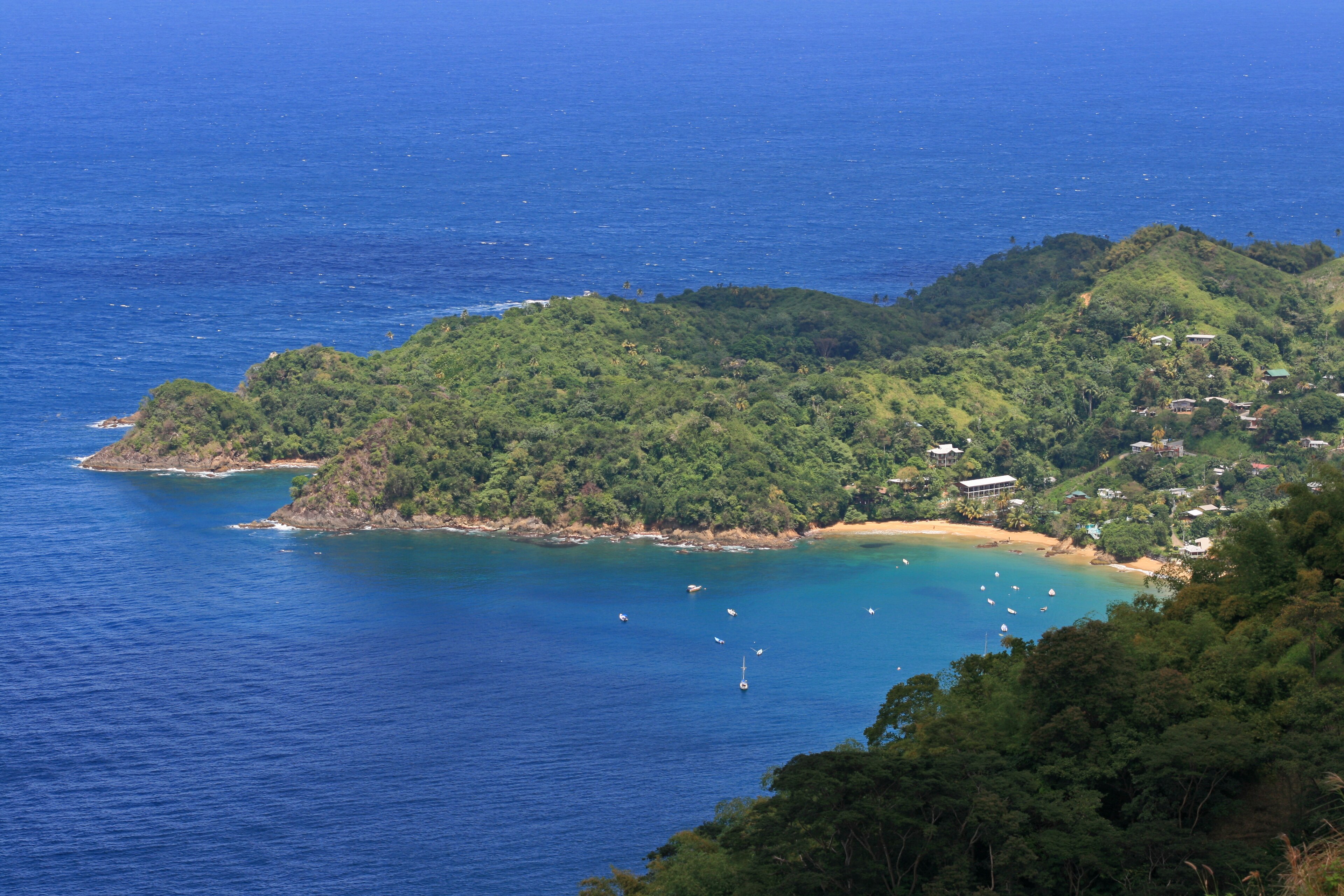
Tobago is a small island in the southern Caribbean, forming the smaller half of the twin-island republic of Trinidad and Tobago and known for its rainforest, coral reefs and unhurried village life. About 26 miles long and roughly 7 miles wide, it lies a short distance north-east of Trinidad, with Scarborough as its capital. Its spine of hills, the Main Ridge, carries a forest reserve established in 1776, often described as one of the oldest protected rainforests in the world. The island passed between Dutch, French, British and Courlander hands before settling into its modern identity.
That layered past shows in the landscape. Fort King George, above Scarborough, looks across the harbour from its restored British garrison buildings, while fishing communities such as Castara and Charlotteville gather around calm bays and brightly painted boats. Food follows the sea and the garden: crab and dumpling, curried goat, callaloo and fresh kingfish are island staples. Many travellers pair Tobago with its big sister Trinidad and Tobago for a taste of Carnival energy, then settle into Tobago's slower pace for the second half of their stay.
Buccoo Reef, Pigeon Point and Speyside's Dive Waters
The shoreline is the draw. Pigeon Point, with its white sand and thatched jetty, is the island's best-known beach, while Store Bay and Englishman's Bay offer livelier and quieter alternatives. Glass-bottom boats run out to Buccoo Reef and the shallow Nylon Pool, a sandbar where the water glows a pale, milky turquoise. On the north-east coast, Speyside is a centre for diving and snorkelling, with drift dives and large brain corals, and boats cross to Little Tobago, a seabird sanctuary.
Inland, the Main Ridge trails and the Argyle Waterfall reward a morning's walk with birdsong and cool, green shade. Culture is just as strong: Tobago Heritage Festival, held across villages in July and August, brings storytelling, folk dance and village feasts to life. A tourist board could present the island's eco-trails, reefs and festivals as one calm, nature-led story. The wider Caribbean has few places where rainforest and reef sit so close together, and fewer still where they feel so unhurried.
When to Go and How to Reach Tobago
The dry season from January to May is the most reliable window for beach days, calm seas and clear reef visibility, while the greener months from June to December bring cooler, lush landscapes and the Heritage Festival. Easter weekend has its own local flavour with the Buccoo Goat Race, a much-loved village tradition. For birdwatchers, the Main Ridge and Little Tobago deliver year-round interest, and a short drive links most beaches and villages on the compact island.
Visitors arrive at A.N.R. Robinson International Airport near Crown Point, or by sea from Port of Spain to Scarborough on the inter-island ferry. Many pair a Tobago stay with Trinidad's culture and cuisine, or look north to Grenada and Barbados for a wider southern Caribbean itinerary. Hotels and airlines can use a name like VisitTobago.co.uk to gather the whole story in one place: reef, rainforest, festival calendar and the easy charm of an island that has stayed refreshingly itself.
Where to Stay: Tobago's Beaches, Estates and Villages
Tobago rewards a little planning when it comes to where to stay, because each corner of the island has its own temperament. The south-west around Crown Point, Store Bay and Pigeon Point is the easiest base, with the airport close by, restaurants within walking distance and boats leaving daily for the reef. Families and first-time visitors tend to settle here. Mount Irvine and Buccoo Bay suit golfers and sunset lovers, with a long-established course above the sea and relaxed bayside terraces. Large beach resorts and all-inclusive properties line this coast, which makes it a practical choice for groups and celebrations travelling together.
Further along, the Caribbean coast turns quieter and greener. Castara, Parlatuvier and Bloody Bay are small village bays where guesthouses, cottages and hillside villas look out over fishing boats, and guests tend to be walkers, birdwatchers and couples seeking calm. On the Atlantic side, Speyside and Charlotteville are the natural homes of divers, with small dive lodges, eco-retreats and family-run inns close to the reef boats. Boutique stays, plantation-style houses and private villas with plunge pools complete the choice, so a compact island can offer a lively beach week, a rainforest retreat or a generous mixture of both.
Crab and Dumpling, Cocoa and the Steelpan
Tobago's table is one of the Caribbean's great unsung pleasures. Crab and dumpling, the island's signature dish, is best eaten around Buccoo, where cooks serve curried crab with soft dumplings made that morning. Fish broth, pelau, stewed chicken and breadfruit fill village kitchens, while roadside stalls sell sweet bread, coconut sweets and tamarind balls. Cocoa grown on inland estates is turned into rich island chocolate, and juices from soursop, sorrel and passion fruit appear at breakfast. Buccoo's weekly Sunday School street party gathers families and visitors for steelpan, grilled fish and dancing, and it is one of the liveliest ways to meet the island.
Music runs through everything. The steelpan was born in neighbouring Trinidad and is played with real pride on Tobago, while calypso, soca and string-band traditions turn up at village gatherings. Craftspeople weave baskets, carve calabash and sell batik and jewellery in Scarborough and at roadside stands. The year has a gentle rhythm: dry-season sunshine and Easter gatherings in the first half of the year, a jazz festival in spring, Heritage Festival season in high summer, and greener, quieter months in autumn when waterfalls run full and estate gardens are at their best. Every season has a local event to build a visit around.
Rainforest Trails, Dive Boats and Day Trips
Active days are Tobago's strength. Guided birdwatching walks on the Main Ridge look for motmots, hummingbirds and the rufous-vented chachalaca, and the Gilpin Trace suits walkers who like shade and birdsong. Kayakers paddle the mangroves of Bon Accord Lagoon, and golfers play the course at Mount Irvine. At Speyside the reef starts close to the boats, with drift dives and turtles for experienced divers, while snorkellers find calm shallow gardens at Charlotteville and Pirate's Bay. Sailing, sea kayaking and stand-up paddleboarding operate from Pigeon Point and Store Bay, and yoga and spa sessions are easy to add at several resorts.
Tobago also works beautifully as one half of a longer route. Leatherback turtle nesting begins around March, giving family stays a memorable evening outing, and glass-bottom boat days suit all ages. Island-hoppers can continue to Bequia, St Lucia or Martinique for a southern Caribbean circuit, while Guyana adds rainforest and wildlife on the South American mainland. A set of destination guides could pair these nature days with stays, so visitors can build a week around reef, forest and village in a single plan, then extend it with a second island.
Planning your stay
Tobago is about 25 miles (40 km) long, with a low coral plain in the south west and a forested ridge along the north. Pigeon Point and Store Bay near Crown Point have the classic beaches and the main hotel area, while the north has quieter bays and the village of Charlotteville. Buccoo Reef, a short boat ride from the coast, is the best known snorkelling spot.
The Main Ridge Forest Reserve was protected in 1776, and it is often described as one of the oldest legally protected forest reserves in the region. Birdwatching, waterfall walks and diving at Speyside, on the north east, make Tobago a good choice for active travellers as well as beach lovers.
Getting there
Tobago has its own airport near Crown Point, with short flights from Trinidad, and a ferry runs between Port of Spain and Scarborough. British Airways flies from Gatwick to Tobago via Antigua in about 11 hours in total, and otherwise you connect through Trinidad. Allow time for the connection and check the ferry timetable before you rely on it, because the crossing can be disrupted by weather and demand is high around public holidays. Flying into Tobago on the one-stop route avoids the extra leg and the transfer through Trinidad, so it is worth comparing fares and schedules for both routes.
Tobago can be paired with Trinidad for culture and food, or with Grenada and Barbados for a broader southern Caribbean trip.
Entry rules for UK visitors
Declare anything that may be prohibited or subject to tax or duty at customs.
Before you travel
Entry requirements and official travel guidance are updated regularly, so check the latest position with your government before booking. The sources we used are listed at the foot of this page.
When to go
The dry season from January to May is the most comfortable and the busiest. Tobago lies south of the usual hurricane track, so direct hits are rarer than on islands further north, though the Atlantic hurricane season runs from June to November. The wet season has more rain, and some small businesses close in the quietest months.
Tobago hosts its own events, including a heritage festival in July, but dates change, so confirm them with official sources. Carnival in Trinidad and Tobago is centred on Trinidad, so Tobago is calmer at that time. For the wider region, see our Caribbean guide, and for how we work with partners, see our hotel partner page and AI platform. More places are in our destination guides.
Questions travellers ask about Tobago
How do I get to Tobago?
By air, either on British Airways from Gatwick via Antigua (about 11 hours in total) or by connecting through Trinidad, or by ferry from Port of Spain to Scarborough. Check timetables before you travel.
Is Tobago good for snorkelling and diving?
Yes. Buccoo Reef is the best known snorkelling spot, and Speyside on the north east coast is known for diving. Conditions vary by season, so check with operators.
What is Tobago best known for?
Tobago is best known for its protected Main Ridge rainforest, Buccoo Reef and the Nylon Pool, calm beaches such as Pigeon Point, and diving at Speyside. Its village culture, Heritage Festival and Easter goat races give it a distinctive, unhurried character.
When is the best time to visit Tobago?
January to May is the dry season, with the most settled weather for beaches and reef trips. June to December is greener and quieter, with Heritage Festival in July and August. The island suits visitors in every month.
Where should couples stay in Tobago?
Couples often choose the quiet Caribbean-coast villages of Castara and Parlatuvier for hillside villas and sea views, or boutique stays near Pigeon Point and Mount Irvine for restaurants and beach clubs. Speyside suits couples who dive together.
What food should I try in Tobago?
Start with crab and dumpling around Buccoo, then try fish broth, pelau, curried goat and juices such as soursop. Island chocolate and local coffee make good souvenirs, and Sunday School at Buccoo is a lively way to sample many dishes.
In the Visit Travel Group portfolio: VisitTobago.co.uk.