Old San Juan, Rainforest and an Island of Rhythm
Puerto Rico is a United States territory and island in the northeastern Caribbean, known for its colonial San Juan, its rainforest, its beaches and its music. With about 3.2 million residents and San Juan as its capital, it combines Spanish colonial history with Taíno roots, African heritage and American influence. The island is roughly 100 miles long and 35 miles wide, and a drive of a couple of hours can take you from the capital's blue-cobbled lanes to the cool rainforest of El Yunque or the surf at Rincón.
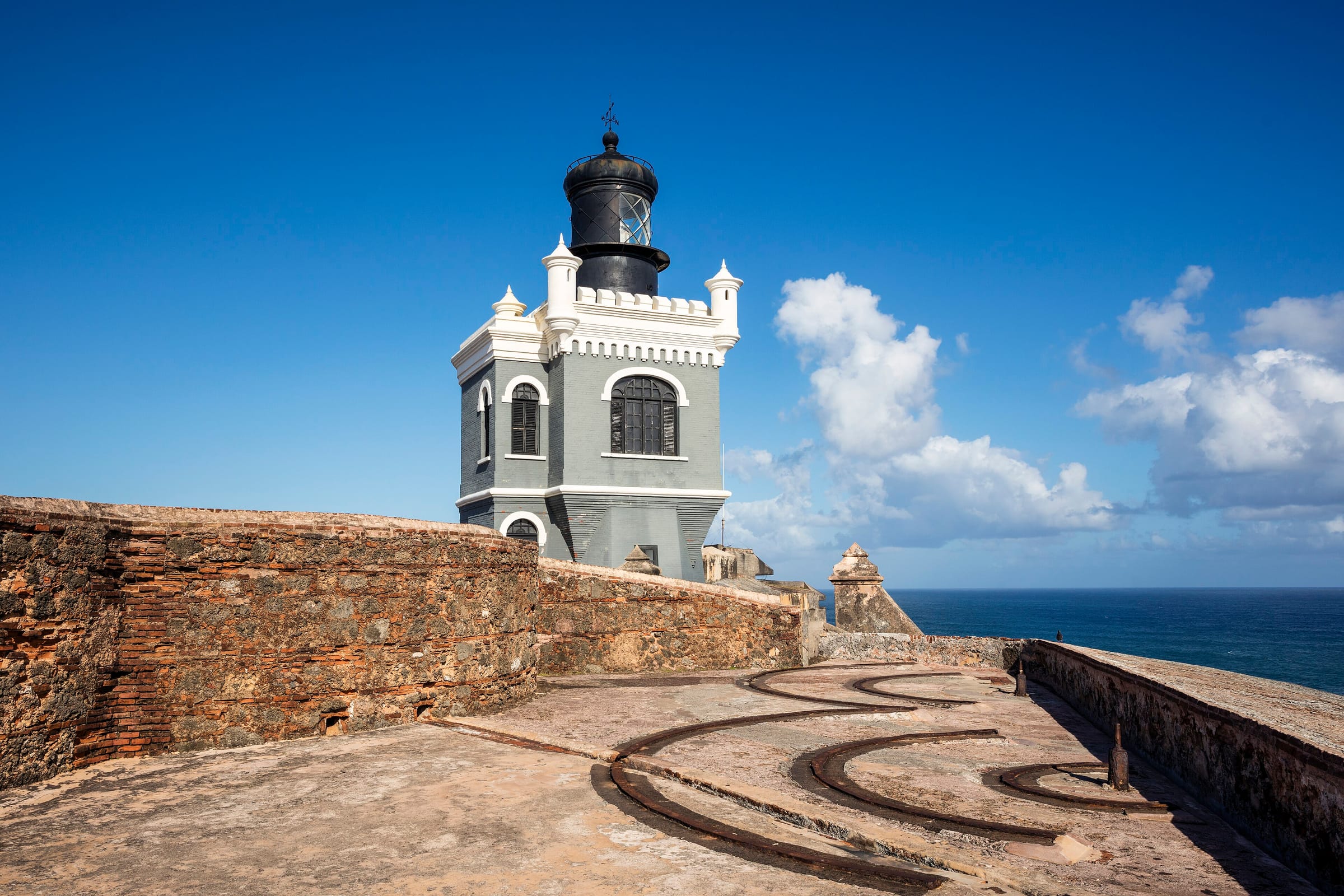
San Juan was founded in 1521, and its Old Town, with its pastel townhouses, balconies and plazas, is among the oldest European-built settlements in the Americas. The forts of San Felipe del Morro and San Cristóbal, together with sections of the city walls, form the San Juan National Historic Site, which UNESCO inscribed in 1983. Music is everywhere, from salsa and bomba to reggaeton, and the January San Sebastián Street Festival fills the old streets with art and dancing. Nearby Dominican Republic and US Virgin Islands make natural travel companions.
El Yunque, Vieques and the Flavours of the Island
Nature is a headline attraction. El Yunque National Forest, in the Luquillo Mountains, is the only tropical rainforest in the United States National Forest System, with waterfalls such as La Mina Falls and trails under tall tree ferns. Off the east coast, Culebra's Flamenco Beach and Vieques' glowing Mosquito Bay show the island's quieter side. The wider archipelago is part of the Virgin Islands chain, a short ferry or flight from Fajardo. On the south coast, Ponce has a handsome plaza, a famous art museum and elegant neoclassical architecture.
Food is a reason to travel in itself. Mofongo, a mash of fried plantain with garlic and pork or seafood, sits beside lechón asado, roasted pork served at roadside restaurants in Guavate, and fresh seafood in the kioskos of Piñones. Coffee from the central mountains is a source of pride. A tourist board can showcase these themes together, from history and gastronomy to sailing and surf, to reach several kinds of traveller at once.
Seasons, Connections and Where to Base Yourself
December to April brings the driest, brightest conditions, with festivals including San Sebastián in January and music events through the winter. Summer is warm and offers lower rates, with local patron-saint festivals filling towns. Visitors typically base themselves in San Juan, choosing between the beachfront hotels of Condado and Isla Verde and the boutique stays of Old San Juan, then add day trips to El Yunque, Fajardo or the south and west coasts.
Luis Muñoz Marín International Airport at San Juan is a major Caribbean hub, with ferries and small aircraft serving Vieques and Culebra, and road links across the island. As a United States territory, it pairs well with a longer trip to Florida or the wider Caribbean. Hotels, tourist boards and airlines can use a name like PuertoRico.co.uk to present Puerto Rico as an easy, rich and varied destination with something for every season.
Where to Stay: San Juan, Dorado, Rincón and Beyond
Puerto Rico offers more kinds of stay than most islands its size. In San Juan, the beachfront hotels of Condado and Isla Verde suit families and groups who want sand, restaurants and casinos close at hand, while Old San Juan has boutique hotels in restored colonial buildings, among them El Convento, a former Carmelite convent from the seventeenth century. Ocean Park has guesthouses and apartments beside a local beach. Dorado, on the north coast, is home to large resorts with golf and spas, a favourite for couples and golfers, and the east coast around Luquillo and Fajardo has beach resorts and marinas near El Yunque.
Further afield, Rincón on the west coast is the surfers' village, with guesthouses and villas that suit watersports lovers and winter whale watchers. Ponce, in the south, offers town-centre inns around its handsome plaza, and Cabo Rojo and Boquerón have beach apartments and seafood kiosks. In the central mountains, Jayuya and Utuado have coffee-farm stays, and the paradores, a network of small, family-run country inns across the island, are a distinctive local idea. Vieques and Culebra add intimate guesthouses and boutique hotels for those who want a quieter base off the east coast.
Pasteles, Bomba Drums and the Vejigante Masks
Puerto Rican cuisine rewards curiosity. Beyond mofongo, look for alcapurrias and bacalaítos, crisp fritters sold at beachside kiosks, arroz con gandules (rice with pigeon peas), pasteles wrapped in banana leaves at Christmas, and pernil, slow-roasted pork. Desserts include tembleque, a coconut pudding, and flan, and piraguas, shaved ice with fruit syrup, cool down a city afternoon. Coffee from the mountain towns of Yauco, Jayuya and Maricao is famous, and chefs in San Juan blend island ingredients with modern techniques in a dining scene that has earned wide praise.
Culture runs deep. Bomba and plena, rooted in African and Spanish traditions, are danced and drummed at festivals, and vejigante masks, with their bright horns, are the symbol of Ponce's Carnival in February and the Loíza festival of Santiago Apóstol in July. The Casals Festival of classical music brings musicians to San Juan in early summer, the Museo de Arte de Ponce and the Museo de Arte de Puerto Rico anchor a lively art scene, and Three Kings Day on 6 January is a beloved family celebration. Wherever the visitor lands in the calendar, there is a festival or concert within reach.
Surf, Caves and Bioluminescent Nights
Active Puerto Rico begins with the sea. Rincón has surf breaks for every level and some of the Caribbean's best sunsets, while Fajardo and the east coast are the departure points for catamaran trips to cays and reef snorkelling. Laguna Grande in Fajardo and La Parguera in the south-west offer glowing bioluminescent nights by kayak. Inland, the Río Camuy Cave Park has one of the world's great cave systems, and the Guajataca Forest has caves and walking trails. Cyclists, climbers and hikers enjoy the central mountains and Ruta Panorámica, a scenic road crossing the island, and golfers play at Dorado and Río Grande.
Day trips fit around a San Juan base. A drive to Ponce for art and architecture, a morning at Cabo Rojo's lighthouse and salt flats, or an overnight to Culebra or Vieques are all easy. Further afield, St Thomas and the British Virgin Islands are a quick hop east, and the Bahamas or Aruba extend a longer route. A booking platform could package a city stay, a coastal beach week and a mountain night together, so a single trip shows San Juan's culture, the island's coasts and its highlands in a well-paced, bookable itinerary.
Planning your stay
Old San Juan is a walled colonial city with forts, blue cobbled streets and a lively food scene, and the modern Condado and Isla Verde areas have the beach hotels. Inland, El Yunque is a national forest with waterfalls and trails, and the west and south coasts have surf towns and quieter beaches.
Offshore, Vieques and Culebra offer calmer beaches and a slower pace. The island is large enough to need a hire car for anything beyond San Juan, so plan transport before you choose a base.
Entry for UK travellers
A valid ESTA does not guarantee admission, and conditions can change without notice. Your passport has to remain valid for the whole of your stay in San Juan and beyond.
Check eligibility on the official ESTA website and apply early.
Getting there
San Juan is the main hub, with the widest range of connections from the US mainland and other Caribbean islands, and many UK travellers connect through a US gateway. Because US arrival procedures apply at the first US airport, allow generous connection times.
Puerto Rico also links neatly with the US Virgin Islands and the British Virgin Islands for island-hopping, and with the Dominican Republic to the west. Our airline partner page explains how carriers market these connections.
Weather and planning
Follow the guidance from local authorities, FEMA and the US National Hurricane Center.
Where it fits in the region
Puerto Rico is the biggest of the US territories in the Caribbean and a natural bridge to the Greater Antilles.
For hotels and tourist boards, PuertoRico.co.uk pairs verified local knowledge with a conversational concierge, and hotel groups can begin with our hotel partner page.
Before you travel
Entry requirements and official travel guidance are updated regularly, so check the latest position with your government before booking. The sources we used are listed at the foot of this page.
Where to base yourself
San Juan suits first-time visitors: staying in Old San Juan puts you among the restaurants, forts and bars on foot, while Condado and Isla Verde have beach resorts and are closer to the airport. For a quieter week, the west coast around Rincón and the south coast around Ponce offer smaller hotels, surf beaches and a more local feel.
If you want island-hopping, take the ferry or a short flight to Vieques or Culebra, both known for clear water and quiet beaches. They need advance booking in peak season because ferries and small planes have limited capacity, and accommodation is smaller in scale than in San Juan.
Food is a reason to come on its own: look for mofongo, fresh seafood and the roadside kiosks along the coast. Spanish is the everyday language, though English is widely understood in tourist areas. Plan a day in the capital for the fortifications of El Morro and San Cristóbal, a half day at the rainforest of El Yunque, and an evening on the coast for seafood. A hire car gives the most freedom, so check parking at your hotel in advance, and note that toll roads and city centre traffic can be slow at peak times.
Questions travellers ask about Puerto Rico
Is Puerto Rico in the USA?
It is a US territory, so US entry rules apply to UK visitors. Spanish and English are both widely used.
Do I need to hire a car?
For San Juan itself, usually not. To reach El Yunque, the coasts and other regions, a hire car is the most flexible option.
What is Puerto Rico best known for?
Puerto Rico is best known for Old San Juan and its forts, the El Yunque rainforest, bioluminescent bays at Vieques, beaches such as Flamenco on Culebra, and a food and music culture that includes mofongo, salsa and reggaeton.
When is the best time to visit Puerto Rico?
December to April is the driest and brightest period, with the San Sebastián Street Festival in January. Summer is warm and good value, and the island offers rainforest, beaches and city culture throughout the year.
Where should I stay in Puerto Rico?
Choose Old San Juan for historic boutique hotels, Condado or Isla Verde for beach and nightlife, Dorado for golf and resorts, Rincón for surf, and Vieques or Culebra for a quieter island stay. Paradores offer a distinctive family-run country option.
What food should I try in Puerto Rico?
Try mofongo, alcapurrias, pernil, arroz con gandules and pasteles, then finish with tembleque or flan. Mountain coffee from Yauco and Jayuya and a piragua on a hot afternoon are also local favourites.
In the Visit Travel Group portfolio: PuertoRico.co.uk, PuertoRico.uk, VisitPuertoRico.co.uk.