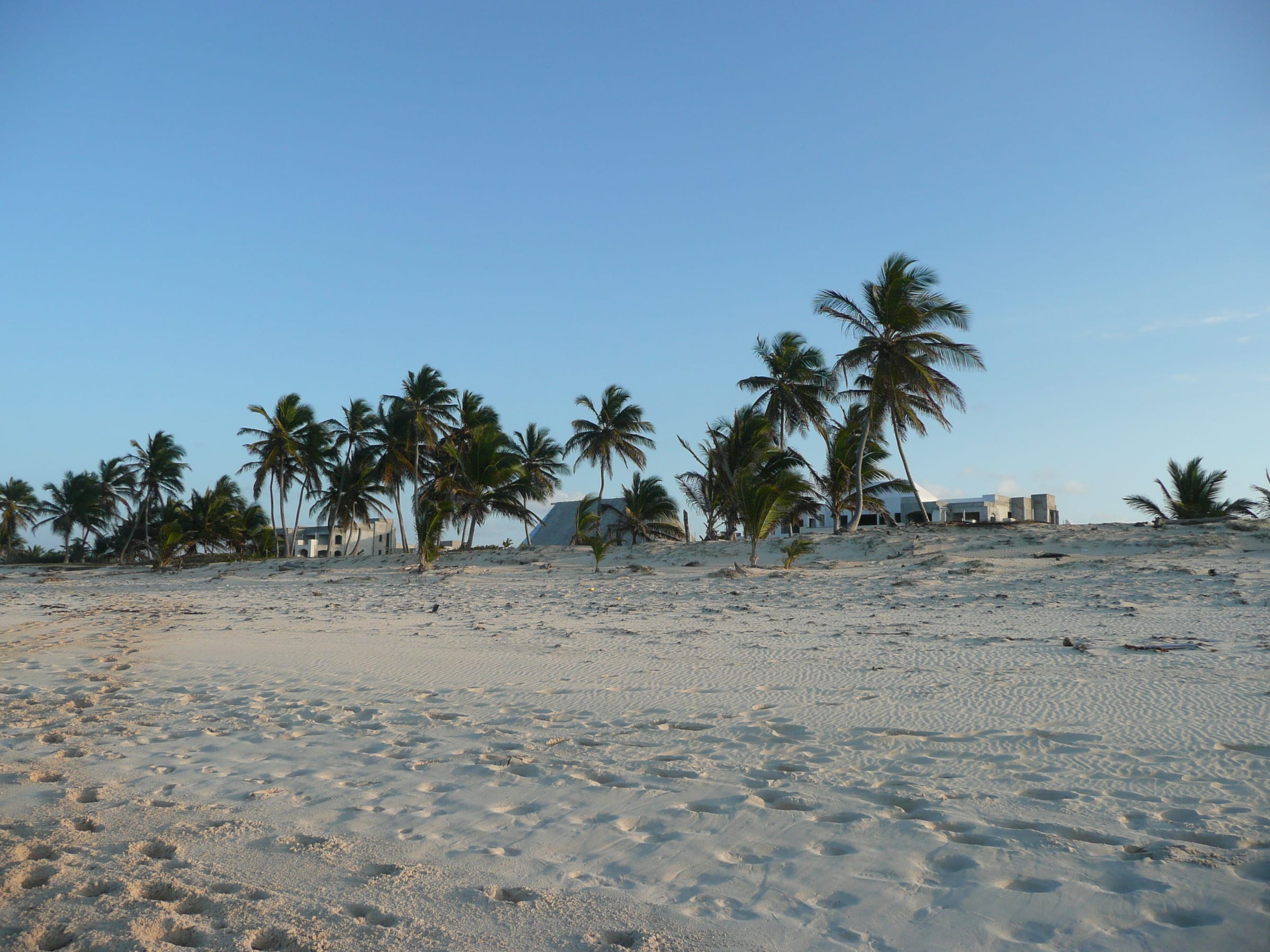
Palm-Fringed Sand at the Island's Eastern Tip
Punta Cana is a resort region at the eastern tip of the Dominican Republic, in La Altagracia province, known for long white-sand beaches, coconut palms and a calm Caribbean-facing coast. Its name means 'point of the cana palm', and the stretch from Bávaro to Cap Cana has become one of the most recognisable beach destinations in the Caribbean. The landscape is flat and sunny, with reef-protected shallows, wide beaches and large resorts set among gardens, which makes it popular with families, couples and groups.
Bávaro Beach is the heart of the region, running for miles with gentle water and plenty of beach clubs. To the south, Cap Cana is a planned resort and marina community with golf courses, villas and a smaller, more upscale feel. Juanillo Beach and Playa Blanca are among its best-loved sands. Many guests pair a beach stay with time in the wider Dominican Republic, where Santo Domingo's colonial streets and Samaná's whale season are only a day trip or short transfer away.
Saona Island, Cenotes and Fairway Days
Beyond the beach, Punta Cana offers a surprising range. Boat trips run to Saona Island in Parque Nacional del Este, a protected island with palm-lined sand and natural pools, and the national park itself shelters caves, mangroves and birdlife. Inland, Hoyo Azul, a freshwater cenote reached by a woodland trail, shows a different face of the region, with turquoise water in a limestone hollow. Dune buggy, zipline and catamaran excursions fill active days, and snorkelling in clear lagoons is easy to arrange.
Golf is a defining attraction, with well-known courses such as Punta Espada at Cap Cana and the Corales course, and spas and wellness retreats are common in resorts. Food draws on Dominican staples such as fresh grilled fish, plantain and la bandera, with international menus at most hotels. A hotel group can use this variety, from active days to unhurried beach afternoons, to appeal to many types of guests. The nearby Puerto Rico and Jamaica offer alternatives for island-hopping itineraries.
When to Go and Getting to Punta Cana
The driest and sunniest months run from December to April, with warm days and gentle sea breezes, and the region remains warm and welcoming throughout the year. Winter brings the biggest crowds, while spring and autumn are quieter, with softer light and good conditions for golf and boat trips. Easter and Christmas are busy family periods, and the resort calendar is full of music and entertainment evenings.
Punta Cana International Airport, one of the busiest in the Caribbean, sits close to the resorts and keeps transfers short, with direct services from many European and North American cities. The simple arrival makes it an easy first-choice winter-sun destination, and the neighbouring Bahamas or Caribbean islands can follow on a longer trip. Airlines and hotels can use VisitPuntaCana.co.uk to show Punta Cana's whole story in one place: sand, golf, islands and easy access.
Where to Stay Along the Punta Cana Coast
Punta Cana is a long coast, and each section has its own mood. Bávaro and El Cortecito form the central strip, with big family resorts, shops and beach clubs close together, a natural choice for groups who like lots of activities on site. Uvero Alto and Macao to the north are quieter, with wide beaches and a more spacious feel, while Cap Cana, to the south, is polished and marina-centred, with villas, golf and boutique service for couples and celebrations. The Puntacana Resort and Club area near the airport combines hotels, golf and a private beach, and arrivals are easy.
Styles of stay vary widely. All-inclusive resorts dominate, with swim-up rooms, kids' clubs, spas and themed restaurants, and adults-only properties provide calm for couples and honeymooners. Boutique hotels and apartment complexes near Cortecito and Cabeza de Toro suit independent travellers who want to eat at local beach restaurants. Private villas, many with staff and pools, sleep large families and friends travelling together, and some sit beside fairways. Wellness resorts add yoga, spa programmes and healthy menus for those who want rest as well as sun, so a single coast can host almost any holiday.
Seafood, Coconut Water and the Altagracia Pilgrimage
Eating out in Punta Cana ranges from beach shacks to polished restaurants. Fresh grilled fish, lobster, shrimp in garlic and coconut-braised seafood are served with tostones and rice, and roadside stalls sell fried fish and empanadas. Dominican breakfasts of mangú or eggs with fried cheese are common, and cafés pour strong local coffee. Fruit stands sell pineapple, mango and passion fruit, and fresh coconut water is cut open on the beach. Chocolate workshops and cacao tastings, found at some resorts and plantations, reveal how Dominican cacao becomes chocolate.
Culture is a short drive away. In Higüey, the Basilica of Our Lady of Altagracia is the country's most important pilgrimage site, a striking modern church whose feast day on 21 January draws crowds from across the island. Local merengue and bachata bands play in hotel lobbies and beach bars, and craft stalls sell larimar jewellery, amber and hand-painted art. Dominican Carnival in February and Christmas season bring colour and music to nearby towns, while the dry winter months offer the busiest resort entertainment calendar. Summer is quieter, with calmer beaches and easy availability for travellers who like more space.
Catalina Island, Eco-Parks and Fairway Weeks
Beyond the beach, Punta Cana has a surprising range of themed days. Eco-parks combine ziplines, cenotes and walking trails, and the Indigenous Eyes Ecological Reserve at the Puntacana Resort protects freshwater lagoons in a patch of tropical forest. Catamaran trips and snorkelling outings visit the reef, golfers can build a week around several courses in the area, and horse riding along quiet beaches is a favourite. Kitesurfing and stand-up paddleboarding are available at Cabeza de Toro, and wellness travellers enjoy sunrise yoga and spa treatments. Families can combine water parks, pony rides and wildlife centres.
Day trips reach further. Catalina Island, off La Romana, is a snorkelling favourite, and Altos de Chavón, a stone-built artists' village above the Chavón River, is an easy cultural outing. Santo Domingo's Colonial Zone is a long day trip or overnight, and Samaná is reached by road or short flight. Many guests combine Punta Cana with Turks and Caicos or Aruba, and others fly on to Cancun for a second Caribbean coast. An AI platform could help match guests with the right resort style, activities and day trips, turning a simple beach holiday into a tailored week.
Planning your stay
Punta Cana is not a town but a stretch of coast with several resort areas. Bávaro is the largest and busiest, with big all inclusive hotels, restaurants and shops along a wide beach. Cap Cana is a gated, upmarket development with a marina and golf, and Uvero Alto to the north is quieter and more upscale, with larger grounds and more space between properties.
Because the area is built around resorts, the choice of hotel decides most of the holiday. Check beach quality, room standards and what the all inclusive plan actually covers, including à la carte restaurants, premium drinks and activities.
When to go
December to April is the driest and busiest period, with the highest prices over Christmas and New Year. Between May and November the east coast is hotter and wetter and resort rates fall, though hurricane season runs through those months and the peak threat to Punta Cana usually arrives in late summer. Seaweed, known as sargassum, can affect some Caribbean beaches in spring and summer, so ask your hotel about current conditions before you book.
Package deals are common from the UK, and shoulder months can offer very good value. Flexible rates are worth the extra cost in the autumn.
Getting there and getting in
Flights from London to Punta Cana take around nine hours, and the airport is close to most resorts, so transfers are short.
You must complete an online entry and exit form before arriving and again before leaving, which you can do up to seven days ahead. You will receive a QR code to show at check-in or arrival. You may be refused entry without proof of onward or return travel, and officials take fingerprints and a photograph at the border.
Excursions and combining destinations
Popular day trips include Saona Island by catamaran, Hoyo Azul cenote and the Altos de Chavón village. For a more cultural stay, add a night in Santo Domingo, covered in the wider Dominican Republic guide.
If you want something with less package-holiday volume, compare Jamaica, Puerto Rico or Cuba, which suit different budgets and travel styles. Our Caribbean guide sets out the options. Whichever you pick, read the entry rules for each country separately, because the forms, stay limits and passport requirements differ from island to island and change from year to year.
Before you travel
Entry requirements and official travel guidance are updated regularly, so check the latest position with your government before booking. The sources we used are listed at the foot of this page.
Why a resort name matters
Punta Cana is a brand in its own right: UK travellers search for it by name, often with a particular hotel group in mind. That makes it valuable to hotel chains, online travel agencies and airlines who want to be the first recommendation at the moment of choice.
A site on VisitPuntaCana.co.uk can publish current resort information, transfer times and entry steps, which is what our hotel partnerships and AI platform are built to do. Browse the other destination guides to compare approaches.
Questions travellers ask about Punta Cana
How long is the flight from London to Punta Cana?
Around nine hours. The airport is close to most resorts, so transfers are usually short.
What is the best time to visit Punta Cana?
The Bávaro coast is driest and priciest from December to April. Packages cost less from May and the beaches can see more sargassum then, so check conditions before paying. Ask your hotel about seaweed conditions in spring and summer.
What is Punta Cana best known for?
Punta Cana is best known for long white-sand beaches such as Bávaro, palm-lined resorts, golf at Cap Cana, boat trips to Saona Island and a busy international airport that makes the Dominican Republic's east coast easy to reach.
When is the best time to visit Punta Cana?
December to April is the driest and sunniest period, with warm days and gentle breezes. Spring and autumn are quieter and good for golf and excursions, while Christmas and Easter are busy family times.
Where should families stay in Punta Cana?
Bávaro and El Cortecito suit families with large resorts, kids' clubs and gentle beaches close together. Uvero Alto offers a quieter coast, while the Puntacana Resort and Club area is convenient for the airport and has golf and a private beach.
What are the best day trips from Punta Cana?
Popular day trips include Saona Island, Catalina Island, Altos de Chavón and the Basilica in Higüey. Eco-parks with ziplines and cenotes, catamaran snorkelling trips and a long day in Santo Domingo's Colonial Zone are also favourites.
In the Visit Travel Group portfolio: VisitPuntaCana.co.uk.