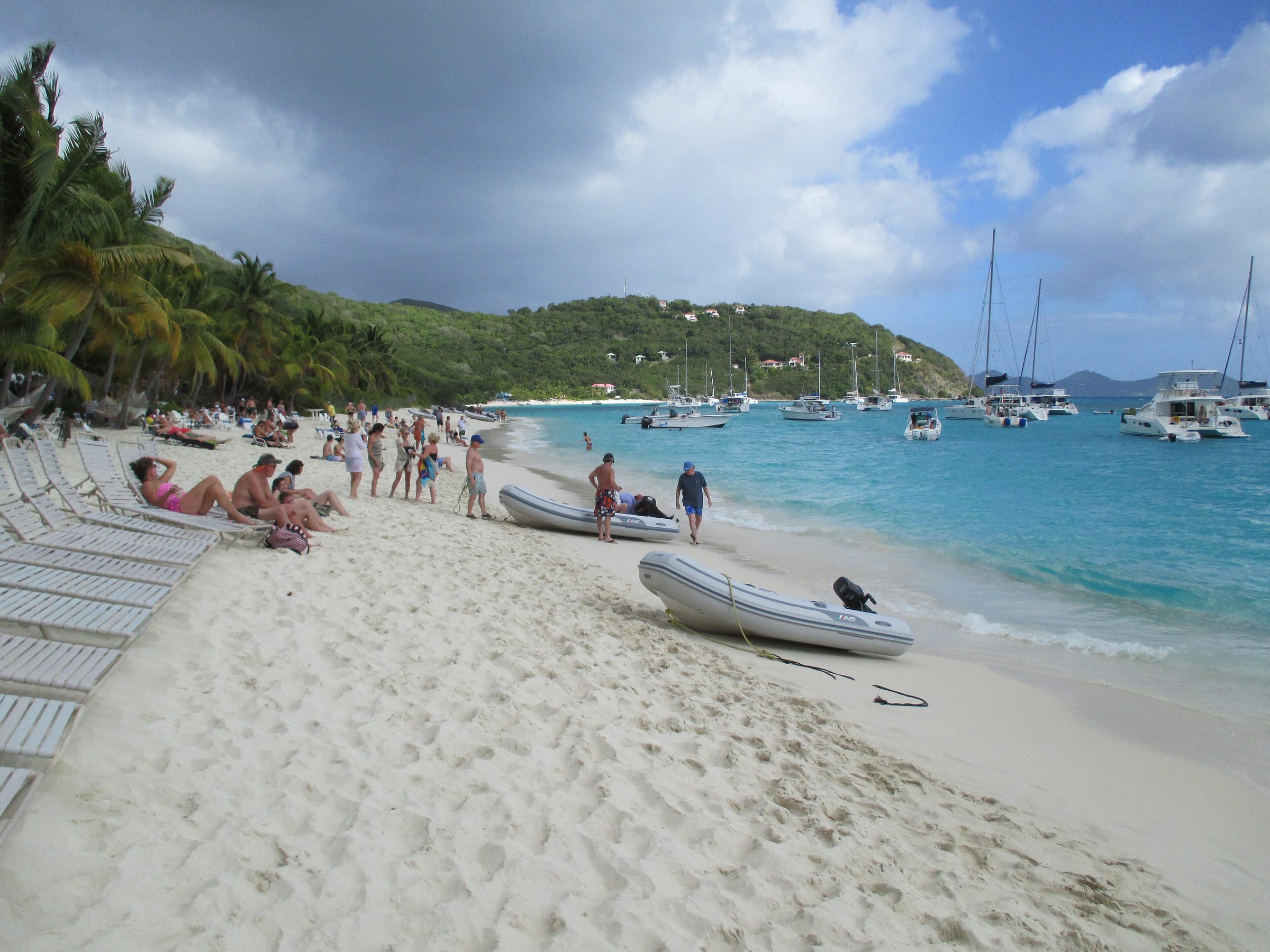
Where the Caribbean Is Best Seen From a Deck
The British Virgin Islands are a British Overseas Territory in the north-eastern Caribbean, made up of more than 60 islands and cays and widely known as one of the world's great sailing destinations. Tortola is the largest island and home to Road Town, the capital, while Virgin Gorda, Jost Van Dyke and Anegada each have a distinct character. The population is roughly 30,000. Sheltered waters between the islands, steady trade winds and short hops between anchorages make the archipelago easy to explore under sail, with a new bay in view almost every hour.
The islands' story begins with Amerindian peoples, then Spanish and Dutch visits, before the English took control in the seventeenth century and the territory developed around sugar and, later, fishing and seafaring. Today the mood is relaxed and welcoming, with a strong boating culture and a food scene built on fresh fish, lobster and roti. Travellers who enjoy it often continue to the neighbouring US Virgin Islands, a short sail away, or compare it with the wider Grenadines for another island-hopping classic.
The Baths, Jost Van Dyke and Anegada's Reef
Virgin Gorda's Baths are the signature sight: giant granite boulders tumbled along the shore, forming sea-filled grottoes and sunlit pools that visitors wander through by foot and snorkel. Jost Van Dyke, small and relaxed, is known for White Bay and its barefoot beach bars, while Norman Island and the Indians rock formations are favourites for snorkelling. Tortola adds Cane Garden Bay, a long crescent of sand with music drifting from its waterfront restaurants, and Sage Mountain National Park, whose forest trails rise to the territory's highest point.
Anegada is the outlier: flat, coral-built and ringed by Horseshoe Reef, one of the largest barrier reefs in the Caribbean. Its beaches, such as Loblolly Bay and Cow Wreck Beach, are broad and wonderfully quiet, and Anegada lobster is a local speciality. Divers also know the wreck of the RMS Rhone, a Royal Mail steamer lost in 1867 and now a celebrated site within a marine park. A hotel group or charter operator could weave these bays, reefs and anchorages into one easily bookable narrative.
Seasons, Charters and Island Connections
The most settled months run from about December to May, when breezes are reliable and skies are clear, and winter is the busiest charter season. Late October and November bring an annual regatta rhythm, with sailing events and festivals through the year. Beyond the water, Tortola's Emancipation Festival in late July and early August fills Road Town and the villages with music, parades and food, adding a strong cultural thread to the sailing calendar.
Most visitors fly into Terrance B. Lettsome International Airport on Beef Island, linked to Tortola by a short bridge, or arrive by ferry from St Thomas and St John. From there ferries connect the main islands, and charter yachts open the quieter cays. Travellers often combine the territory with St Thomas or with Anguilla further east. A destination name like BritishVirginIslands.co.uk gives boards, airlines and resorts a single home for the sailing, snorkelling and beach story that sets the territory apart.
Where to Stay Among the British Virgin Islands
Choosing where to stay in the British Virgin Islands is really choosing a style. Tortola is the practical hub, with villas and small hotels around Cane Garden Bay, Brewers Bay and Long Bay, restaurants in Road Town and the airport bridge close by, which suits families and anyone building a land-based week. Virgin Gorda feels more polished: resort hotels cluster around Leverick Bay and the North Sound, and villas sit above Spanish Town and the Baths, a favourite choice for couples and honeymoons. Private-island retreats on smaller cays suit guests who want complete seclusion and a very personal pace.
Jost Van Dyke and Anegada offer the simple end of the range: beach cottages, small guesthouses and a few boutique stays a few steps from the sand, loved by travellers who prefer a relaxed, barefoot week. Many visitors skip hotels altogether and live aboard a catamaran, with or without a skipper, mooring in a new bay each evening. Villa stays suit large groups and multi-generational families, with private pools, kitchens and sea views, while the sailing bases at Road Town and Nanny Cay make it easy to combine a villa week with a day or two on the water. Variety is the point, and every island has a stay to match.
Fresh Lobster, Fungi Bands and Regatta Season
Cooking here is built on the catch: spiny lobster, mahi-mahi, conch and snapper, grilled or served in a rich creole sauce, with johnnycakes, roti and fungi, a cornmeal side dish that gives the local folk music its name. On Anegada, lobster is cooked over open fires beside the beach, and on Jost Van Dyke, barbecues and beach restaurants set a laid-back tone. Mango, guava and soursop appear in juices and desserts, and bakeries sell coconut tarts and fresh salt bread. Pick up a loaf and some tropical fruit and a picnic on a deserted cay is easily arranged.
Fungi bands, with their gourds, washboards and scratch rhythms, keep an older island sound alive at village events and restaurants. The calendar follows the water: winter is peak charter season, the BVI Spring Regatta and Sailing Festival brings racing yachts around Easter, and the Anegada Lobster Festival draws food lovers in late November or early December. Summer is calmer, with warm, glassy anchorages and lighter crowds, while the Emancipation celebrations add parades and community feasts. Art studios at Trellis Bay on Beef Island add a creative note, with fire sculptures lit on full-moon evenings and a craft market feel through the season.
Under Sail, Underwater and Ashore
Sailing is the great organising idea, and it is easier than it looks. Flotillas, crewed charters and learn-to-sail weeks all use the sheltered Sir Francis Drake Channel, with short hops between moorings at Cooper Island, the Bight and the North Sound. Snorkellers love the caves at Norman Island and the reefs around Salt Island, while divers have wrecks and walls within a short boat ride. On land, Gorda Peak National Park and Sage Mountain offer shaded walks with sea views, and kitesurfers and paddleboarders find calm, shallow water at Anegada and the North Sound. Each day can be as active or as lazy as the group prefers.
Day trips and add-ons are close. Ferries run across to St John and St Thomas, and the longer Virgin Islands chain continues west to Culebra and Puerto Rico. Sailors with more time can head east to St Martin or Antigua, both classic names on the regatta circuit. A booking platform could package bareboat, crewed and villa stays side by side, so guests build a week from a few nights ashore and a few nights aboard, with a beach lunch on Jost Van Dyke or a snorkel at the Baths as the finishing touch.
Planning your stay
Tortola is the administrative centre and the main arrival point, with Road Town, the biggest marinas and the widest choice of villas and hotels. Virgin Gorda is known for the granite boulders at The Baths and for quieter resorts. Jost Van Dyke is small, relaxed and famous for its beach bars, while Anegada is a flat coral island with long beaches and a strong reputation for lobster.
Much of the appeal is that the islands sit close together, so a bareboat charter, a skippered yacht or simple day ferries let you sample several in one week. The neighbouring US Virgin Islands are a short sail to the west, and many itineraries cross between the two territories.
Entry rules for UK passport holders
For a short holiday the passport rule is simple: it only has to cover the days you are in the territory, which is easier than the six-month rule some other Caribbean destinations apply. From 1 January 2025 every traveller must complete an online embarkation card, which can be done up to 72 hours before arrival. You may be asked for proof of independent financial means, accommodation plans and onward travel.
Departing by ferry carries a separate charge of 20 US dollars per person. Check current figures before you travel, because these can change.
Getting there
Tortola's Terrance B. Lettsome International Airport on Beef Island handles regional flights, such as InterCaribbean services from Antigua and Barbados, and there is no direct UK flight, so most UK travellers connect through a larger Caribbean or North American hub. Another common route is to fly to St Thomas and take a ferry, which is why airline and ferry timetables matter as much as the flight itself. The wider Puerto Rico gateway at San Juan is another option for onward flights.
Airlines that serve the northern Caribbean reach travellers while they are still comparing islands, which is how our airline partnerships work. A clear explanation of the connection is often the difference between a booking and an abandoned search.
Where it fits in the region
The territory works well as part of a longer Caribbean holiday. Anguilla is the next British territory to the east, and our Virgin Islands guide compares the whole archipelago. The Caribbean overview shows how Tortola and its neighbours sit among the Leeward Islands.
For hotels and tourist boards, a small territory competes on clarity, so BritishVirginIslands.co.uk pairs verified local information with a conversational concierge and a place in our destination guides. Villa and marina operators in Road Town or Virgin Gorda can begin on our hotel partner page.
Before you travel
Entry requirements and official travel guidance are updated regularly, so check the latest position with your government before booking. The sources we used are listed at the foot of this page.
Charter or hotel: choosing how to stay
Bareboat charters suit experienced sailors who hold the right qualifications, while skippered or crewed yachts remove the navigation and let you concentrate on the anchorages. If you would rather stay ashore, small hotels and villas on Tortola and Virgin Gorda make a good base for day sails. Book popular moorings and restaurants early in winter, because the islands are small and the high season fills quickly.
Questions travellers ask about British Virgin Islands
What are the British Virgin Islands best known for?
They are best known for sailing and charter holidays, sheltered anchorages, Virgin Gorda's granite Baths, Jost Van Dyke's beach bars and Anegada's reef. Tortola is the main island and gateway, with Road Town as the capital.
When is the best time to visit the British Virgin Islands?
December to May offers the most settled weather and is the busiest sailing season. Late July and early August bring the Emancipation Festival, while the shoulder months are quieter and well suited to guests who prefer fewer crowds.
Where should families stay in the British Virgin Islands?
Tortola suits families best, with villas and hotels at Cane Garden Bay, Brewers Bay and Long Bay, plus easy ferry links and the airport bridge. Virgin Gorda is a polished alternative, and a catamaran charter works well for older children.
What food should I try in the British Virgin Islands?
Try grilled spiny lobster, especially on Anegada, along with mahi-mahi, conch, roti and johnnycakes. Fungi, a cornmeal side dish, is a local classic, and tropical fruit juices and coconut tarts make good snacks between beach stops.
In the Visit Travel Group portfolio: BritishVirginIslands.co.uk, VisitBritishVirginIslands.co.uk.