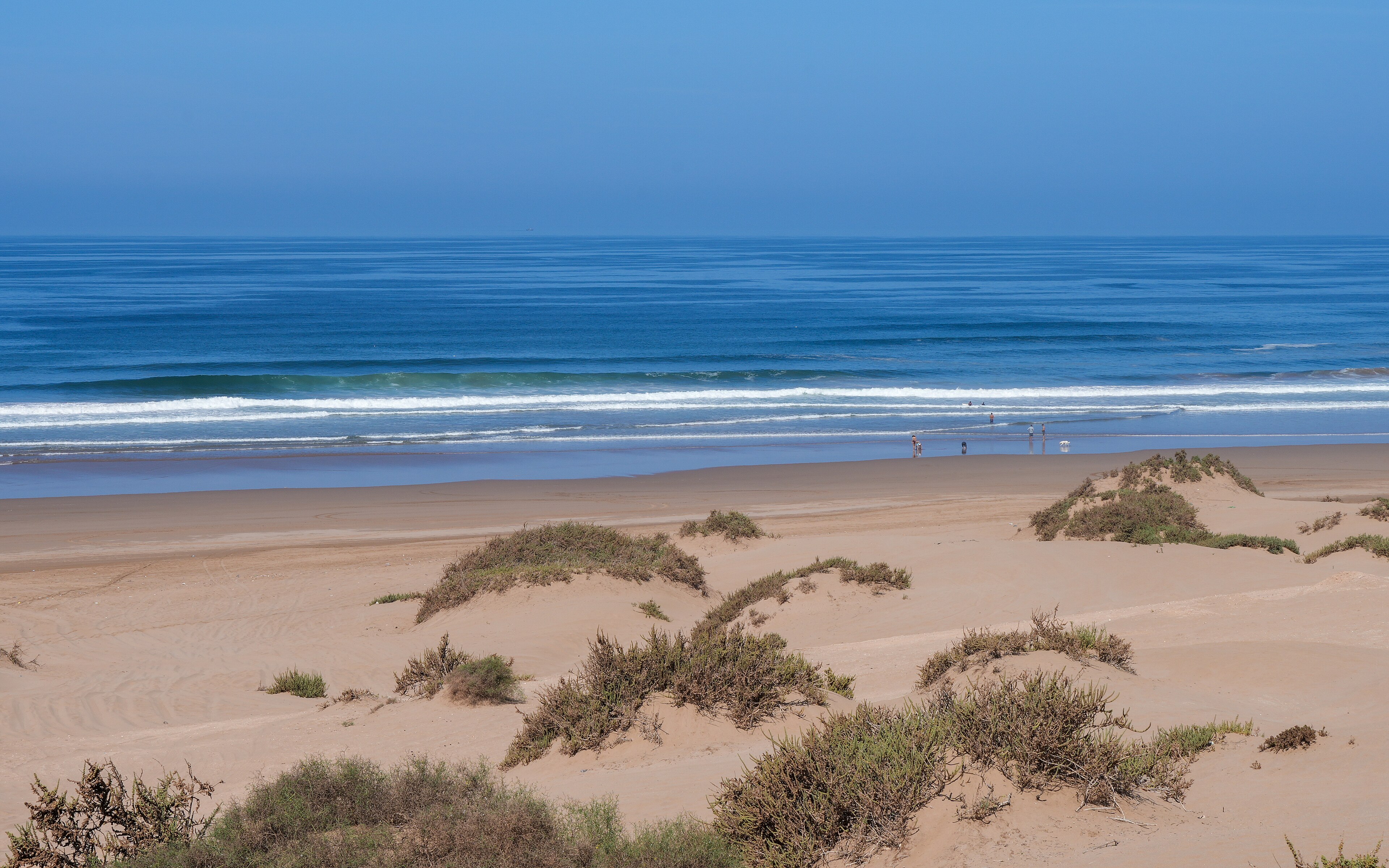
Imperial Cities, Atlas Peaks and Saharan Dunes
Morocco is a kingdom in the far north-west of Africa, known for its imperial cities, the Atlas mountains, long Atlantic and Mediterranean coastlines and the edge of the Sahara. It is a country of dramatic range: within a few hours' travel a visitor can move from the souks of Marrakech to the snow-capped Atlas, where Toubkal, at 4,167 metres, is the highest peak in North Africa, and on to the apricot dunes of Erg Chebbi near Merzouga. Arab, Amazigh, Andalusian and French influences meet here, and the result is a culture that feels both deeply rooted and warmly hospitable.
The imperial cities are the heart of the story. The medina of Fes, inscribed by UNESCO in 1981, is a labyrinth of lanes, madrasas and artisan workshops often described as the largest car-free urban area in the world, while Marrakech, inscribed in 1985, centres on the Jemaa el-Fnaa square, where storytellers, musicians and food stalls gather each evening. Meknes and Rabat complete the royal quartet. Visitors who want to see how the Islamic world shaped Europe can link this journey with Andalusia and Cordoba just across the Strait of Gibraltar.
Riads, Tagines and Blue-Washed Chefchaouen
Stays here have a character all their own. Riads, traditional houses built around a courtyard garden, offer quiet rooms behind the busy medina walls, with rooftop terraces for breakfast and sunset. Marrakech adds the Majorelle Garden, with its cobalt-blue buildings and cacti, and the Atlas foothills offer lodges and kasbah-style hotels. Further north, Chefchaouen, set in the Rif mountains, is famed for lanes washed in shades of blue, and Essaouira, a walled Atlantic port inscribed by UNESCO in 2001, is a breezy favourite for artists and kitesurfers.
Food is a reason to travel in itself. Slow-cooked tagines with preserved lemon and olives, lamb with prunes and almonds, pastilla with its sweet and savoury layers, and Friday couscous all appear on menus, with sweet mint tea poured from a height. In the desert, camel treks and nights in Berber-style camps beneath a field of stars have become a signature Moroccan experience. For a tourist board or travel brand, Morocco's range of landscapes and flavours makes a rich canvas, and nearby Casablanca makes a practical, polished arrival point.
Seasons, Surf Towns and Easy Connections
Spring and autumn are the most popular seasons, with warm days across the cities and clear mountain air, while winter brings snow to the High Atlas and sunny weather on the Atlantic coast. Agadir and the surf village of Taghazout draw beach and wave lovers through much of the year, and the Sahara is at its most comfortable from autumn to spring. Many first-time visitors plan a circuit of the cities of Marrakech and Fes, with a night in the desert, and add a few days on the coast at Essaouira.
Morocco is well connected to the UK, with direct flights from several British airports to Marrakech, Agadir, Casablanca and other cities, typically a little over three hours. Fast trains link Casablanca, Rabat and Tangier, and roads climb through the Atlas to the desert. A name like YourMorocco.co.uk gives hotels and airlines a clear home for this wide offer. For a wider journey, combine Morocco with Spain and the Canary Islands, or follow the ancient trade routes east to Tunisia and Cairo.
Riads, Kasbahs and Desert Camps Compared
Choosing where to stay is half the fun of Morocco. In Marrakech, riads in the medina give courtyards, plunge pools and rooftop breakfasts, while the Palmeraie and the Agafay edge offer villas and resort-style retreats for families and groups. Fes riads are quieter and more historic, with carved plasterwork and tiled fountains. Chefchaouen has small blue guesthouses perfect for couples, and Tangier brings boutique hotels with Strait views and an artistic mood. Essaouira's seafront riads are favoured by walkers, kitesurfers and creatives, and Casablanca and Rabat offer polished city stays for business and culture.
Landscape stays add variety. In the High Atlas, lodges around Imlil and the Ourika valley suit hikers, while kasbah-style hotels in Skoura, Ouarzazate and the Draa valley give a film-set atmosphere among date palms. At Merzouga, luxury tented camps with proper beds and private bathrooms sit among the dunes of Erg Chebbi, and on the coast Agadir and Taghazout have beach resorts and surf houses for families and active travellers. Golfers will find championship courses in Marrakech and Agadir. A hotel group can use this range to tell a single country story, from city riad to desert camp, with ease.
Argan Oil, Zellige Tiles and Festival Nights
Morocco's table and craft traditions are as varied as its landscapes. Rfissa, a chicken dish served over shredded pancakes, couscous on Fridays, fresh khobz bread and olives are everyday joys, while amlou, a spread of argan oil, almonds and honey, is a breakfast treasure from the south-west. Oranges, dates and pomegranates fill the markets, and orange blossom water scents desserts and pastries. Craftspeople work in every medina: Fes potters and tanners, Marrakech leatherworkers and lantern makers, Essaouira woodcarvers using thuya wood, and Berber weavers in the Atlas producing rugs in rich reds and creams.
The calendar is lively. Essaouira's Gnaoua and World Music Festival fills the seafront in June, Fes hosts its Festival of World Sacred Music, and Marrakech's film festival draws international guests in winter. Spring brings the Rose Festival in the Dades valley, the almond blossom at Tafraoute lights up the Anti-Atlas in February, and Erfoud celebrates the date harvest in autumn. Architecture lovers can compare the Almohad Koutoubia minaret, the Saadian Tombs and the Bahia Palace in Marrakech with the Bou Inania Madrasa in Fes. Spring and autumn suit the cities, winter suits the coast and desert, and summer is ideal for the Atlantic breezes of Casablanca and Essaouira.
Hiking Toubkal, Surfing Taghazout and Sahara Nights
Morocco is a natural playground. Hikers can trek from Imlil towards the Toubkal refuge on guided routes, while gentler walks lead through Berber villages in the Ourika valley and beside the cascades near Setti Fatma. The Todra and Dades gorges offer dramatic cliffs and climbing, and cyclists enjoy quiet lanes through the Draa valley palm groves. Surfers love Taghazout and the breaks near Imsouane, while Essaouira and Dakhla draw kitesurfers and windsurfers. In Marrakech, a dawn hot-air balloon flight over the palms and the Atlas is a popular treat, and hammams and spas make an ideal rest day after the mountains.
Day trips and add-ons are easy to build. From Marrakech, visitors reach Ait Benhaddou, the fortified village inscribed by UNESCO in 1987 and a famous film location, in a long, scenic day, or stay overnight on the way to the dunes. From Fes, Volubilis, Meknes and the cedar forests of Ifrane are close by. A tourist stay can be built around a theme, such as cuisine, hiking, wellness or craft, and each can be presented as a separate week. Morocco links neatly with the Algarve, Malta and Turkey for travellers wanting a wider Mediterranean journey.
Planning your stay
Marrakech is the main draw, with its medina, Jemaa el-Fna square and riads, and it is the base for trips to the Atlas Mountains. Casablanca is Morocco's largest city and economic hub, with the Hassan II Mosque. Fez has the oldest medina, and Essaouira and Agadir offer Atlantic beaches and a cooler, windier climate.
The Sahara and the Atlas mountains are reached by organised tours, and Morocco is also linked by flights to Tunisia and Cairo for travellers who combine North African destinations.
When to go
Spring and autumn are the best seasons for most of the country, with comfortable days for the cities and the mountains. Summer is very hot inland, particularly in Marrakech and the desert, while winter can be cold in the Atlas, with snow. The coast stays milder in summer.
Ramadan next starts in February 2027, and daytime restrictions on eating and drinking in public can affect opening hours and services.
Before you travel
Entry requirements and official travel guidance are updated regularly, so check the latest position with your government before booking. The sources we used are listed at the foot of this page.
Entry rules
To enter Morocco, your passport must have an expiry date at least three months after the date you arrive, and it must not be damaged, because the Moroccan authorities have denied entry to some travellers with damaged passports. UK visitors can visit without a visa for up to 90 days for tourism, and border officials should stamp your passport when you enter. Some travellers have had difficulty leaving because their passport lacked an entry stamp.
Questions travellers ask about Morocco
Do UK citizens need a visa for Morocco?
No, for up to 90 days for tourism. Your passport must have an expiry date at least three months after you arrive and must not be damaged. Make sure officials stamp your passport on entry.
What is Morocco best known for?
Morocco is best known for its imperial cities, notably Marrakech and Fes, the souks and riads of their medinas, the Atlas mountains and the Sahara dunes at Merzouga. Tagines, mint tea, blue Chefchaouen and the Atlantic port of Essaouira are also much loved.
How long is the flight to Morocco from the UK?
Direct flights from the UK to Marrakech, Agadir and Casablanca typically take a little over three hours, depending on the departure airport. This makes Morocco practical for a long weekend as well as a full circuit of the imperial cities.
Where should I stay in Morocco for a first visit?
A riad in the Marrakech medina is the classic first stay, followed by a night or two in a Fes riad and a desert camp near Merzouga. Add Essaouira or Agadir for sea air. Each style of stay offers a different side of the country.
What food should I try in Morocco?
Try slow-cooked tagines, couscous on Friday, pastilla, harira soup and rfissa, with fresh bread, olives and sweet mint tea. Look for argan oil and amlou at breakfast in the south-west, and almond pastries with orange blossom in the cities.
In the Visit Travel Group portfolio: YourMorocco.co.uk.