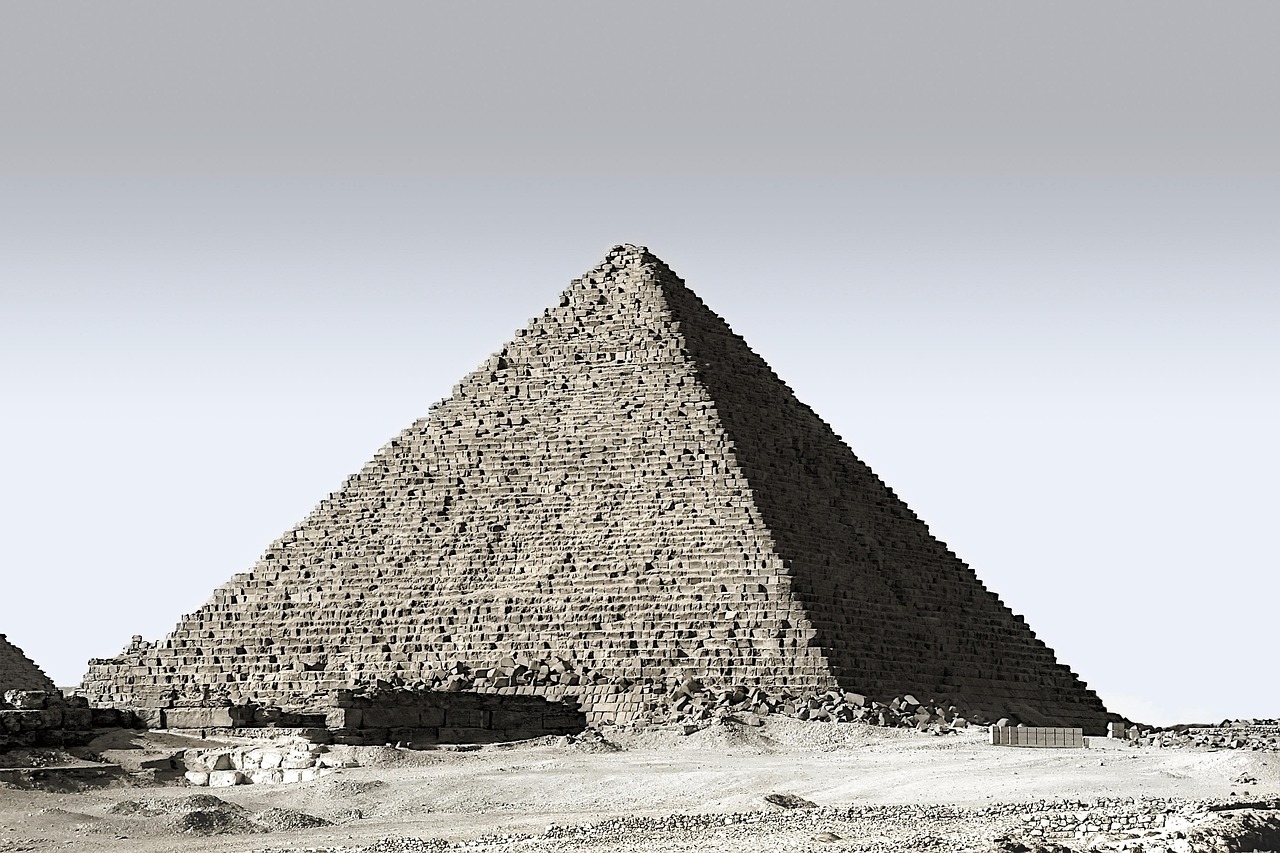
Where the Pyramids Meet a Living Capital
Cairo is the capital of Egypt, a vast Nile-side city best known as the gateway to the pyramids of Giza and for one of the richest concentrations of Islamic, Coptic and Pharaonic heritage anywhere. It was founded in 969 by the Fatimid dynasty, and its historic core was inscribed by UNESCO as Historic Cairo in 1979. The Nile curls through the centre, separating the island district of Zamalek from the busy downtown and the older quarters to the east. At dawn the call to prayer rolls across the rooftops, and by late afternoon the river fills with white-sailed feluccas drifting towards the sunset.
Giza lies on the western edge of the city, where the Great Pyramid of Khufu, the Pyramid of Khafre and the Sphinx stand on the plateau, close to the Grand Egyptian Museum. In the city itself, the Egyptian Museum in Tahrir Square is a landmark of early twentieth-century Cairo, while the Citadel of Saladin and the Mosque of Muhammad Ali crown a hilltop of domes and minarets. Travellers often pair the capital with the Red Sea coast, and the region links naturally with Jeddah and Dubai for a longer Middle Eastern journey.
Khan el-Khalili, Koshari and Al-Muizz Street
The old city is a place to wander slowly. Al-Muizz Street, in the Fatimid quarter, is lined with mosques, madrasas and gateways from the medieval centuries, and glows after dark when the lanterns come on. Nearby, Khan el-Khalili, a bazaar that dates to the Mamluk era, is a maze of copper, spices, perfume bottles and hand-stitched leather. Fishawy's coffeehouse, long a meeting place for writers and artists, is the traditional spot to pause for mint tea and a sheesha, and the nearby Al-Azhar Mosque anchors a district that has been a centre of learning for more than a thousand years.
Cairo eats generously. Koshari, a street-food classic of rice, lentils, pasta, crispy onions and spiced tomato sauce, is the city's signature dish, while ful medames and ta'ameya, the local falafel made with fava beans, fill breakfast tables. Om Ali, a warm pudding of pastry, milk and nuts, closes many evenings. Coptic Cairo adds another layer, with the Hanging Church and narrow lanes of early Christian heritage. For a airline building a route story, the city offers an unusually easy first chapter: culture, food and history within a few kilometres.
Seasons, Saqqara and the Road to the Nile
The cooler months from October to April are the most comfortable for sightseeing, with bright, clear days over the plateau and pleasant evenings on the river. Day trips extend the story beautifully: Saqqara, with the stepped pyramid of Djoser, and the ancient capital of Memphis lie a short drive south, and Dahshur adds the Bent Pyramid and the Red Pyramid. Many visitors spend their first days in Cairo and then fly on to Luxor and Aswan for a Nile cruise, a classic route that pairs the capital with Upper Egypt.
Cairo International Airport is the country's main hub, with regular direct services from London and many other European cities. Hotels stand along the Nile, in Zamalek and Garden City, and around the Giza plateau, where some rooms look straight towards the pyramids. A name like VisitCairo.co.uk gives tourism partners one clear home for the whole Egypt story. Beyond the capital, the wider region rewards onward travel to Morocco, Turkey and Saudi Arabia, each with its own ancient cities and its own table.
Where to Stay from Zamalek to Giza
Cairo rewards travellers who choose a neighbourhood before a hotel. Zamalek, the leafy island in the Nile, suits couples and culture seekers, with galleries, cafes and river views a short ride from the Egyptian Museum. Garden City and downtown offer grand early twentieth-century buildings and terraces over the water, while Maadi, a calm southern suburb of tree-lined streets, appeals to families who want easy cafes and green space. Heliopolis, with its arcaded avenues and domed apartment blocks, gives a quiet, historic base. Boutique guesthouses in Islamic Cairo put guests beside the lantern-lit lanes, ideal for travellers who want to wake up inside the old city.
Giza is the choice for first-timers who want the pyramids at breakfast. Hotels along the plateau edge have rooftop terraces and rooms that look towards the Great Pyramid, close to the Grand Egyptian Museum. Luxury travellers favour grand Nile-side properties with spas and pools, while groups and families find resort-style hotels with gardens. Many guests split a stay, two nights near the pyramids and two in Zamalek or Garden City. A booking platform can show these areas side by side, with pyramid views, river views and old-city character each clearly described, so every traveller finds the right Cairo.
Fatta, Fanous Lanterns and the Cairo Calendar
Beyond koshari, Cairo's table is a long, generous feast. Fatta, layers of rice, crisp bread and garlicky tomato sauce topped with tender meat, is the dish of celebration, while molokhia, a silky green soup, and hamam mahshi, pigeon stuffed with spiced rice, appear in family restaurants. Sweet kunafa and basbousa are served with strong Egyptian coffee, hibiscus karkade is poured cold on warm days, and fresh sugar cane juice is pressed at street corners. Khan el-Khalili's workshops turn out brass lamps, inlaid mother-of-pearl boxes and glass perfume bottles, and the Tentmakers' Street near Bab Zuweila sells hand-stitched appliqué cloth.
Culture fills the calendar. The Cairo Opera House stages ballet, concerts and Arabic music throughout the season, and the Cairo International Book Fair draws readers each winter. Ramadan evenings bring painted fanous lanterns, lit streets and late-night gatherings, while Coptic Christmas in January and the springtime festival of Sham el-Nessim add colour. Architecture lovers can trace the Ibn Tulun Mosque, the Sultan Hassan complex and the Al-Azhar Park skyline on a single weekend. October to April is the sweet spot, with long clear days, while the warmer months suit early starts and cool museum afternoons, with evenings by the river a pleasure year-round.
Sunrise Rides, Fayoum Lakes and Alexandria by Rail
Cairo is a city for early risers. Horse and camel rides across the Giza plateau at sunrise, felucca sails from Garden City at dusk and sound and light evenings at the pyramids give the days a rhythm. Families enjoy Al-Azhar Park, a hilltop garden with views over the old city, and the Pharaonic Village on the Nile. Wellness seekers can book a traditional hammam or a spa day in a riverside hotel, while history lovers can follow trails through Coptic Cairo, the Citadel and the museums. Cyclists and walkers enjoy the Nile corniche in the cooler months, and photographers love the golden hour over the domes.
Day trips widen the picture. The Fayoum oasis, an hour or so south-west, has Lake Qarun, the waterfalls of Wadi El Rayan, the potters of Tunis village and Wadi El Hitan, the whale valley inscribed by UNESCO in 2005. Alexandria is reached by train in about two and a half hours, with its seafront, the Bibliotheca Alexandrina and Qaitbay Citadel on the Mediterranean. Travellers extending the journey can link Cairo with Abu Dhabi, Turkey or Malta, and a stay built around three bases, pyramids, river and coast, makes a rich, well-paced week.
Planning your stay
Cairo works best when you split it into districts. Giza has the pyramids and the Grand Egyptian Museum, Islamic Cairo has the mosques, citadel and Khan el-Khalili bazaar, Coptic Cairo has the oldest churches, and Zamalek and Downtown have the hotels, cafes and river views. Traffic is heavy, so plan each day around one area rather than crossing the city repeatedly.
Many UK visitors pair Cairo with a Nile cruise to Luxor and Aswan, or with a Red Sea resort. Egypt sits in the same African group as Casablanca, Tunisia, Rwanda and the Eastern Cape, and our Morocco guide covers the western end of the Arab world.
When to go
The cooler months, roughly October to April, are the most comfortable for walking sites in the open, and they are also the busiest. Summer in Cairo and further south is extremely hot, so start early and keep the middle of the day for museums and hotels with air conditioning.
British Airways flies non-stop from Heathrow to Cairo in about 4 hours 50 minutes. Ask your hotel or guide to arrange pyramid visits for early morning, and book tickets for the major museums ahead where you can, because queues build quickly.
Entry rules and visas
You do not need to buy a visa from an agent. A visa-free entry stamp applies only to short stays at the Sinai resorts of Sharm El Sheikh, Dahab, Nuweiba and Taba, so it does not cover a Cairo trip.
Before you travel
Entry requirements and official travel guidance are updated regularly, so check the latest position with your government before booking. The sources we used are listed at the foot of this page.
Why Cairo matters to the industry
Cairo is a gateway city that travellers research in detail, from visa routes to which regions are open. On VisitCairo.co.uk, a tourist board, hotel group or airline can keep visa routes and regional advice current, and our AI platform relays that to travellers asking before they book.
Browse the other destination guides, or see how booking platforms use this content on our OTA page.
Questions travellers ask about Cairo
Do UK citizens need a visa for Egypt?
Normally yes. You can buy a visa on arrival for 30 US dollars in cash at approved airports, or get an e-visa in advance. Visa-free entry only applies to short stays at certain Sinai resorts. Egypt also wants six months left on your passport and a spare page.
When is the best time to visit Cairo?
October to April is cooler and the most comfortable for sightseeing. Summer is extremely hot.
How long is the flight from London to Cairo?
About 4 hours 50 minutes non-stop with British Airways from Heathrow. Schedules vary by airline and season, so check with your carrier.
What is Cairo best known for?
Cairo is best known for the pyramids of Giza and the Sphinx, the museums holding Egypt's ancient treasures, and Historic Cairo, a UNESCO World Heritage Site since 1979. It is also loved for Khan el-Khalili bazaar, Nile felucca rides and dishes such as koshari.
When is the best time to visit Cairo?
October to April is the most comfortable period, with clear skies and mild days that suit the pyramids, the Citadel and long walks through the old city. Evenings by the Nile are particularly pleasant through the winter months.
Where should couples stay in Cairo?
Couples often choose Zamalek or Garden City for Nile views, galleries and cafes within easy reach of the museums. For a more romantic, historic mood, a boutique guesthouse in Islamic Cairo or a rooftop room near the Giza plateau offers sunset views over the pyramids.
What are the best day trips from Cairo?
Saqqara and Dahshur suit pyramid lovers, the Fayoum oasis offers lakes, waterfalls and pottery villages, and Alexandria is about two and a half hours by train for Mediterranean views and the Bibliotheca Alexandrina. Each works well as a full day.
In the Visit Travel Group portfolio: VisitCairo.co.uk.