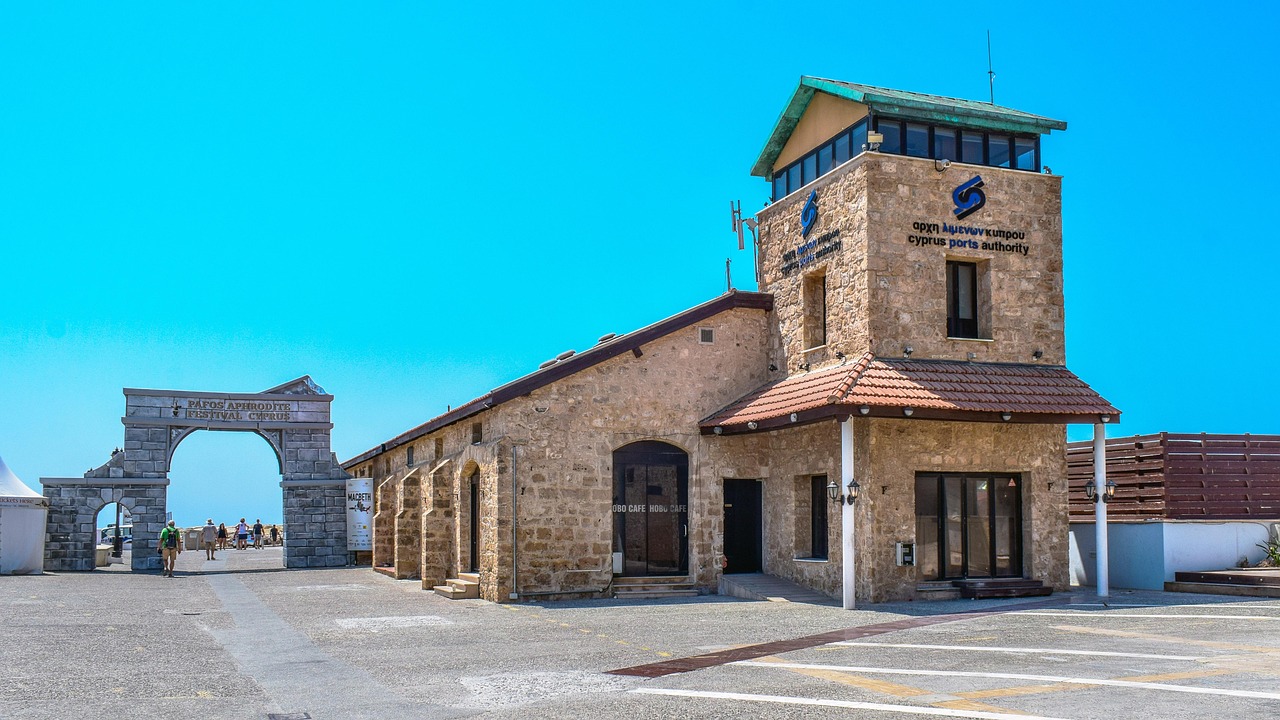
Aphrodite's Coast and a Living Archaeological Park
Paphos is a coastal city and district on the south-west shore of Cyprus, known for its Roman mosaics, its UNESCO-listed ancient sites and its legendary link to Aphrodite, the goddess of love. The old town and harbour of Kato Paphos sit inside an archaeological park, where the mosaic floors of the House of Dionysus and neighbouring villas glow with scenes of myth and hunting. The wider Paphos area was inscribed as a UNESCO World Heritage Site in 1980, and the city was a European Capital of Culture in 2017.
The legend gives the coastline its romance. At Petra tou Romiou, a cluster of pale sea stacks off the road to Limassol, Aphrodite is said to have emerged from the foam, and visitors still come at sunset to watch the light settle on the water. Close to the harbour, the small medieval fort guards the quay, while the Tombs of the Kings, carved into rock above the sea, give a quieter, more reflective hour. Travellers exploring the wider Mediterranean often find that Paphos packs more layers of history into a short stroll than almost anywhere.
Wine Villages, Turtle Beaches and Meze Tables
Beyond the ruins, the district is a landscape of terraces and slow food. Inland, the foothills of the Troodos mountains hold villages where vines climb the slopes and traditional wineries pour Commandaria, the sweet dessert wine that is among the oldest named wines still made. On the table, expect a long meze of grilled halloumi, souvlaki, koupepia, fresh salads and olives, ending with loukoumades dripped in honey. Cyprus shares culinary ground with Turkey and Malta, yet its own flavours, citrus, herbs and local cheeses, are unmistakably its own.
For beaches, Coral Bay and the sandy coves around Lara Bay give the area its sunbathing reputation, and Lara is known as a nesting place for green and loggerhead turtles. North of it, the Akamas peninsula offers walking trails, the Baths of Aphrodite and the clear waters of the Blue Lagoon, reached by boat. A tourist board can use this mix of beaches, heritage and wine country to speak to couples, families and active walkers within one coherent story.
Best Months and Easy Ways to Arrive
Paphos enjoys a long season, and many visitors favour spring and autumn, when the days are warm, the countryside is green or golden and the sea is welcoming. Winter brings mild, sunny breaks well suited to walking and cultural touring, while summer is the classic beach season. The Paphos Aphrodite Festival, a long-running summer opera event staged at the medieval fort, and the autumn wine festivals add a cultural calendar. Many guests combine Paphos with a day in the Troodos hills or a drive east towards Limassol.
Paphos has its own international airport, which makes arrival simple for UK visitors and for guests travelling across Europe. From there, hotels cluster around Kato Paphos, Universal and Coral Bay, with quieter villas and boutique stays in the hills. A name like VisitPafos.co.uk gives airlines and hotels one clear home for that whole story. Guests looking for another sun-filled Mediterranean island can pair it with the Balearic Islands or Sicily in the same season.
Choosing Between Harbour, Beach and Hillside
Paphos rewards a little thought about where to base yourself. Kato Paphos puts the harbour, the archaeological park and a long line of waterfront restaurants on your doorstep, which suits culture seekers and first-time visitors who like to walk everywhere. The resort strip around Universal and Tombs of the Kings offers larger beach hotels with generous pools, children's clubs and spa facilities, a natural choice for families and groups who want everything in one place.
Further afield, the options widen. Coral Bay and Peyia attract guests who want a sandy bay, a relaxed village feel and easy access to the Akamas trails. Aphrodite Hills, near Petra tou Romiou, is a destination golf and spa resort with a championship course and villas, while the hills above hold restored stone houses and small agrotourism guesthouses for couples seeking quiet. Polis and Latchi, on the north-west coast, suit walkers, boat trips and anyone who prefers a traditional fishing-village pace.
Halloumi, Kleftiko and the Island Festival Calendar
Cypriot cooking in the Paphos district is generous and rooted in the land. Look for kleftiko, lamb cooked slowly in a sealed clay oven until it falls from the bone, and afelia, pork simmered with coriander seed and red wine, along with sheftalia, grilled halloumi and fresh lemons from the groves. Breakfast tables carry local honey, yoghurt and carob syrup, and a Cypriot coffee, thick and sweet, rounds off any lunch. The wine villages of Vouni Panayia and Kathikas open their cellars to visitors in the harvest weeks.
Tradition is visible in the crafts. Lefkara-style lace, pottery from the village of Foini, basketry and carved wooden items fill the shops of the old town and the hill villages, and church painting in Byzantine style is still practised. Spring brings wildflowers and Easter celebrations, while Kataklysmos in early summer fills the harbour with boat races and music. September and October bring grape harvests and village festivals, and December adds a gentle winter calendar of concerts at the old town venues.
Trails, Dive Sites and Troodos Day Trips
Active guests are well served. The Akamas peninsula has marked walking routes such as the Aphrodite Trail and the Adonis Trail, with sea views, juniper and wild herbs underfoot, while cyclists enjoy the quiet roads of the foothills. Dive centres at Coral Bay and Paphos harbour run lessons and boat dives over reefs, sea caves and a few wrecks, with clear water that suits beginners. Boat trips along the Akamas coast reach hidden coves and the Blue Lagoon, and sailing days can be arranged from the marina.
Day trips make a short stay feel much richer. The Troodos mountains lie within a ninety-minute drive, with painted churches, the Kykkos monastery and cool pine forest, and the coast road east leads to the ancient theatre at Kourion near Limassol. Guests who like a wider Mediterranean itinerary can add Malta, Sicily or Turkey by air, or continue across Europe, and a airline partner can package Paphos as the sunny anchor of a multi-island route that mixes beaches, hills and history.
Planning your stay
Paphos is in the Pafos district on the western side of Cyprus, and its airport, near Timi, is one of the island's two main gateways for UK visitors. The area combines a harbour town, beach resorts, villages and hills, and suits both couples and families who want a long, warm season. British Airways lists the London to Paphos flight at 4 hours 30 minutes.
Cyprus sits in the eastern Mediterranean, close to the Turkish coast of Türkiye and the Greek islands, including Paros, Folegandros and Mykonos. Those islands are very different in scale, and a stay in Cyprus is more of a single-base resort holiday.
When to go
Spring and autumn are comfortable for walking, sightseeing and swimming, while summer is hot and busy. Winter is mild but can be wet, and some seasonal businesses reduce their hours, so check ahead if you travel in the cooler months.
Follow the advice of local authorities and emergency services, and avoid anything that could start a fire in dry vegetation.
Entry rules: Cyprus is not in Schengen
UK visitors can travel without a visa to Cyprus for up to 90 days, and at the border you may need to show a return or onward ticket and prove you have enough money for your stay.
Cyprus is not part of the Schengen area, so visits to Cyprus do not count towards your Schengen 90-day limit, and Schengen visits do not count towards the Cyprus limit. It advises making sure your passport is stamped on entry and exit, and says overstaying could lead to a stop list and refusal of entry for up to five years.
Before you travel
Entry requirements and official travel guidance are updated regularly, so check the latest position with your government before booking. The sources we used are listed at the foot of this page.
The north of Cyprus
The island is divided by the Green Line, and the British government does not recognise the self-declared Turkish Republic of Northern Cyprus.
Questions travellers ask about Paphos
What is Paphos best known for?
Paphos is best known for its UNESCO-listed archaeological sites, including the Roman mosaics of the House of Dionysus and the Tombs of the Kings, and for the legend of Aphrodite at Petra tou Romiou. It also offers beaches, Commandaria wine and Cypriot meze.
When is the best time to visit Paphos?
Spring and autumn are popular for warm days and comfortable sightseeing, while summer suits beach holidays and winter offers mild, sunny walking weather. The Aphrodite Festival adds a cultural highlight in the summer months.
Where should couples stay in Paphos?
Couples often choose boutique hotels in the old town of Kato Paphos for harbour evenings, or the quiet hills above Coral Bay and the Aphrodite Hills area for spa breaks and golf. Hill villages offer restored stone houses with views and a slower rhythm.
What can I do in Paphos on a cooler winter day?
Winter days suit walking the Akamas trails, exploring the mosaics and Tombs of the Kings, driving to Troodos villages and monasteries, or enjoying a long meze lunch. Many hotels also offer spas and indoor pools for restful afternoons.
In the Visit Travel Group portfolio: VisitPafos.co.uk, VisitPaphos.co.uk.