Where Painters Chased the Light of the Cote d'Azur
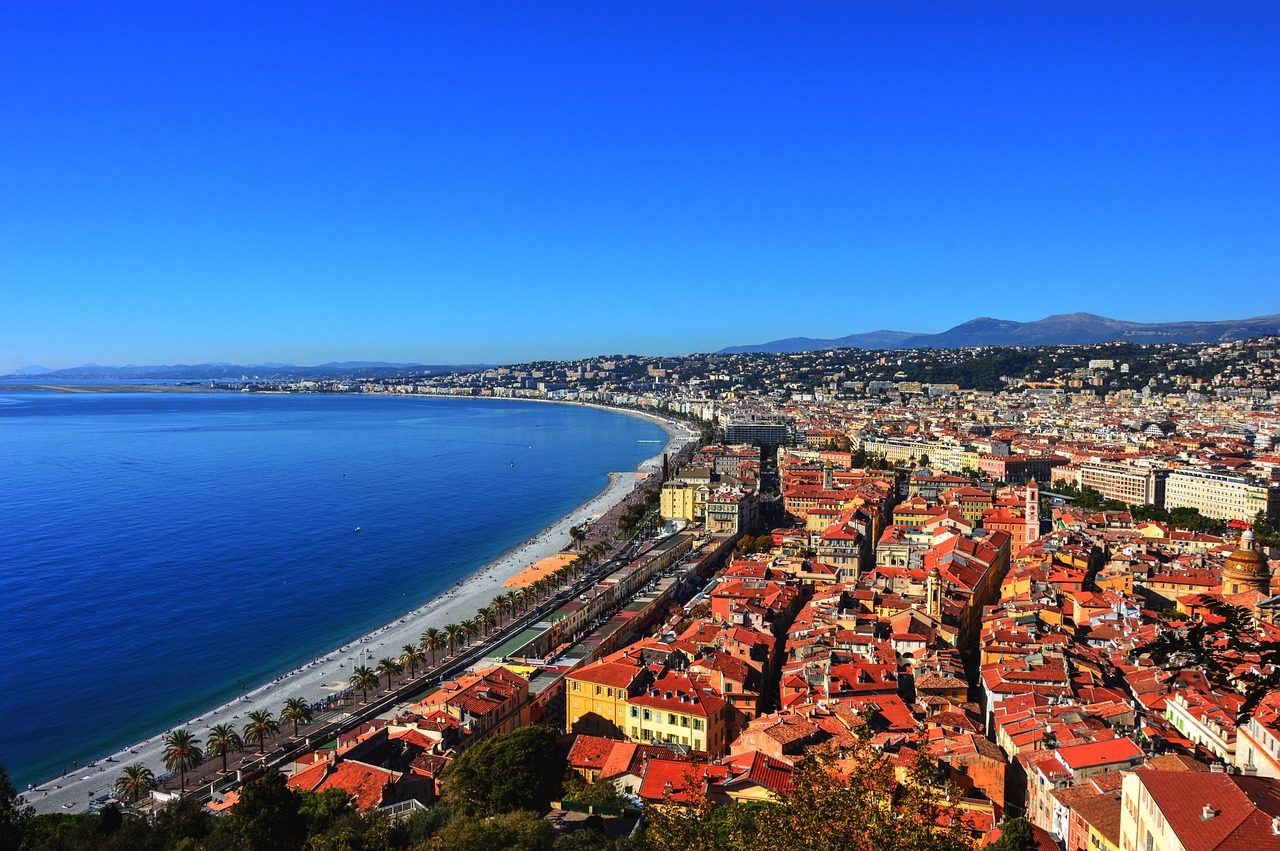
The French Riviera, also called the Cote d'Azur, is the Mediterranean coastline of south-eastern France, stretching from the Hyeres area to Menton near the Italian frontier. It is known for its sunlit beaches, belle epoque hotels, glamorous marinas and a long association with artists, writers and film. Nice, its largest city, curves around the Baie des Anges, and its Promenade des Anglais, lined with palms and pale blue chairs, is one of the great seafront walks. In 2021 UNESCO inscribed Nice as the Winter Resort Town of the Riviera.
The light is the draw for painters. Matisse, Picasso, Chagall, Renoir and Cocteau all worked along this coast, and their legacy fills galleries in Nice, Antibes, Vence, Saint-Paul-de-Vence and Biot. Cannes, home of the international film festival each May, brings red-carpet glamour to La Croisette, while Antibes pairs a Picasso museum with a handsome old port. Inland, Grasse is the historic perfume capital, and its perfumery craft was added to UNESCO's intangible heritage list in 2018.
Eze, Cap Ferrat and Markets Full of Flavour
Beyond the big names, the coast reveals a rich mixture of villages and headlands. Eze perches above the sea, its stone lanes climbing to an exotic garden, and Cap Ferrat offers the pastel Villa Ephrussi de Rothschild and quiet coves. Villefranche-sur-Mer's old harbour is among the prettiest on the Mediterranean, and Menton, near the Italian frontier, is famed for its lemons and a winter festival in their honour. Between them, the coastal paths and corniche roads give some of the great drives of Europe.
Food follows the sun: salade nicoise, socca chickpea pancakes, pissaladiere, fresh sea bass and the fish stew bouillabaisse, with Provencal rose to match. The flower market on Cours Saleya in Nice is a morning ritual. Neighbouring destinations add range: St Tropez to the west for beach-club glamour, Marseille for urban energy and Corsica by ferry or short flight. A hotel group could use the coast to show how art, food and seafront ease combine in one stay.
When to Go and How to Arrive
Spring and early autumn are the most comfortable seasons for walking, gardens and gallery visits, with warm sea in summer and mimosa, lemons and festivals marking the winter calendar. May brings the Cannes Film Festival and the Monaco motor-sport weekend nearby, while July and August are the beach peak. The Riviera's compact geography makes it easy to combine coast, hill villages and city days, and local trains run along the shoreline between the main towns.
Nice Cote d'Azur airport is the main gateway, with frequent flights from the UK, and Cannes, Antibes, Monaco and Menton are reached by rail or road within the hour or so. The coast links easily to Italian neighbours Liguria, San Remo and Portofino to the east, so a cross-Riviera route is simple to plan. A name like TheFrenchRiviera.co.uk gives tourist boards and airlines a single home for the whole Mediterranean story, from Nice's seafront to the quiet villages above.
Palace Hotels, Hilltop Villages and Where to Stay
The Riviera's best stays follow its personalities. Nice suits first-time visitors and culture seekers, with belle epoque hotels on the Promenade des Anglais and boutique addresses in the old town and the Carre d'Or. Cannes is polished and festival-minded, Antibes and Juan-les-Pins are relaxed and family-friendly, and Cap Ferrat and Beaulieu-sur-Mer have the grand, discreet feel of a villa coast. Couples seeking romance will find small hotels in Villefranche-sur-Mer, steps from the water, with candlelit terraces over one of the Mediterranean's loveliest bays.
Inland, the hill villages of Eze, Saint-Paul-de-Vence, Mougins and Vence offer converted farmhouses and stone inns among olive groves, with swimming pools and views to the sea, a favourite for slow-travel guests and larger groups. Menton, near Italy, has a gentler, old-fashioned charm and a mild climate, and the Esterel coast to the west suits walkers and families. Golfers will find courses near Mougins and Biot. A hotel group could combine a coastal palace with a hilltop villa, and the route extends east to San Remo in Italy.
Socca, Perfume and the Riviera's Festival Calendar
Beyond the famous dishes, the Riviera table is a seasonal delight. Try ratatouille, farcis niçois, stuffed vegetables, tourte de blettes, a sweet Swiss chard pie, daube provencale and fougasse bread, with olive oil from Nice's own small olives and the wines of Bellet as part of regional heritage. Coffee is taken on a terrace, and the sweet candied fruit of Nice, a tradition of the old town, makes a good gift. Perfume workshops in Grasse and the pottery of Vallauris continue crafts that painters and designers have loved for generations.
The year offers a procession of events. Nice's Carnival and Menton's Lemon Festival fill February with parades, mimosa blooms around Mandelieu in the same season, and the Cannes Film Festival lights May. Summer brings jazz in Juan-les-Pins and Nice, open-air cinema and fireworks, while autumn offers calm sea, harvests and the yachting season at Antibes and Cannes. Museums make wet days easy: the Matisse, Chagall and Picasso museums and the Fondation Maeght are all within reach. Tourist boards can use TheFrenchRiviera.co.uk to show these highlights month by month.
Corniche Drives, Sailing and Day Trips Along the Coast
The Riviera is made for active exploring. Cyclists ride the coast road to Cap Ferrat and the hills behind Nice, walkers follow the Nietzsche Path from Eze down to the sea, and sailing, paddleboarding and diving are available from many harbours, with the Lerins Islands off Cannes a favourite for a boat day. Golf and tennis fill sunny winter days, and the hills behind the coast offer rock climbing in the Gorges du Loup. Wellness travellers will find thalassotherapy centres and spa hotels along the shore.
Day trips are easy by train or car. Monaco and Menton are less than an hour from Nice, Grasse and Saint-Paul-de-Vence lie in the hills, and the Verdon Gorge is a longer scenic drive. Boats from Nice or Cannes reach the islands, and a short flight links the coast to Corsica. Travellers can continue west to St Tropez or Marseille for a fuller Provencal loop, and an airline could showcase Nice in, Marseille out as a flexible route.
Planning your stay
The Riviera is less a single resort than a string of towns along the Mediterranean, from Menton near the Italian border through Nice, Antibes and Cannes towards the Gulf of Saint-Tropez. Each has its own character: Nice is a working city with a long promenade and a lively old town, Cannes is built around its festival and shopping, and the smaller villages behind the coast offer a quieter pace.
To the west, St Tropez and the lagoon village of Port Grimaud sit on a separate peninsula, and Marseille is a distinct, larger city further along the coast. To the east the coast continues into Italy, where Liguria and Sanremo are a short journey over the border.
When to go
July and August are the busiest and hottest months, with the highest prices, full beaches and slow roads along the coast. May, June and September usually offer warm weather with more room, and spring brings events such as the Cannes Film Festival in May, when hotel rates in the area rise sharply. Winter is mild and quiet, and Nice stays open year round, while some beach clubs and smaller restaurants close.
If your clients are planning a first visit, the shoulder months give the best balance of weather and availability. Book early for any week that includes a major event, because rooms across the coast fill quickly.
Getting there and getting around
Nice Côte d'Azur is the main airport for the coast, and flights from London take roughly two hours. Cannes, Antibes and Monaco are within an easy transfer, and a regional train line runs along the coast, which makes it simple to visit several towns without a car. Check timetables, as industrial action can affect rail services.
Driving gives more freedom to reach the hill villages, but coast roads are busy in July and August and parking in the towns is limited. Many visitors use trains and taxis for the towns and hire a car only for the days they want to explore inland.
Entry requirements
A trip to the French Riviera falls under France's Schengen rules, so UK visitors can travel without a visa for up to 90 days in any 180-day period as tourists. For the French Riviera, if you fly into Nice Côte d'Azur, your passport must have been issued less than 10 years before that day and must expire at least three months after the day you plan to leave the Schengen area.
On the way into France for the French Riviera, cash or travellers cheques worth 10,000 euros or more must be declared, including if you land at Nice Côte d'Azur.
Before you travel
Entry requirements and official travel guidance are updated regularly, so check the latest position with your government before booking. The sources we used are listed at the foot of this page.
Why the Riviera matters to the industry
The Riviera is a crowded market in which hotels, villas, airlines and booking platforms all compete for the same visitors, so clear, current answers on seasons, transfers and rules help the partners who publish them. TheFrenchRiviera.co.uk lets a hotel group, tourist board or airline do exactly that, and our AI platform carries the guidance to searchers.
See the wider destination guides for comparison, or our OTA page on how booking platforms use this content.
Questions travellers ask about The French Riviera
How do you get to the French Riviera from the UK?
Most visitors fly into Nice Côte d'Azur, which takes roughly two hours from London. From there, trains, buses and transfers link the coastal towns.
Do UK citizens need a visa for France?
Not for tourist stays of up to 90 days in any 180-day period in the French Riviera. Landing at Nice Côte d'Azur, your passport must be less than 10 years old and valid for at least three months after you plan to leave the Schengen area.
When is the best time to visit the Riviera?
May, June and September combine warm weather with more space than July and August. Check event dates, because hotels fill and prices rise around major festivals.
What is the French Riviera best known for?
The French Riviera is best known for its glamorous beaches and promenades in Nice and Cannes, its artistic heritage from Matisse to Picasso, the Cannes Film Festival, perfume-making in Grasse and picturesque villages such as Eze and Saint-Paul-de-Vence.
When is the best time to visit the French Riviera?
May to June and September offer warm weather, sea access and fewer crowds. July and August are the peak beach season, while spring and winter suit gallery visits, gardens, Menton's lemon festival and mild coastal walks.
Where should I stay on the French Riviera?
Nice suits first visits and culture, Cannes suits festival glamour, Antibes and Juan-les-Pins suit families, and Cap Ferrat suits quiet luxury. Hill villages such as Eze and Saint-Paul-de-Vence offer romantic stays with sea views.
What are the best things to do on the Riviera on a wet day?
Visit the Matisse, Chagall and Picasso museums, the Fondation Maeght at Saint-Paul-de-Vence or a perfume workshop in Grasse. Nice's old town and the covered markets are also lovely for a leisurely, flavourful afternoon.
In the Visit Travel Group portfolio: TheFrenchRiviera.co.uk.