Napoleon's Island and the Jewel of Tuscany
Elba is an island in the Tyrrhenian Sea, off the coast of Tuscany, and the largest in the Tuscan Archipelago National Park. It is the third-largest island in Italy after Sicily and Sardinia, with about 224 square kilometres of granite peaks, pine-scented slopes, vineyards and more than a hundred beaches and coves. Its landscape is unusually varied: sandy bays to the south, rugged cliffs to the west, old iron-mining country in the east and a mountain, Monte Capanne, rising to about 1,019 metres above the sea.
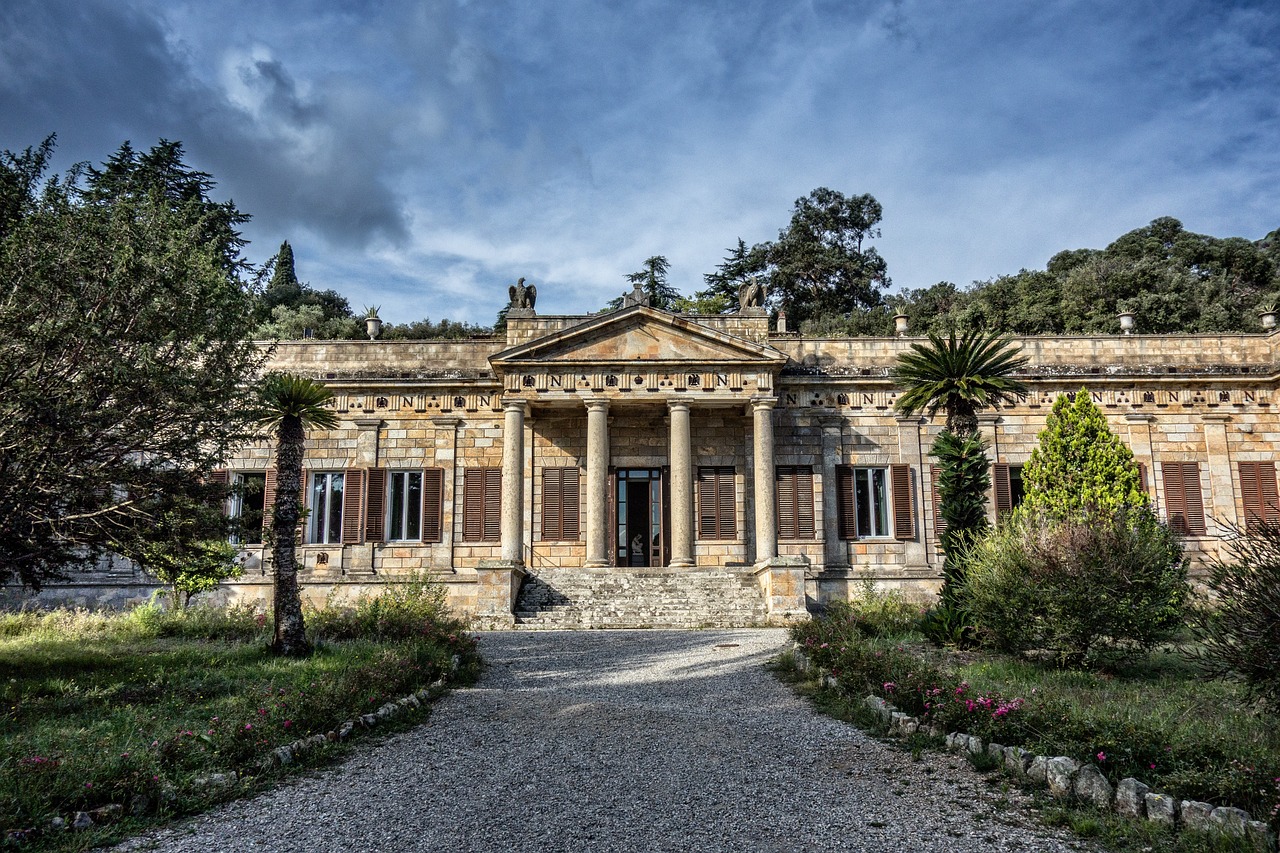
History gives Elba its romance. Napoleon Bonaparte was exiled here in 1814 and ruled the island for about ten months, leaving behind two residences: the Villa dei Mulini in Portoferraio and the countryside Villa San Martino. Earlier, Etruscans and Romans prized Elba's iron ore, and the mines around Rio Marina still tell that story. Today the island blends outdoor life with a gentle Tuscan sense of leisure, and the local sweet Aleatico wine and fresh seafood suppers keep the mood easy and warm.
Sandy Coves, Mountain Cable Cars and Island Tables
Beach choices are generous. Marina di Campo and Procchio offer long, family-friendly sweeps of sand, Fetovaia and Cavoli are loved for their clear water and rocky frames, and Sant'Andrea is a favourite for sunset. Away from the shore, a cable car from Marciana climbs towards the summit of Monte Capanne, rewarding visitors with views across the archipelago and, on clear days, towards Corsica. Walkers, cyclists and sea kayakers all find routes here, and hilltop villages such as Marciana and Capoliveri deliver stone lanes and trattorie.
The table is part of the experience: cacciucco fish stew, stuffed squid, schiaccia briaca, the sweet bread of Elba, and local white wines sit beside simple grilled catch of the day. Elba pairs naturally with a mainland Tuscan stay, from Tuscany itself to Portoferraio, the island's capital and port. A hotel group could showcase Elba as a classic Italian beach holiday with real depth, since history, hiking and swimming-quality coves share one compact island.
Seasons, Ferries and Island-Hopping Links
Late spring to early autumn is the natural window for Elba. June and September bring warm sea and softer crowds, July and August are the liveliest months, and May suits walkers who want wildflowers on the hills. The island is compact enough to be explored by car, bus or scooter, and boat excursions open up smaller coves that road access cannot reach, making every day a choice between a mountain outing and a beach afternoon.
Ferries run to Portoferraio from Piombino on the Tuscan coast, with crossings of roughly an hour, and Piombino is well connected by road and rail to Pisa, Florence and Rome. Travellers who want a bigger Italian loop can add Sardinia or Corsica across the water, or continue to Rome by train. For airlines and boards, a name like ElbaIsland.co.uk offers a clear home for the Elba story, from Napoleon's villas to its beaches.
Choosing Your Corner of the Island
Elba changes character with every coast. Procchio and Marina di Campo suit families, with long, gently shelving beaches, easy services and a lively promenade at Marina di Campo. Porto Azzurro, in the east, is a pretty harbour town beneath a Spanish fortress, ideal for couples who like sailing boats at anchor and evening strolls. Capoliveri, on its hill above the Calamita peninsula, is a stone village with music in the piazza, perfect for travellers who value atmosphere and a choice of wine bars and trattorie within a few steps of their door.
The west is wilder and quieter. Fetovaia, Cavoli and Pomonte appeal to divers, snorkellers and walkers, while Biodola and Scaglieri have a calmer, more polished feel, with resort-style hotels set behind sandy bays. Marciana Marina is a small port with a seafront promenade and an old Pisan tower. Stays range from beach hotels and family campsites to agriturismi among vines and sea-view villas for groups. Elba sits well beside Liguria on a Tyrrhenian route, or beside a spa week in Montecatini Terme, and a hotel group can offer both in one itinerary.
Gurguglione, Island Minerals and Napoleon's Day
Elba's table is built on the sea and the kitchen garden. Gurguglione, a slow-cooked stew of aubergine, courgette and tomato, is the island's own dish, and the local tuna, sardines and anchovies appear in salads and on grilled platters. Honey, sea salt and the sweet Aleatico dessert wine, a long-standing part of island heritage, round off a meal. Elba is also known to geologists and collectors for its minerals, including tourmaline and haematite, and the mining museum at Rio Marina tells the story of the iron that shaped island life.
The island's granite from the western slopes was once carried to the mainland and used in monumental building, a detail that adds depth to a walk through Seccheto and San Piero. The calendar has a few fixed marks: the commemoration of Napoleon's arrival on 3 May 1814 brings costumed parades to Portoferraio, spring is the season of wildflowers and walking festivals, and cycling events fill the roads in the shoulder months. Autumn brings the grape harvest and calm sea. Tourist boards can use ElbaIsland.co.uk to give each season a clear headline.
Hiking, Diving and Island-Hopping Day Trips
Elba is an outdoor island. The Grande Traversata Elbana crosses the heights from east to west, mountain bikers tackle old mining tracks, and kayakers explore the sea caves along the western shore. Divers favour the clear water off Pomonte, where a famous wreck lies on the seabed, and snorkellers find easy reef-like shallows around Cavoli and Fetovaia. Sailing is part of island life, with sailing schools and boat hire in Marina di Campo and Porto Azzurro, and sunset trips under sail make a memorable end to a day.
Boat excursions open the wider Tuscan Archipelago: Giglio and Capraia are within reach, and Pianosa, a low, flat island of rare calm, can be visited on organised trips. On the mainland, Populonia and the Gulf of Baratti combine Etruscan ruins with a sheltered beach, a short hop from the Piombino ferry. A longer Mediterranean loop might add Cinque Terre by road and rail, or Genoa by sea, so an Elba week becomes the island chapter of a wider Italian story.
Planning your stay
Elba is the largest island in the Tuscan Archipelago, a short sea crossing from the mainland. It has sandy bays, granite hills, hill villages and a mining past, and it is best known as the place where Napoleon lived in exile in 1814 and 1815. The main town is Portoferraio, where the ferries arrive and Napoleon's residences stand.
Elba belongs to Tuscany and combines naturally with a mainland trip, with Montecatini Terme and Florence inland. Corsica lies to the west across the water, so it also works as part of an island itinerary.
Ferries and arriving
Most visitors cross from Piombino on the mainland to Portoferraio, a route run by Moby, Toremar and Blu Navy. Elba lies only about 10 kilometres off the mainland at its nearest point, and crossings take roughly 40 minutes to an hour, but you should book vehicle spaces well ahead in July and August, and check the timetable the day before, because bad weather can delay or cancel sailings. Allow time at Piombino for queues.
To reach Piombino from the UK, most visitors fly to Pisa or Florence and continue by train or hire car, so check current routes. If you take a car across, check the ferry's vehicle rules and whether your hire company allows it, because some restrict ferry use.
When to go
On Elba, June and September are the best months, with a warm sea and room on the beaches. July and August are the busiest and hottest, with heavy ferry traffic and full beaches. Many hotels, restaurants and some ferry services reduce or close between late autumn and spring, so check before you book.
Follow local authority advice and any fire restrictions, and take care if you walk or drive through wooded areas.
Elba rewards a stay of at least four or five nights, because the island is bigger than it looks and the roads are slow. Choose one base on the north coast near the ferry port or on the quieter west side, and use the island bus or a hire car for day trips to the beaches, the mines and the hill villages.
Beaches, walking and driving
Some beaches have undercurrents, hidden rocks or shallow water, so do not dive into unknown water. Keep small children within arm's reach.
Island roads are narrow and winding, and a car is useful for reaching the beaches and hill villages. Parking is tight in summer. Do not leave luggage in a parked vehicle.
Rules and entry
For Elba, your passport must be less than 10 years old when you reach Pisa or Florence and valid for at least three months after you plan to leave. For Elba, UK visitors can stay up to 90 days in any 180, and the Entry/Exit System may require fingerprints and a photo on arrival at Pisa or Florence. See the Italy guide for the full rules before you book an island trip.
Before you travel
Entry requirements and official travel guidance are updated regularly, so check the latest position with your government before booking. The sources we used are listed at the foot of this page.
The industry view
Elba has a strong domestic market and a weaker international profile, which leaves room for clear guidance on ferries and seasons. ElbaIsland.co.uk lets a tourist board publish that guidance, a hotel group present verified island stays and airlines explain the gateways.
Our AI platform carries the ferry and season answers to assistants.
Questions travellers ask about Elba
How do you get to Elba?
By ferry from Piombino on the mainland to Portoferraio. Book car spaces early in July and August and check the timetable the day before, because weather can affect sailings.
When is the best time to visit Elba?
June and September are warm with fewer crowds. July and August are busy and hot, and many businesses close from late autumn to spring.
Do I need a visa for Elba?
No. For a stay in Elba, UK visitors can spend up to 90 days in any 180 across the Schengen area, with a passport under 10 years old and valid for at least three months after they leave.
What is Elba best known for?
Elba is best known as the island where Napoleon was exiled in 1814, and for its beaches, granite mountains and Tuscan food. It is the largest island of the Tuscan Archipelago and the third largest in Italy, with Monte Capanne at its heart.
How do I get to Elba?
Most visitors take a ferry from Piombino on the Tuscan mainland to Portoferraio, a crossing of roughly an hour. Piombino is reached by road and rail from Pisa, Florence and Rome airports, so the island combines easily with a wider Tuscan holiday.
Where is the best place to stay on Elba for families?
Procchio and Marina di Campo are the usual family choices, with long sandy beaches, shallow water, shops and restaurants close by. Both have a range of hotels, apartments and campsites, and are easy to reach by road from Portoferraio.
What can I do on Elba beyond the beach?
Walk the Grande Traversata Elbana, ride the Monte Capanne cable car, dive near Pomonte, visit the Rio Marina mining museum or take a boat to Pianosa and Giglio. Napoleon's two villas near Portoferraio make an easy half-day of history.
In the Visit Travel Group portfolio: ElbaIsland.co.uk.