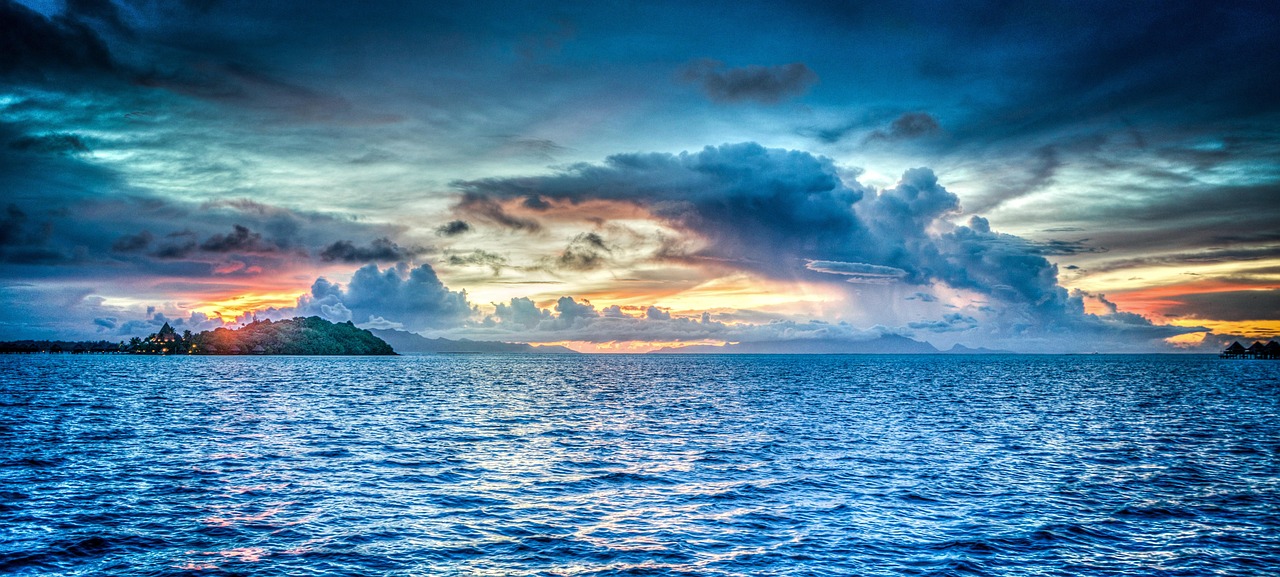
The Gateway Island with a Character of Its Own
Tahiti is the largest island in French Polynesia, part of the Society Islands in the South Pacific, known for its volcanic mountains, black-sand beaches, waterfalls and Polynesian culture. Papeete, on the northwest coast, is the capital and main port, and Faa'a International Airport is the main international gateway. The island is shaped like a figure of eight, with a larger northern part, Tahiti Nui, and a smaller southern peninsula, Tahiti Iti, joined by the narrow Isthmus of Taravao.
Culture is easy to find. The Marché de Papeete is packed with flowers, black pearls, vanilla, monoi oil and crafts, and food trucks known as les roulottes serve grilled fish, chow mein and crepes at sunset along the waterfront. The Museum of Tahiti and Its Islands explains Polynesian navigation, and the Paul Gauguin Museum honours the painter who made Tahiti famous in European art. Each July, the Heiva festival fills the city with dance, music and sport.
Teahupo'o, Waterfalls and Black-Sand Coasts
Tahiti rewards a day or two of exploring by car. The coast road passes Venus Point, where Captain Cook observed the 1769 transit of Venus, then black-sand beaches such as Papenoo and Tahiti's famed surf spots. Teahupo'o, on the southwest coast of Tahiti Iti, is known worldwide for its powerful wave, and was the venue for surfing at the 2024 Paris Olympics. Inland, the Fautaua and Vaimahuta waterfalls and the Papenoo Valley offer lush hiking.
Many visitors use Tahiti as a base for island hopping, taking a ferry to Moorea or a short flight to Bora-Bora and the wider French Polynesia archipelago. Resorts on the west coast, in Punaauia and Papeete, give easy access to restaurants and lagoon activities. A tourist board can use Tahiti's mix of culture and nature to appeal to adventure travellers, while the Cook Islands and Samoa provide natural companion stays elsewhere in the Pacific.
Seasons and the Long Way Round
May to October is the drier, cooler season, well suited to hiking, snorkelling and island-hopping, while November to April is warmer and greener. July is the most festive month because of Heiva, and the surf season at Teahupo'o runs roughly from May to September, bringing the largest swells. Whale-watching, which runs from about July to October, adds another reason to visit in the dry season.
Most UK visitors connect via Paris or Los Angeles, with the journey taking about a day. Papeete's airport also links with Auckland, Tokyo and Hawaii. Moorea ferries leave from Papeete's harbour, taking about 30 minutes, and domestic flights serve the other island groups. For airline and hospitality partners, VisitTahiti.co.uk offers a ready showcase for the island's gateway role and its own appeal.
Where to Base Yourself on the Big Island
Tahiti's stays centre on a few distinct areas. Papeete suits culture seekers and those with early flights, offering city hotels near the harbour, the market and the ferry quay. The west coast, around Punaauia and Arue, holds the beachfront resorts with lagoon views of Moorea, plus easy access to restaurants and the Museum of Tahiti and Its Islands. The east coast and Tahiti Iti are wilder, with black-sand beaches, surf lodges and guesthouses close to Teahupo'o. Inland, mountain pensions near the Papenoo Valley give hikers and nature lovers a peaceful base among waterfalls and ferns.
Styles range from large resorts with infinity pools and kids' clubs to boutique guesthouses and family pensions. Surfers book beside Teahupo'o's wave in the south, while divers use the west coast for access to wrecks and lemon shark sites. Families enjoy the western resorts for shallow lagoons and short transfers, while couples prefer small hotels with sunset views of Moorea. Apartment-style rooms near Papeete suit longer stays and group travel. Many guests spend their first night and last night on Tahiti with island-hopping in between, so a hotel with a good airport link and a restful garden is a smart choice.
Roulottes, Monoi and Gauguin's Palette
Tahiti's cuisine begins with the sea. Poisson cru, tuna with coconut milk, is served everywhere, and the roulottes of Place Vaiete in Papeete offer steak, grilled prawns, crepes and Chinese noodles in the evening. Local breakfasts include fresh baguette and papaya, while uru, breadfruit, and fafa, taro leaves with chicken, appear at family tables. Fresh pineapple, bananas and coconut bread add sweetness, and traditional ahima'a feasts are cooked in earth ovens at cultural events. Papeete's municipal market is the best place to browse vanilla pods, monoi oil, pearls and flower crowns made from tiare.
Arts are strong. The Paul Gauguin Museum in Papeari, the Museum of Tahiti and Its Islands and the Harrison Smith Botanical Garden give cultural depth, while the Maraa Grotto and Arahoho blowhole add natural drama. Dance schools prepare for the Heiva i Tahiti competition in July, with performances at To'ata Square. May to October is the dry season, with festivals, outrigger races and surf competitions, and November to April brings greener hills and quieter beaches. Tahitian ukulele and pahu drum rhythms play in hotel lobbies and bars each evening, and a craft stall visit is a good way to meet local carvers.
Waterfalls, Surf and Short Hops to Moorea
Active days are varied. The Fautaua Valley trail climbs to a waterfall, the Papenoo Valley has 4x4 safari routes into the crater interior, and the Teahupo'o area offers boat trips to watch surfers and snorkel in a deep blue lagoon. Dive operators run trips to the Aquarium site, the Vaiami wreck and shark-feeding spots, while paddling clubs offer outrigger canoe sessions in the lagoon. Cyclists enjoy the coastal road around the island, and the Tahiti Iti plateau has lush walking. The Marae Arahurahu, a restored temple platform in Paea, is a quiet cultural stop, and Point Venus is perfect for a black-sand picnic.
Tahiti is the ideal starting point for island-hopping. Moorea is 30 minutes by ferry, Bora-Bora under an hour by air, and the atolls of Rangiroa and Tikehau are short flights. A stay can be built around a three-day Tahiti base, a Moorea week and a Bora-Bora finish, building on Bora-Bora and French Polynesia as a story. Guests continuing east or west can add Hawaii, Fiji or Australia, and an AI platform could help travellers compare island combinations quickly. Los Angeles is the most common stopover.
Planning your stay
Tahiti is made of two volcanic lobes, Tahiti Nui and the smaller Tahiti Iti, joined by an isthmus. Papeete, the capital, has a waterfront, a large market and the ferry terminal, and a coastal road circles the island past surf breaks, black sand beaches, gardens and waterfalls. The inland valleys are best explored with a guide.
Most visitors treat Tahiti as the arrival point and then move on, to Moorea by ferry or short flight, or to Bora Bora and other islands. All of it is part of French Polynesia, and many visitors continue to the Cook Islands or Samoa on a longer Pacific trip.
When to go
The drier season from roughly May to October is the most comfortable, with lower humidity and more settled weather. The wetter season from November to April is hotter and more humid, and rain can be heavy, though it is often brief.
The Foreign, Commonwealth and Development Office says tropical storms, including cyclones, can happen from November to April, and advises monitoring local news and World Meteorological Organization weather reports for French Polynesia.
Entry rules
You can visit without a visa for up to 90 days for tourism or business. To stay longer, work or study, check the French visa process, and if you want to work, get permission from the French Consulate General before you travel.
Anyone arriving from a yellow fever transmission-risk country will be asked for a vaccination certificate. Declare anything that may be prohibited or subject to tax or duty, and check cash and valuables declaration rules before you arrive. Flights from the UK involve at least one connection, usually via Paris or Los Angeles, with Faa'a airport as the arrival point.
Driving and getting around
Hire car companies often have stricter requirements, such as a year of driving experience and a higher minimum age.
Many visitors use taxis, the local bus service known as le truck or organised island tours instead. A circuit of the island is a full day with stops, and traffic around Papeete can be slow at rush hour, so allow extra time for airport transfers.
Before you travel
Entry requirements and official travel guidance are updated regularly, so check the latest position with your government before booking. The sources we used are listed at the foot of this page.
Why Tahiti matters to the industry
Tahiti is the name most travellers search first, and it is the arrival point for every French Polynesia itinerary. VisitTahiti.co.uk lets a tourist board, hotel group or airline publish clear guidance on entry, seasons and connections, and our AI platform carries it to searchers.
Our destination guides show how Tahiti compares with other gateway islands, and the OTA page explains how booking platforms reuse such pages.
Questions travellers ask about Tahiti
Do UK citizens need a visa for Tahiti?
UK visitors can stay for tourism or business for up to 90 days without a visa. Keep three months of passport validity beyond your departure from French Polynesia.
What is Tahiti best known for?
Tahiti is best known as the main island of French Polynesia, with black-sand beaches, waterfalls, Papeete's market and lively food trucks, Gauguin's artistic legacy and the world-famous surf break at Teahupo'o, which hosted Olympic surfing in 2024.
Is Tahiti worth more than a transit stop?
Yes. Tahiti offers waterfalls, black-sand beaches, museums, markets and surf culture, and is the departure point for Moorea ferries and flights to Bora-Bora. A few nights here give a rounded sense of Polynesian life.
Where should I stay in Tahiti?
Choose Papeete for culture, markets and ferries, the west coast around Punaauia for beachfront resorts and views of Moorea, and Tahiti Iti for surf, nature and quiet black-sand beaches. Many visitors stay a few nights before island-hopping.
What can I do in Tahiti on a rainy day?
Visit the Museum of Tahiti and Its Islands, the Paul Gauguin Museum, Papeete's market and the Harrison Smith Botanical Garden. Waterfall walks stay beautiful in light rain, and a spa treatment with monoi oil is a relaxing alternative.
In the Visit Travel Group portfolio: VisitTahiti.co.uk.