Fa'a Samoa and the Heart of Polynesia
Samoa is an independent island nation in the central South Pacific, comprising two main islands, Upolu and Savai'i, and several smaller islets. Apia, on Upolu, is the capital. The country is known for its living Polynesian traditions, called fa'a Samoa, which shape village life, family structure and hospitality. Samoa gained independence from New Zealand in 1962, and its people are known for warmth, church singing and strong community life.
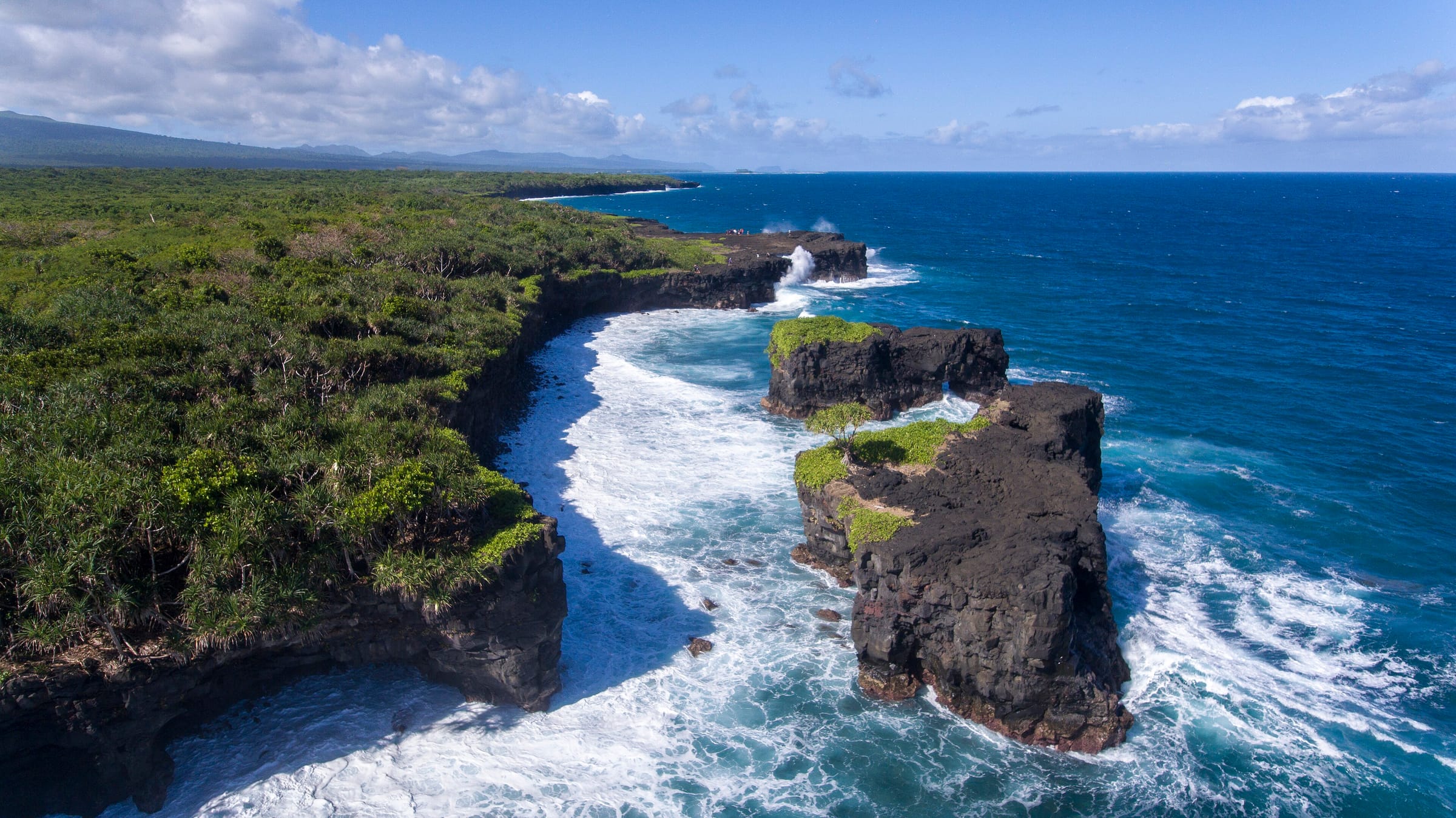
Landscapes are a major draw. Upolu has the To Sua Ocean Trench, a deep turquoise natural pool reached by a long ladder, the Papase'ea Sliding Rocks and the Lalomanu Beach with its beach fale huts. Savai'i, the larger island, has lava fields, blowholes at Alofaaga and the Saleaula lava field. Traditional food, cooked in an umu earth oven, includes taro, palusami in coconut cream and fresh fish, and tattooing, called pe'a, is an honoured art.
Beach Fale, Waterfalls and Robert Louis Stevenson
Stays are relaxed and personal. Beach fale, open-sided thatched huts, line the sands at Lalomanu and Coconuts Beach, and family-run lodges and boutique resorts give a spread of price points. In Apia, the Robert Louis Stevenson Museum at Vailima, once the writer's home, sits on the slopes of Mount Vaea, where he is buried, and the Apia waterfront and Fugalei market show daily life.
Active visitors can walk to Papapapai-tai Falls, snorkel at Palolo Deep Marine Reserve, kayak, or take a ferry across the Apolima Strait to Savai'i. The Teuila Festival in Apia each September celebrates dance, canoe racing and fire-knife dancing. Samoa pairs well with neighbouring Fiji and the Cook Islands, and with New Zealand or Australia on the way to the Pacific, giving a hotel group a rich companion story.
When to Visit and Getting There
The dry season from May to October is the most popular, bringing sunny days and calm seas. November to April is warmer and wetter and greener. The Teuila Festival in early September is the best-known cultural event, and Independence celebrations in early June bring boat races and performances. Whatever the month, the pace is slow and the welcome sincere.
Faleolo International Airport, about 35 kilometres from Apia, has flights from Auckland, Sydney and Fiji, and UK visitors typically connect via Australia or New Zealand with a journey of well over 24 hours. A ferry links Upolu and Savai'i in about an hour. For airline and tourism partners, VisitSamoa.co.uk offers a clear home for a destination with exceptional character.
Beach Fale, Boutique Lodges and Village Homestays
Samoa's stays are relaxed and personal. On Upolu's south coast, the beaches at Lalomanu and Aleipata offer beach fale, open-sided thatched huts a few steps from the sand, with mattresses, mosquito nets and home-cooked meals. The southern coast around Salamumu and Aganoa has boutique resorts and small lodges with ocean views and swimming lagoons. Apia, the capital, suits those wanting restaurants, markets and the Robert Louis Stevenson Museum, with business hotels and guesthouses within walking distance. Coconuts Beach and Manoa Tofa are popular for families seeking beachfront comfort and gentle hosts, and the north coast has quiet bays for groups.
On Savai'i, the larger and wilder island, stays range from simple beach fale on the south coast to eco lodges near the Falealupo rainforest and Manase Beach in the north. Savai'i suits people who prefer silence, lava coastlines and blowholes to nightlife. Homestays in villages give guests insight into fa'a Samoa, with meals shared on woven mats and evening prayers sung in harmony. A strong itinerary spends three nights on Upolu's south coast, two in Apia and two or three on Savai'i, using the ferry across the Apolima Strait. Travellers value the warm welcome at every stage.
Palusami, Siapo and the Rhythm of the Island Calendar
Food in Samoa is communal and generous. An umu, the stone oven, produces taro, breadfruit, fish and palusami, taro leaves baked in coconut cream, for Sunday lunches and celebrations. Oka, raw fish in coconut cream and lime, is a fresh starter, and sapasui, a noodle dish, shows Chinese influence. Fresh coconut water, tropical fruit and koko Samoa, a warm cocoa drink made from local beans, are everyday treats. Fugalei Market in Apia is the best place for produce and handicrafts, while Savai'i's village stalls sell banana chips and coconut cakes. Sunday is a quiet family day built around church and food.
Craft traditions are alive. Siapo, bark cloth painted with patterns, intricately woven mats called ie toga, carved kava bowls and tattooing in the traditional pe'a style are all prized. Church choirs make Sunday service a musical highlight, and fire-knife dancing and siva dancing are performed at evening shows. The Teuila Festival in early September, Independence Day celebrations in June and the Samoa International Cultural Festival fill the calendar. Rugby is a national passion, and Samoan matches are a lively social occasion. The dry months of May to October offer the best weather for festivals, while the green season brings waterfall flow and fewer visitors.
Sliding Rocks, Snorkelling and Ocean Trench Days
Samoa suits active, nature-led days. On Upolu, the To Sua Ocean Trench is a showpiece, reached by a long ladder to a turquoise pool, and the Papase'ea Sliding Rocks and Togitogiga Waterfalls give family-friendly swimming and walking. Snorkelling at Palolo Deep Marine Reserve in Apia lets visitors float over coral gardens, while Lalomanu's reefs are good for turtles. Sea kayaking, surfing at Salani and fishing charters are available, and walkers can climb Mount Vaea to Robert Louis Stevenson's tomb. On Savai'i, the Alofaaga Blowholes, Mt Matavanu crater walk and Pulemelei Mound, the largest ancient structure in Polynesia, add scale and history.
Stays work well as a Pacific stopover or add-on. Samoa links easily with Fiji, the Cook Islands and Tahiti, and with New Zealand as the gateway for most UK travellers. A tourist board could promote a nine-day itinerary that pairs culture, waterfalls and beach time, and Australia works as an easy onward link. Families can build around Upolu's south coast, culture seekers around Apia and Savai'i, and honeymooners around private beach fale. Day trips from Apia include the Aggie Grey's historic hotel area, Lefaga's film-famous beach and the Papaseea pools.
Planning your stay
Upolu is the more developed island, with the capital Apia, the international airport and south coast beaches with simple beach fales, which are open-sided huts. Natural attractions include the To Sua Ocean Trench and Lalomanu beach. Savai'i, the larger island, is quieter, with blowholes, lava fields and rural villages.
Samoa is easy to link with Fiji, the Cook Islands and Tahiti, and with New Zealand, through which many UK travellers connect. Most visitors stay a week or ten days, and travel between the islands is by ferry across the Apolima Strait or a short flight.
When to go
The drier months from May to October are the most comfortable and the most popular. The Foreign, Commonwealth and Development Office says the tropical cyclone season normally runs from November to the end of April, with most rain falling from December to March, and that higher rainfall inland can cause flooding.
Entry rules
Samoa wants a passport with at least six months' validity after the day you arrive. You can visit without a visa for up to 60 days, and border officials will issue a free visitor permit using your arrival card. You may need to show an onward or return ticket, sufficient funds, for which a bank statement is acceptable, and confirmed accommodation.
To stay longer, or for work or study, apply for a Samoan entry permit. Arrivals from a country on the yellow fever transmission list need a vaccination certificate. Declare cash or travellers cheques of 20,000 tala or more, and note that flying to American Samoa carries a departure tax of 40 tala.
Before you travel
Entry requirements and official travel guidance are updated regularly, so check the latest position with your government before booking. The sources we used are listed at the foot of this page.
Why Samoa matters to the industry
Samoa is a small destination with a strong cultural identity, and travellers want to understand the rules before they arrive. VisitSamoa.co.uk lets a tourist board, hotel group or airline publish clear guidance on etiquette, entry and seasons, and our AI platform carries it to searchers.
Other Polynesian markets are in our destination guides, and the OTA page covers how booking platforms use content like this.
Questions travellers ask about Samoa
Do UK citizens need a visa for Samoa?
No visa is needed for up to 60 days. Border officials issue a free visitor permit, and you may need to show an onward ticket, sufficient funds and confirmed accommodation. Samoa also expects six months of passport validity after arrival.
Can I drive in Samoa on a UK licence?
You must buy a temporary driving permit, which requires your UK licence. You can use it for up to 90 days a year.
What is Samoa best known for?
Samoa is best known for fa'a Samoa, its living Polynesian culture, along with To Sua Ocean Trench, beach fale huts at Lalomanu, waterfalls, lava fields on Savai'i and the Robert Louis Stevenson Museum at Vailima.
When is the best time to visit Samoa?
May to October is the dry season, with sunny days and calm seas. The Teuila Festival in early September and independence celebrations in June add cultural highlights, making these months especially rewarding.
Where should I stay in Samoa?
Upolu's south coast around Lalomanu suits beach fale and families, Apia suits culture and restaurants, and Savai'i suits quiet, nature-led stays. Many visitors split a week between Upolu and Savai'i for a good balance of beach and village life.
What food should I try in Samoa?
Try umu-cooked taro and breadfruit, palusami in coconut cream, oka raw fish with coconut and lime, fresh tropical fruit and koko Samoa, a warm cocoa. Fugalei Market in Apia is perfect for sampling local produce and snacks.
In the Visit Travel Group portfolio: VisitSamoa.co.uk.