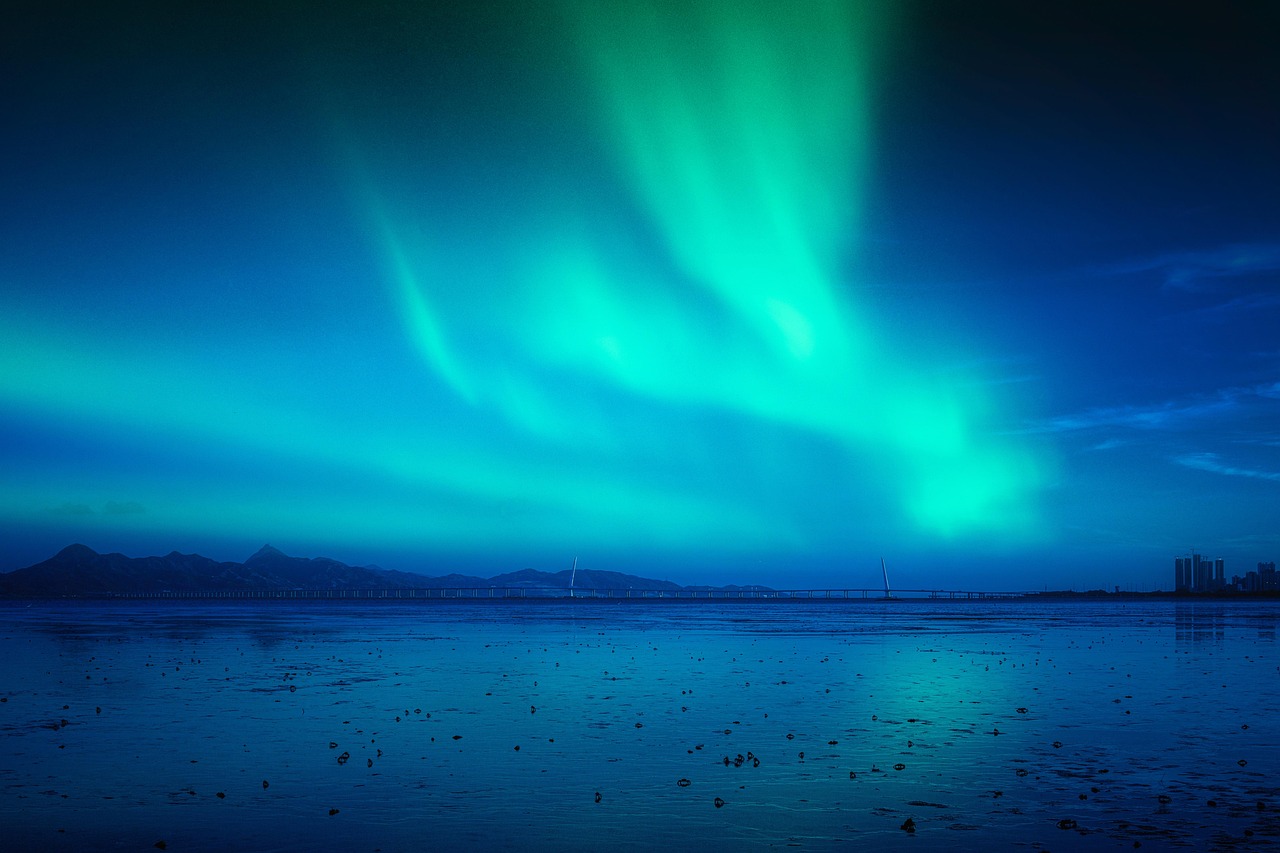
From Fishing Town to Futuristic Skyline
Shenzhen is a major city in Guangdong province, southern China, directly north of Hong Kong, known for its futuristic skyline, technology industry, design culture and a coastline that surprises first-time visitors. It was designated China's first Special Economic Zone in 1980 and has since grown from a small fishing community into one of the country's great metropolises. The skyline of Futian and Nanshan is crowned by towers such as the Ping An Finance Centre, at about 600 metres among the tallest buildings in the world, and the city's parks, bays and mountain trails keep it green at every turn.
Creativity is the city's calling card. UNESCO named Shenzhen a City of Design in 2008, and districts such as OCT Loft, a former factory estate turned into galleries and cafes, and the Dafen Oil Painting Village, where artists copy and create paintings by the thousand, show how the city turns industry into art. Huaqiangbei, the legendary electronics market, is a theme park for gadget lovers. Travellers exploring China often pair Shenzhen with Shanghai and the wider China story, or with Seoul and Singapore on a technology-led Asian route.
Dapeng Beaches, Dim Sum and City Parks
Beyond the towers lies a surprisingly natural side. The Dapeng Peninsula, in the east, offers beaches, fishing villages, hiking paths along the coast and quiet guesthouses, while Dameisha and Xiaomeisha are the city's popular beach parks. Shenzhen Bay Park, along the water facing Hong Kong, is a lively waterfront for cycling, sunsets and skyline views, and Lianhuashan and Wutong Mountain give walkers a close-up view of the city from above. Theme parks including Window of the World, with miniature world landmarks, round out a family-friendly offer.
Cantonese cuisine anchors the table, with dim sum, roast goose, congee, claypot rice and fresh seafood, and the city is also home to restaurants serving cooking from every region of China, thanks to its population of newcomers from across the country. Hotels range from international brands in Luohu and Futian to boutique stays in creative districts, so a hotel group can present a clear business and leisure offer. It is also a joy for shoppers, with malls, markets and an ever-changing food scene found within a short metro ride.
Autumn Days and the Pearl River Delta
Autumn, from October to December, is the most pleasant season, with clear skies, sunshine and lower humidity that suit beaches, hiking and city walking. Spring is also mild, and the city's flower displays and festivals add colour, including Chinese New Year and Lantern Festival events. Shenzhen sits at the heart of the Pearl River Delta, so Hong Kong, Macau, Guangzhou and Zhuhai are all within easy reach by high-speed rail, ferry or road, and many visitors combine the city with a short regional circuit.
Shenzhen Bao'an International Airport serves domestic and international destinations, and the metro and high-speed rail link the city with Hong Kong in well under an hour. A name like VisitShenzhen.co.uk gives partners a clear, quotable home for the story. For a longer Asian journey, Osaka and Japan are a short flight east, while Thailand and the Philippines offer warm beach finishes to a trip that begins in southern China.
Futian Towers, OCT Boutiques and Coastal Retreats
Shenzhen's stays follow its districts. Futian is the central business and culture district, with international hotels near the concert hall, museums and the Civic Centre, convenient for first-time visitors who want to use the metro. Nanshan stretches along Shenzhen Bay, with seafront hotels, parks and Shekou's restaurants and design venues, a favourite with couples and families. Luohu, the old centre beside the Hong Kong rail link, has shopping streets and good-value hotels, and Qianhai, a new waterfront district, has modern towers and canal-side promenades. OCT Loft and the nearby theme parks suit families, creatives and those who like art and cafes.
For something quieter, the Dapeng Peninsula in the east offers guesthouses and boutique stays at Xichong, Dongchong and the old fishing villages, with beaches and hiking trails at the door. Yantian's coastline has seafront resorts, and the lychee orchards and hills of the outer districts hold small retreats. Wellness travellers can find spa hotels and hot-spring resorts a short drive away. Styles range from international business towers to design-led boutiques, and a airline can combine Shenzhen with Hong Kong, Macau or Guangzhou in one itinerary. Many travellers then continue to Japan or Bangkok, both a short flight away.
Dongjiang Hakka Dishes, Tea and Design Festivals
Shenzhen is a city of newcomers, so its table is wonderfully varied. Beyond dim sum, Chaoshan beef hotpot, with thinly sliced beef dipped in broth, Hakka salt-baked chicken, a speciality of the region's Hakka heritage, wonton noodles and clay-pot rice are all favourites. Double-skin milk pudding and herbal liang cha teas suit warm afternoons, and fresh lychee in early summer is a seasonal treat. Tea culture is strong, with Cantonese teahouses serving oolong, pu'er and chrysanthemum. Visitors can explore Dapeng's seafood villages, where fishermen's catches are cooked at simple tables beside the bay, a taste of the coast before the towers.
Culture mixes the heritage and the new. Dapeng Fortress, a Ming-dynasty coastal garrison, tells the story of the old coast, while the Shenzhen Museum, the Design Society in Shekou, with a gallery programme in partnership with a famed London museum, and the concert hall show the modern city. The Bi-City Biennale of Urbanism and Architecture, held with Hong Kong, draws designers. Chinese New Year flower markets bloom with bougainvillea, the city's flower, the China Hi-Tech Fair fills the autumn calendar and the Lantern Festival lights the parks. October to December is the sunniest, spring is gentle, and summer is best for beach mornings and air-conditioned museums.
Hiking Dapeng Ridges, Cycling Bays and Hong Kong Add-Ons
Shenzhen is greener than many visitors expect. Wutong Mountain and Dapeng's coastal ridges offer hiking with sea views, while Futian Mangrove Nature Reserve is a good place for birdwatching and boardwalks. Cycling is easy along Shenzhen Bay's waterfront and the city's green corridors, and divers and snorkellers head to the east coast. Sea kayaking, paddle-boarding and sunrise walks on Dapeng's beaches fill the weekends, and spa days and tea ceremonies suit rest days. Families enjoy the theme parks and the Window of the World, and design lovers can spend a day among OCT Loft's galleries and the Dafen painting village.
Day trips make the Pearl River Delta rewarding. Hong Kong is under an hour by rail, Macau and Zhuhai are reached by ferry or bridge, and Guangzhou is about half an hour by high-speed train for its food, canals and Cantonese opera. Huizhou's coast and hot-spring valleys are a short drive east. A stay can be built around design, hiking or food, with a day in Hong Kong as an add-on. Shenzhen connects neatly with China's wider story, with Shanghai by high-speed train or flight, and with Singapore and Seoul on a technology and design route, while the Maldives makes a restful finish.
Planning your stay
Shenzhen grew from a border town into a city of towers, tech campuses, electronics markets and waterfront parks. Futian is the business centre, Nanshan has the technology firms and the Shenzhen Bay waterfront, and Luohu sits beside the main crossing to Hong Kong. Most leisure visitors treat it as a short stay or a side trip from Hong Kong, rather than a long holiday.
It pairs with Shanghai and wider China, and with Seoul, Osaka and Japan on a regional trip, since all have frequent flights.
When to go
Autumn, from around October to December, is generally the most comfortable season, with drier and milder weather. Summers are hot, humid and wet.
UK travellers often fly via Hong Kong or another hub, so check schedules and the total journey time with your airline. Allow extra time for border crossings, which can be busy at holidays and weekends.
If you are visiting for an exhibition or a supplier meeting, book your hotel close to the venue or a metro line, carry printed copies of invitation letters and hotel bookings, and keep your passport with you. Download offline maps and translation apps in advance, because some foreign websites and services may not load reliably on mainland networks.
Entry rules and Hong Kong
Until 31 December 2026, standard British passport holders can enter mainland China visa free for up to 30 days for business, tourism, family or friend visits or transit. Other purposes, such as paid work, long-term assignments, journalism or study, need a visa in advance.
Visa requirements for Hong Kong and Macao are different.
Business visits and money
If in doubt, contact the Chinese Embassy in London.
Set up your apps before you travel, and remember that VPNs need to be licensed by the Chinese government.
Before you travel
Entry requirements and official travel guidance are updated regularly, so check the latest position with your government before booking. The sources we used are listed at the foot of this page.
Why Shenzhen matters to the industry
Shenzhen draws trade, technology and exhibition visitors who plan every step. VisitShenzhen.co.uk gives an airline, hotel group or tourist board a place to publish border-crossing steps and trade-visit guidance, and our AI platform carries it to people planning a Shenzhen trip.
Our destination guides cover more business-led cities, and the OTA page shows how booking platforms handle content like this.
Questions travellers ask about Shenzhen
Do UK citizens need a visa for Shenzhen?
Until 31 December 2026, standard British passport holders can enter China visa free for up to 30 days for business, tourism, family visits or transit. Other purposes need a visa in advance.
Do I need cash in Shenzhen?
Payment apps are almost universal, but cards are not always accepted, so carry some cash. Check banknotes carefully because counterfeits are common.
What is Shenzhen best known for?
Shenzhen is best known as China's technology and design city, with a skyline led by the Ping An Finance Centre, creative districts such as OCT Loft, the Huaqiangbei electronics market and a surprising coastline at Dapeng. It was China's first Special Economic Zone, created in 1980.
How far is Shenzhen from Hong Kong?
Shenzhen lies directly north of Hong Kong, and rail connections take well under an hour, so the two are easily combined. Many visitors pair a stay in Shenzhen's design and shopping districts with time in Hong Kong or elsewhere in the Pearl River Delta.
Where should I stay in Shenzhen?
Futian suits first-time visitors with museums and metro links, Nanshan and Shekou offer seafront views and restaurants, and OCT is good for design and families. For beaches and quiet, choose a guesthouse on the Dapeng Peninsula.
What are the best day trips from Shenzhen?
Hong Kong is under an hour by rail, Guangzhou about half an hour by high-speed train, and Macau and Zhuhai are close by ferry or bridge. Closer still, the Dapeng Peninsula has beaches, hiking trails and fishing villages.
In the Visit Travel Group portfolio: VisitShenzhen.co.uk.