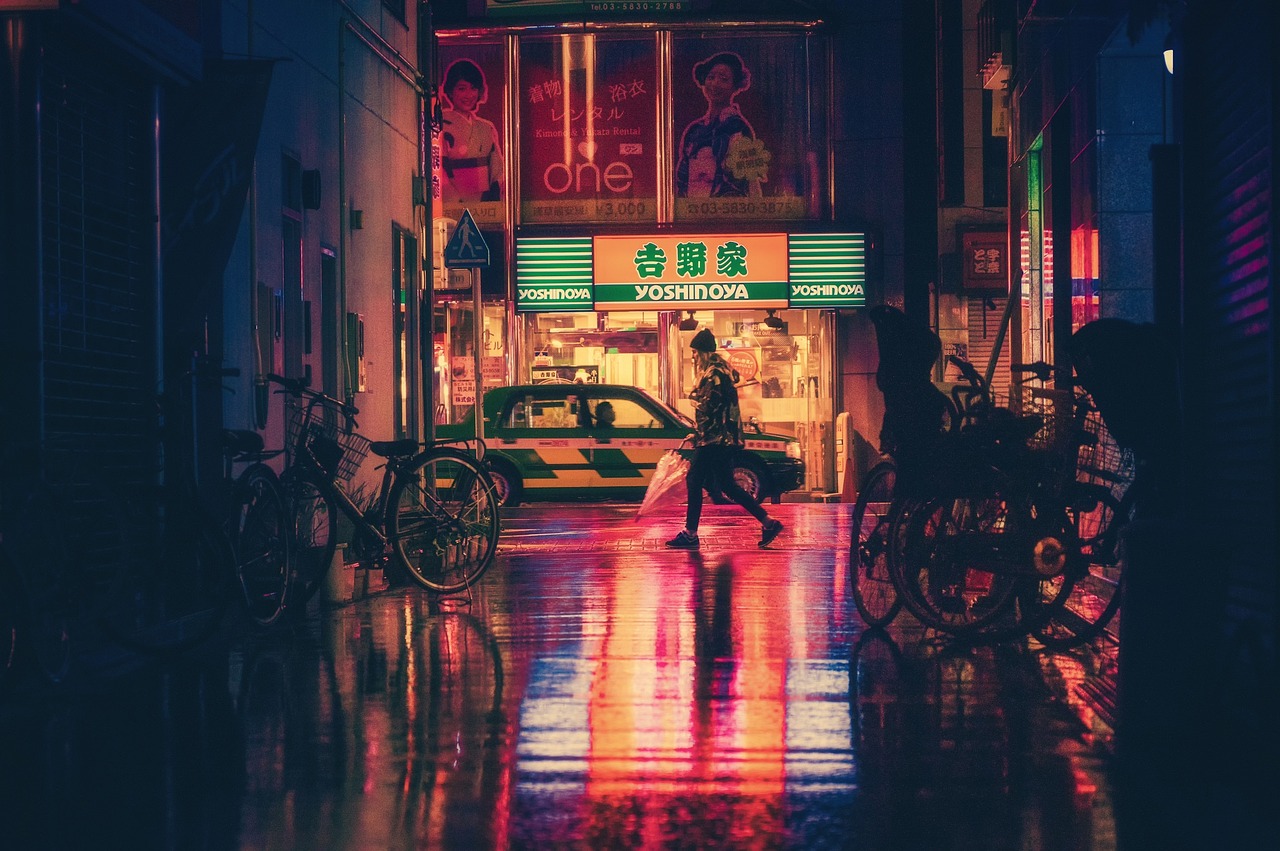
Japan's Kitchen, Castle Walls and Neon Canals
Osaka is the third-largest city in Japan, a lively port in the Kansai region, known as the nation's kitchen and loved for its street food, friendly humour and neon-lit canals. For centuries the city was a hub of rice trading and merchants, and that commercial spirit still shapes a culture that is easy-going and generous. The common greeting asks if you have eaten, and the local motto of kuidaore, to eat until you drop, sums up the city's relationship with its table. Osaka's energy is at its brightest after dark, when the canals shimmer with reflected lights.
Osaka Castle, built in the sixteenth century by Toyotomi Hideyoshi, rises from stone walls and moats in a park famed for cherry blossom in early April, and its museum tells the story of the unification of Japan. Dotonbori, the entertainment strip along the canal, is the postcard image, with the Glico running man sign, giant mechanical crab and rows of food stalls. Travellers often continue from here to Japan more widely, or fly on to Seoul and Shanghai, both short hops away.
Takoyaki, Okonomiyaki and Day Trips to Kyoto
Food is the reason many people come. Takoyaki, grilled octopus balls topped with sauce and bonito flakes, okonomiyaki, a savoury pancake cooked on a hot plate, and kushikatsu, crisp skewers, are the city's signature dishes. Kuromon Market offers fresh seafood and street snacks, while Shinsekai, a retro district beneath Tsutenkaku Tower, has a nostalgic charm. Osaka Aquarium Kaiyukan, one of Japan's best, and Universal Studios Japan, with its Super Nintendo World, make the city a favourite for families, and a hotel group can offer a wide range of stays, from capsule-style budget to luxury towers.
Osaka is also a perfect base for the wider Kansai region. Kyoto, with its temples and geisha districts, is about 30 minutes by fast train, and Nara, home to friendly deer and the giant Buddha of Todai-ji, is close by. Himeji Castle, inscribed by UNESCO in 1993, and Mount Koya, a temple settlement in the Kii mountains inscribed in 2004, are rewarding day trips, and the Mozu-Furuichi Kofun tombs near Sakai were inscribed in 2019. Those who enjoy Asian cities often add Shenzhen or Singapore on a longer tour.
Blossom Season, Summer Festivals and Kansai Airport
Spring and autumn are the best times to visit, with cherry blossom from late March to early April and red maple leaves in November. Summer is lively, and the Tenjin Matsuri, held in July and counted among Japan's great festivals, fills the river with illuminated boats and fireworks. Winter brings crisp, clear days and festive lights across the city. Osaka's metro and rail network make every highlight easy, and the city's compact districts, from Umeda to Namba, are rewarding to explore on foot.
Kansai International Airport, on an island in Osaka Bay, is a major gateway for Asia and beyond, with a direct train link to the city, and a name like VisitOsaka.co.uk gives airlines and hotels a single home for the story. Shinkansen bullet trains connect Osaka with Tokyo in about two and a half hours. A multi-city holiday that includes Thailand or Bangkok makes a natural continuation, and China is closely linked by regular flights.
Namba Neon, Umeda Towers and Bay Resorts
Osaka's districts offer different ways to stay. Namba and Dotonbori are the lively centre, with hotels beside the food streets and canal lights, ideal for first-timers, groups and food lovers who want everything outside the door. Umeda, also known as Kita, is the business and shopping hub, with rail connections, department stores and rooftop views, and Shinsaibashi suits shoppers and fashion fans. Nakanoshima, on an island in the river, has elegant hotels, museums and riverside walks, popular with couples. Tennoji has the tall Abeno Harukas tower, a zoo and a quieter, older mood, while Shin-Osaka suits travellers wanting quick bullet-train links.
Families often choose the bay area near Universal Studios Japan, where hotels have themed rooms and easy access to the park, aquarium and ferris wheel. Many visitors also split a trip: a few nights in Osaka, then a traditional machiya townhouse in Kyoto or a ryokan in Nara, both less than an hour away. Luxury travellers can find grand towers with spas and sky bars, and budget travellers will find compact, spotless business hotels. A airline can pair Osaka with Tokyo and Kyoto in an open-jaw route, and the city links easily with the Philippines, Seoul and Hawaii for a wider journey.
Kitsune Udon, Bunraku Puppets and Festival Seasons
Osaka's table has stories beyond takoyaki. Kitsune udon, noodles with sweet fried tofu, was born here, and Osaka-style pressed sushi, boxed sushi and steamed pork buns from famous shops are classic takeaway treats. Kissaten, old-style coffee houses, serve thick toast and siphon coffee, and matcha sweets and soft sponge castella cakes add dessert variety. The city's culture is performing and playful: the National Bunraku Theatre stages the centuries-old puppet drama, rakugo storytellers and manzai comedy duos keep the humour alive, and the Museum of Housing and Living lets visitors try on kimono and stroll through a recreated Edo-period street.
The calendar is rich. Plum blossom opens in February, cherry blossom in late March and April at Osaka Castle and along the Okawa river, and the Tenjin Matsuri turns the river into a stage of lanterns and boats in July. The Kishiwada Danjiri Festival rolls huge wooden floats through the streets in September, and autumn leaves at Minoo Park, a short ride north, glow gold and red in November. Winter illuminations brighten Midosuji Avenue and Nakanoshima, and Tokaebisu in January brings shrine festivities. Osaka's Expo 2025 on Yumeshima added fresh attractions, and the city's museums, from art to science, offer rainy-day shelter.
Kyoto, Nara and Kobe from a Single Base
Osaka is the ideal hub for themed days. Kyoto's temples and geisha lanes, Nara's deer park and Todai-ji, and Himeji's white castle are all easy rail trips, while Kobe, about 30 minutes away, adds a harbour, a hillside of historic foreign houses and some of Japan's best beef. Arima Onsen, one of the country's oldest hot-spring towns, is nearby for a wellness day, and Mount Rokko offers a night view over the bay. Mount Koya and the Kumano Kodo pilgrimage trails, inscribed by UNESCO in 2004, offer walking and temple stays. Cyclists enjoy Awaji Island's coastal roads, and families can sail on Osaka Bay.
A stay can be built around culture, food, wellness or family fun. Many visitors plan three nights in Osaka, a day each in Kyoto and Nara and one for Kobe or Himeji, a pattern that offers a great rhythm. The Kansai region also suits seasonal journeys, with cherry blossom in spring, festivals in summer and leaves in autumn. Onward travel is easy: Tokyo is about two and a half hours by shinkansen, and Japan more broadly offers snow, islands and onsen towns. Osaka also pairs with Shenzhen, Shanghai and Australia, each a direct flight or short connection away.
Planning your stay
Osaka is known for its food, with takoyaki, okonomiyaki and street stalls around Dotonbori and Namba. Osaka Castle and its park anchor the history, Umeda is the modern business and shopping district, and Universal Studios Japan draws families. The city is a convenient base for day trips to Kyoto, Nara and Kobe by train.
Kansai International Airport is the main gateway, but its published route list shows no London service, so most UK visitors make one stop on the way or fly non-stop to Tokyo and continue by Shinkansen, which takes about two and a half hours to Shin-Osaka. Our Japan guide covers the country, and Osaka also pairs with Seoul, Shanghai, Shenzhen and China on an East Asia trip.
When to go
Spring, for the cherry blossom in late March and April, and autumn, for the colour in November, are the most popular and most expensive times.
It also says the tropical cyclone season runs from June to December, peaking from July to September. There is no non-stop flight from the UK to Osaka, so plan on a connection and check the total journey time with your airline.
Entry rules
The Foreign, Commonwealth and Development Office says your passport must be valid for the length of your stay, with no additional validity required, and you need a blank page for your visa stamp. You can get a visa on arrival for tourism or business for up to 90 days, and you do not need to apply before you travel. If you want to stay longer, you can apply for a 90-day extension at an immigration office.
Japan is still a largely cash-based society, so carry some yen.
Before you travel
Entry requirements and official travel guidance are updated regularly, so check the latest position with your government before booking. The sources we used are listed at the foot of this page.
Why Osaka matters to the industry
See the wider destination guides, or our OTA page on how booking platforms use destination content.
Questions travellers ask about Osaka
Do UK citizens need a visa for Japan?
You can get a visa on arrival for tourism or business for up to 90 days, with no need to apply before travel. Your passport must be valid for your stay and have a blank page.
When is the best time to visit Osaka?
Spring for cherry blossom and autumn for colour are the most popular. Summer is extremely hot and humid, and typhoon season runs from June to December.
What is Osaka best known for?
Osaka is best known for its street food, including takoyaki and okonomiyaki, the neon canalside of Dotonbori, Osaka Castle, Universal Studios Japan and its friendly, lively atmosphere. It is also the easiest base for day trips to Kyoto, Nara and Himeji.
How long does it take to get from Osaka to Kyoto?
Kyoto is about 30 minutes from Osaka by fast train, which makes it an easy day trip. Nara, Himeji and Mount Koya are also within easy reach, so Osaka works well as a base for exploring the Kansai region.
Where should I stay in Osaka?
Namba suits food lovers and first-timers, Umeda is best for rail links and shopping, Nakanoshima is elegant and quiet, and the bay area suits families visiting Universal Studios Japan. Shin-Osaka is handy for bullet trains.
What should I do in Osaka on a rainy day?
Visit the Kaiyukan aquarium, Osaka Castle's museum, the Museum of Housing and Living or the Nakanoshima museums, shop in the covered Shinsaibashi arcades or enjoy a cooking class. Takoyaki and okonomiyaki are perfect rainy-day food.
In the Visit Travel Group portfolio: VisitOsaka.co.uk.