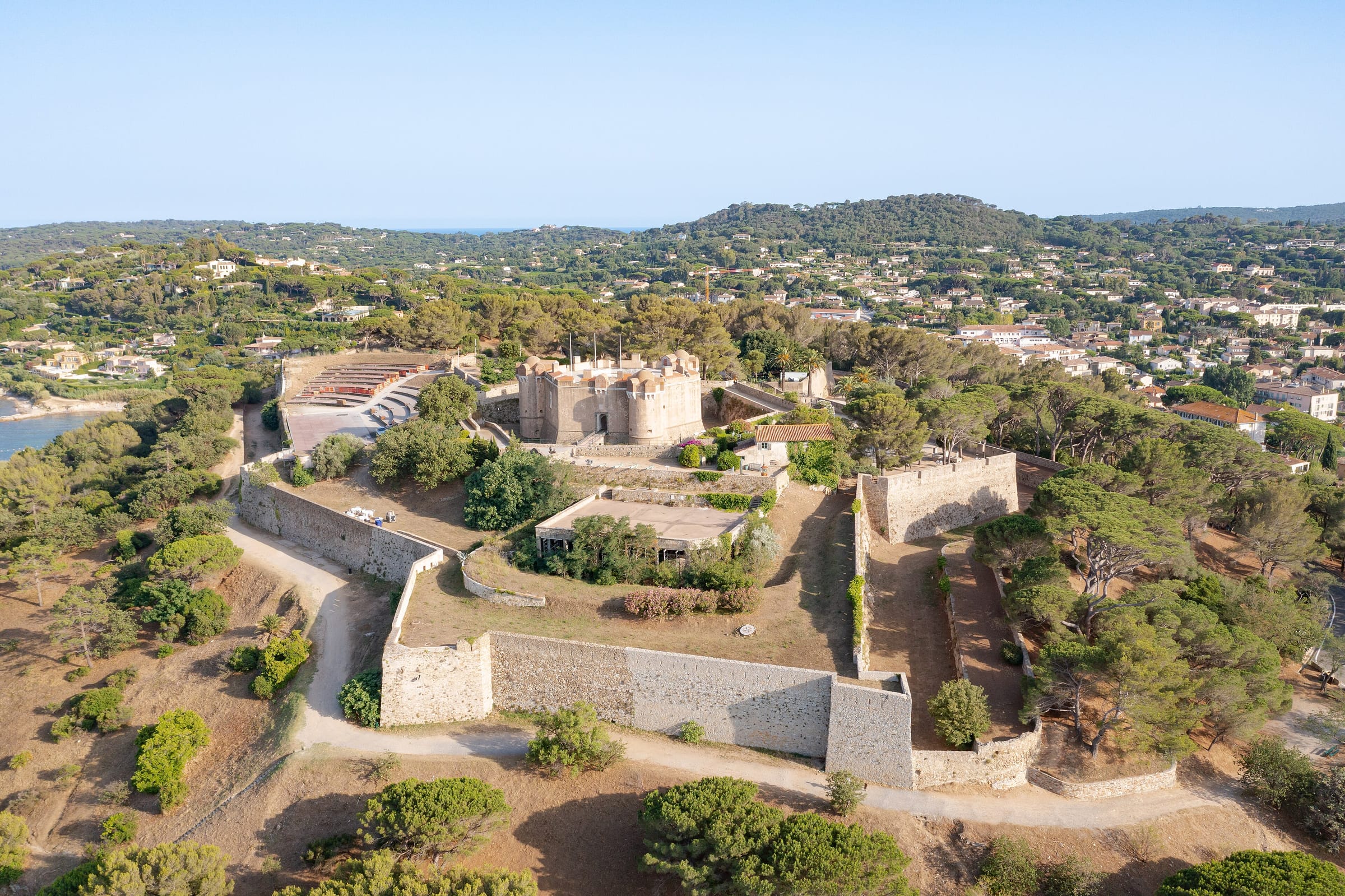
From Fishing Village to the Riviera's Most Famous Harbour
Saint-Tropez is a coastal town in the Var department of south-eastern France, on the peninsula that bears its name, known for its colourful harbour, its beach clubs and its place in the history of glamour. It began as a fishing village, and the old quarter, La Ponche, still preserves narrow lanes and ochre houses. Painters including Paul Signac discovered its light in the late nineteenth century, and the Musee de l'Annonciade holds a notable collection of their work, bringing real artistic weight to a town known for its sunshine.
Fame arrived in the 1950s, when the film And God Created Woman, starring Brigitte Bardot, was shot here in 1956 and put the town on the world map. Today, superyachts line the quay at the Vieux Port while locals play petanque beneath the plane trees on Place des Lices, and the hilltop Citadelle looks over the bay. Cafes along the harbour make people-watching an art, and the sense of ease in the evening light has changed little in decades.
Pampelonne, Tarte Tropezienne and Harbour Evenings
Pampelonne beach, a long crescent of pale sand a few kilometres from the village, is the heart of summer, with beach clubs, restaurants and water sports lining its length. Quieter coves and rocky headlands offer alternatives, and the coastal path around the peninsula is a scenic walk. The Tarte Tropezienne, a cream-filled brioche created in the town in the 1950s, is a signature treat, while the market on Place des Lices, held on Tuesday and Saturday mornings, brings Provencal produce, olives and flowers.
The calendar adds colour: the Bravades in May honour the town's patron saint with processions and music, and Les Voiles de Saint-Tropez each autumn gathers classic and modern sailing yachts in a spectacular regatta. Neighbouring Port Grimaud makes an easy canal-side contrast, while the French Riviera unfolds to the east. A hotel group or villa operator can use the gulf to present everything from beach-club days to hilltop vineyard stays, with Marseille a short onward journey.
Seasons and Getting to the Gulf
Summer is Saint-Tropez at full voltage, with warm sea and a lively harbour, while June and September give the same sunshine with a gentler pace. Spring brings blossom and quiet lanes ideal for walking the Citadelle, and early autumn adds the sailing regatta and the vineyard harvest across the peninsula. In winter, the town is calm and local, offering a very different character for visitors who like their Riviera uncrowded.
The village has no railway station, which is part of its charm. Visitors fly into Nice or Toulon-Hyeres and continue by road, or travel by sea: seasonal boats connect Saint-Tropez with Sainte-Maxime and, in summer, with Nice and other ports along the coast. It fits neatly into a wider Mediterranean trip that might continue to Corsica or Portofino in Italy. For boards and airlines, VisitStTropez.co.uk presents Saint-Tropez as an icon with real depth, from art to sailing.
Beach Clubs, Village Hotels and Vineyard Retreats
Saint-Tropez offers stays to match every mood. In the village itself, small boutique hotels sit behind the harbour and in the lanes of La Ponche, perfect for couples who want to be close to restaurants and the market. On the Pampelonne coast, beachfront hotels and clubs offer sea views and sand underfoot, a lively choice for groups of friends, while on the hills above, secluded villas with pools and gardens suit families and larger parties who want space, privacy and a view over the gulf.
Ramatuelle, a pretty hill village above Pampelonne, has charming small hotels among vines and pines, and the Cap Taillat and Cap Camarat coast is a quieter, wilder corner for walkers. Sainte-Maxime, across the bay, has a sandy town beach, a promenade and a more relaxed, family-friendly feel, and Gassin and Grimaud offer rural stays within easy reach. A hotel group could pair a village hotel with a beach-club week, and the wider Riviera is a short drive east, with Corsica a sailing journey away.
Petanque, Provencal Rose and the Sailing Season
Saint-Tropez eats simply and well. Beyond the famous tart, try bouillabaisse at the harbour, grilled sea bream with fennel, sun-ripened tomatoes drizzled with local olive oil and the crisp salads of Provence. The peninsula's vineyards produce pale Provencal rose, a signature of regional heritage, and cafes on Place des Lices are the place for a morning coffee while watching a game of petanque. Artisans sell espadrilles, linen and sandals, and the village's galleries show local painters in the tradition of Signac.
The calendar is lively. The Bravades in May celebrate the town's patron saint with costumed processions and musket salutes, summer brings concerts and fireworks over the bay, and autumn brings Les Voiles de Saint-Tropez, when classic wooden yachts race in the gulf. Spring and autumn offer quiet harbour walks and clear light, while the olive harvest arrives in late autumn. The Musee de l'Annonciade and the Citadelle museum give cultural options for any day. Tourist boards can use VisitStTropez.co.uk to publish the full calendar for planners.
Coastal Paths, Sailing Days and Easy Excursions
The peninsula is a gift to active guests. The coastal path from Saint-Tropez to Pampelonne is among the most scenic walks of the Riviera, cyclists enjoy the quiet roads through vines and pine, and sailing, kayaking and paddleboarding are available from the harbour and beaches. Divers explore the clear water around Cap Lardier, and golfers can play nearby in the Var hills. Horse riding through the countryside and tennis tournaments fill the sunny days, and many hotels organise wellness and yoga programmes by the sea.
Excursions open the surrounding area. The hill villages of Gassin, Ramatuelle and Grimaud, with its castle ruins, make easy half-days, and the Cote des Maures and the Iles d'Hyeres, reached by boat from the mainland, offer wilder shores. Seasonal boats link Saint-Tropez with Sainte-Maxime, and Cannes or Nice are reached in a morning by road. A longer route might add Port Grimaud by water and Marseille to the west, and an airline could offer Nice and Toulon-Hyeres as twin gateways.
Planning your stay
St Tropez grew from a fishing port into a global name after the 1950s, when film stars made its harbour and beaches fashionable. Today the old town, the harbour with its yachts, the Place des Lices market and the citadel are the main sights, while Pampelonne beach to the south holds the beach clubs.
The village sits on the Gulf of Saint-Tropez, close to Port Grimaud across the bay, with the wider coast covered in our French Riviera guide. Visitors who want a city break can add Marseille or the island of Corsica to a longer trip.
When to go
July and August are the peak, with the best-known beach clubs and the heaviest traffic. June and September are warm, with more space and lower rates, and many travellers consider them the better months for a first visit. In winter the town is quiet and a number of restaurants, hotels and clubs close, so check opening dates before booking outside the season.
The town is small, so book well ahead for July and August and for any weekend with a regatta or event. Prices in high summer are among the highest on the coast.
Getting there
There is no train station in St Tropez. Most visitors fly into Nice Côte d'Azur, about two hours from London, then travel roughly two hours or more by road, depending on traffic, or fly to Toulon-Hyères, which is closer. A seasonal boat link across the bay from Sainte-Maxime is a useful way to avoid the peninsula road in summer.
The main road onto the peninsula is often congested at weekends and in the high season, so allow generous time for airport transfers and for the return journey, and book transfers rather than relying on spontaneous taxis.
Entry requirements
A trip to St Tropez falls under France's Schengen rules, so UK visitors can travel without a visa for up to 90 days in any 180-day period as tourists. For St Tropez, if you fly into Nice or Toulon-Hyères, your passport must have been issued less than 10 years before that day and must expire at least three months after the day you plan to leave the Schengen area.
On the way into France for St Tropez, cash or travellers cheques worth 10,000 euros or more must be declared, including if you land at Nice or Toulon-Hyères.
Before you travel
Entry requirements and official travel guidance are updated regularly, so check the latest position with your government before booking. The sources we used are listed at the foot of this page.
Why St Tropez matters to the industry
St Tropez has a global name and a short season, so every booking enquiry counts. VisitStTropez.co.uk lets a hotel group, tourist board or airline publish clear answers on timing, transfers and costs, and our AI platform carries them to searchers.
Browse our other destination guides, or read how OTA partnerships turn guidance into bookings.
Questions travellers ask about St Tropez
How do you get to St Tropez from the UK?
Fly to Nice, about two hours from London, and continue by road, or fly to Toulon-Hyères. There is no train station, and a seasonal boat link runs from Sainte-Maxime.
When is the best time to visit St Tropez?
June and September offer warm weather with fewer crowds than July and August. Many venues close in winter, so check dates first.
Do I need a visa for France?
Not for tourist stays of up to 90 days in any 180-day period in St Tropez. For St Tropez, your passport must be under 10 years old and valid for three months after you leave the Schengen area.
What is Saint-Tropez best known for?
Saint-Tropez is best known for its colourful harbour, Pampelonne beach, Place des Lices market, the Tarte Tropezienne and its film-star history, which began when Brigitte Bardot starred in And God Created Woman, shot there in 1956.
How do I get to Saint-Tropez from the UK?
Most visitors fly to Nice or Toulon-Hyeres and continue by road, or use seasonal boat services from Sainte-Maxime and Nice. The village has no railway station, so a hire car or transfer is the usual option.
Where should I stay in Saint-Tropez?
Stay in the village for harbour life and restaurants, at Pampelonne for beach clubs and sea views, in Ramatuelle for hillside charm, or in a villa for privacy and space. Sainte-Maxime is a relaxed, family-friendly alternative across the bay.
What can I do in Saint-Tropez outside the summer season?
Walk the coastal path, visit the Musee de l'Annonciade and the Citadelle, browse the Place des Lices market and enjoy harbour cafes in the clear light. Autumn also brings the sailing regatta and the harvest.
In the Visit Travel Group portfolio: VisitStTropez.co.uk.