A Reef at Every Doorstep on Dutch Bonaire
Bonaire is a small island in the southern Caribbean and a special municipality of the Netherlands, known for its marine park, its shore diving and its flocks of flamingos. Part of the ABC islands with Aruba and Curaçao, it is shaped like a boomerang about 24 miles long, with Kralendijk as the capital and a population of around 20,000. The island has a dry, desert-like interior of cactus and scrub, and an unspoilt coast where reef begins close to the shoreline. It is an island of unusually quiet, low-key character.
The whole coastline is protected within the Bonaire National Marine Park, established in 1979, and visitors can enter the reef straight from the beach at dozens of marked sites along the west coast, each indicated by a yellow stone. The reef is known for its clear water and healthy coral. The island's culture is Dutch-Caribbean, with Papiamentu spoken alongside Dutch, and nearby Aruba and Curaçao share the heritage. Many divers combine all three for a Dutch Caribbean tour.
Flamingos, Salt Pans and Lac Bay
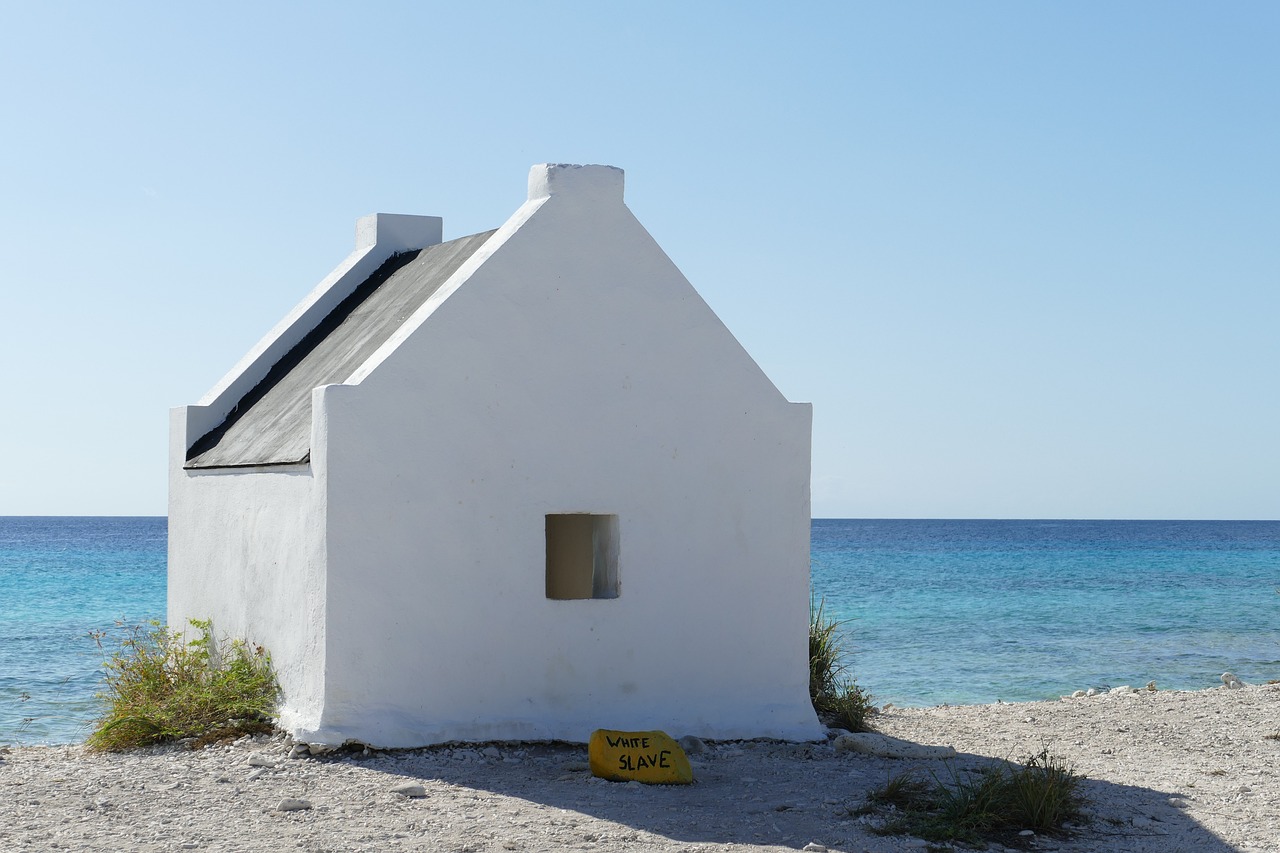
Above water, Bonaire has plenty to see. In the south, the pink-hued salt pans and white salt pyramids give the landscape an unearthly beauty, and the nearby flamingo sanctuary is among the Caribbean's major breeding sites for the pink birds. Old slave huts along the shore recall the history of salt-making. In the north, Washington Slagbaai National Park offers rough tracks, cacti, wild donkeys, and beaches that are quiet even in high season, which is ideal for a day with a jeep or on foot.
Lac Bay, on the east side, is a shallow, mangrove-fringed lagoon where windsurfing and kitesurfing are a speciality, and Sorobon Beach sits along its edge. Klein Bonaire, an uninhabited islet reached by a short boat ride, has some of the island's best snorkelling and a pale, empty beach. Rincon, the island's oldest village, offers local food such as goat stew and fresh fish. A tourist board can present a coherent eco-and-adventure story that appeals to divers, birdwatchers and wind-sport enthusiasts.
When to Go and How to Reach Bonaire
Bonaire enjoys a dry, sunny climate for most of the year, and diving is excellent in every month, with calm west-coast waters and good visibility. The island is popular from December to April, while summer is warm and quieter, with strong winds at Lac Bay suiting wind sports. Local events include the Karnaval in the weeks before Lent and the Simadan harvest festival, which celebrates island traditions with music and food in Rincon.
Flamingo International Airport is the main gateway, with services linking the island to Amsterdam, North America and neighbouring Caribbean islands, and short flights connect to Curaçao and Aruba. Most visitors stay near Kralendijk or along the west coast, hiring a pickup to explore the island. Linked to the wider Caribbean, Bonaire pairs easily with Grenada and the Grenadines for a second dive-focused stop, and Bonaire.co.uk gives airlines and hotels a place to tell the whole story.
Where to Stay on a Diver's Island
Bonaire's accommodation is shaped by its reef. Along the west coast just north and south of Kralendijk, dive resorts, apartments and small hotels are built beside the shoreline, with their own docks, tanks and boat departures, so a diver can walk to the water. Kralendijk itself has harbourfront hotels, restaurants and shops within strolling distance, suitable for couples and groups who like a lively evening atmosphere after a day's diving. Villas and holiday homes, many with pools, suit families and larger parties who want more space.
Elsewhere, the mood is different. On the east side, near Lac Bay, small lodges and guesthouses suit windsurfers and kitesurfers, who rise early to catch the breezes. Rincon, the island's historic village in the north, has simple guesthouses and homestays with local character, and eco-lodges near the national parks suit birdwatchers and nature lovers. Boutique stays and apartment complexes provide self-catering convenience for long visits. Bonaire's small scale means no base is more than a short drive from the sea, so guests can choose a stay by atmosphere rather than distance.
Cactus Soup, Goat Stew and Island Festivals
Bonaire's cooking is simple, honest and rooted in the island's dry land. Sopi di kadushi, a hearty soup made from cactus and meat, is the island's signature dish, and kabritu stobá, goat stew, appears at family tables. Funchi, a cornmeal side dish, and pan bati, a flatbread, accompany fresh grilled fish, and local bakeries sell pastechi. Sea salt, harvested from the southern salt pans, is a proud local product, and aloe and cactus fruit appear in sweets and juices. Restaurants in Kralendijk and Rincon offer relaxed, harbourside dining.
Culture is a mix of Dutch and Caribbean traditions. King's Day on 27 April fills the streets with orange, music and games, Rincon Day brings the old village to life with food and dance, and Bonaire Day on 6 September celebrates local identity. The Simadan harvest festival, with traditional music and dishes, and the Karnaval season before Lent add colour, while dive-themed events and wind-sport competitions appear through the year. The Terramar Museum in Kralendijk tells the island's story, from the first inhabitants to salt-making. Every month has something to celebrate, and most events are free and welcoming to visitors.
Wrecks, Mangroves and Roads for Cyclists
Active ideas centre on the sea, but go further. The Hilma Hooker, a freighter resting on its side in clear water, is a favourite wreck dive, and the Thousand Steps site and Salt Pier are well-known shore dives. Kayakers paddle through the mangrove nursery at Lac Bay, a calm, shallow channel with birdlife, and kitesurfers and windsurfers enjoy the lagoon's flat water. Cyclists find quiet roads and rolling terrain, with a loop past the salt pans, flamingo lagoons and Washington Slagbaai National Park, and birdwatchers can see flamingos, parrots and many shorebirds in a single morning.
Bonaire also works well as part of a regional route. Short flights connect to Curaçao and Aruba, and longer connections reach Colombia or Tobago for another reef and rainforest island. Divers sometimes combine Bonaire with St Lucia for a different kind of underwater scenery. An AI platform could help divers, birdwatchers and wind-sport fans plan the right days, matching shore dives, boat trips and quiet beaches, so that a small, unhurried island offers a well-paced week with no wasted time between the water and the table.
Planning your stay
Bonaire's reputation rests on its reefs, which lie just off the west coast and can be reached from the shore. Many dive operators run on a simple model: hire a tank and a vehicle, then dive when and where you like at marked sites along the coast. The surrounding waters are protected as a marine park, and visitors pay a fee for it, so confirm the current charge with your operator.
Away from the water, the island has salt pans, a coastline with flamingos, a small capital at Kralendijk and a landscape that is dry and cactus-lined rather than lush. It suits divers, birdwatchers, cyclists and anyone who prefers quiet evenings to big resorts.
Entry rules for UK passport holders
It says your passport must have an expiry date at least six months after the date you arrive, and that you must bring your passport when travelling from one island to another, because each island handles immigration separately.
UK visitors can stay for up to three months per island without a visa. Check the live page and the Netherlands Embassy for any other requirements before travel.
Weather and the hurricane question
It adds that there are occasional tropical storms. By contrast, it notes that St Eustatius, Saba and many islands in the northern and eastern Caribbean have experienced severe hurricanes.
The island is dry and sunny for most of the year.
Getting there
Flamingo International Airport is the arrival point for most visitors. There is no scheduled direct flight from the UK, and the usual route is a one-stop journey via Amsterdam, which KLM, TUI fly Netherlands and Corendon Dutch Airlines connect to Bonaire. Check connection times and baggage rules carefully, particularly for dive equipment, which airlines often treat as special baggage.
Airlines that serve the southern Caribbean reach travellers while they are choosing between islands, which is how our airline partnerships work.
Where it fits in the Dutch Caribbean
Bonaire is often paired with its neighbours. Curaçao is larger, with a historic capital, more beaches and a livelier dining scene, while Aruba is more resort-focused. All three are a short flight apart.
The Caribbean overview explains why the ABC islands sit outside the usual storm track. For dive operators, small hotels and tourist boards, a place on Bonaire.co.uk offers verified information and a conversational concierge that can answer the practical questions divers ask, and our hotel partner page explains how accommodation partners can join.
Before you travel
Entry requirements and official travel guidance are updated regularly, so check the latest position with your government before booking. The sources we used are listed at the foot of this page.
Planning a dive trip
Non-divers can snorkel from the same shoreline, so mixed groups are comfortable. Pair a week on the island with a few nights on Curaçao if you want restaurants and a city to explore, and see the wider Caribbean guide to compare it with other dive destinations. Hotels and dive centres can read how we work with tourism boards on our tourist board partner page, and browse the full list of destination guides.
Questions travellers ask about Bonaire
Is Bonaire good for non-divers?
Yes, for those who like snorkelling, birdwatching, cycling and quiet evenings. It is less suited to travellers who want nightlife and large resorts.
What is Bonaire best known for?
Bonaire is best known for shore diving within the Bonaire National Marine Park, flamingo sanctuaries, salt pans, Klein Bonaire's snorkelling and windsurfing at Lac Bay. It is a small Dutch Caribbean island with a quiet, unspoilt character.
How do I get around Bonaire?
Most visitors hire a pickup truck or car, which makes it easy to reach dive sites along the west coast, Washington Slagbaai National Park and Lac Bay. Taxis and organised tours are also available around Kralendijk.
Where should divers stay in Bonaire?
Divers usually stay on the west coast near Kralendijk, where dive resorts and apartments have their own docks and shore-entry sites. Lac Bay suits wind-sport fans, and Rincon suits travellers wanting a quieter village base.
What food should I try in Bonaire?
Try sopi di kadushi, a cactus soup, along with kabritu stobá (goat stew), funchi, pan bati and fresh grilled fish. Pastechi from local bakeries and sea salt from the southern salt pans are also popular.
In the Visit Travel Group portfolio: Bonaire.co.uk, Bonaire.uk.