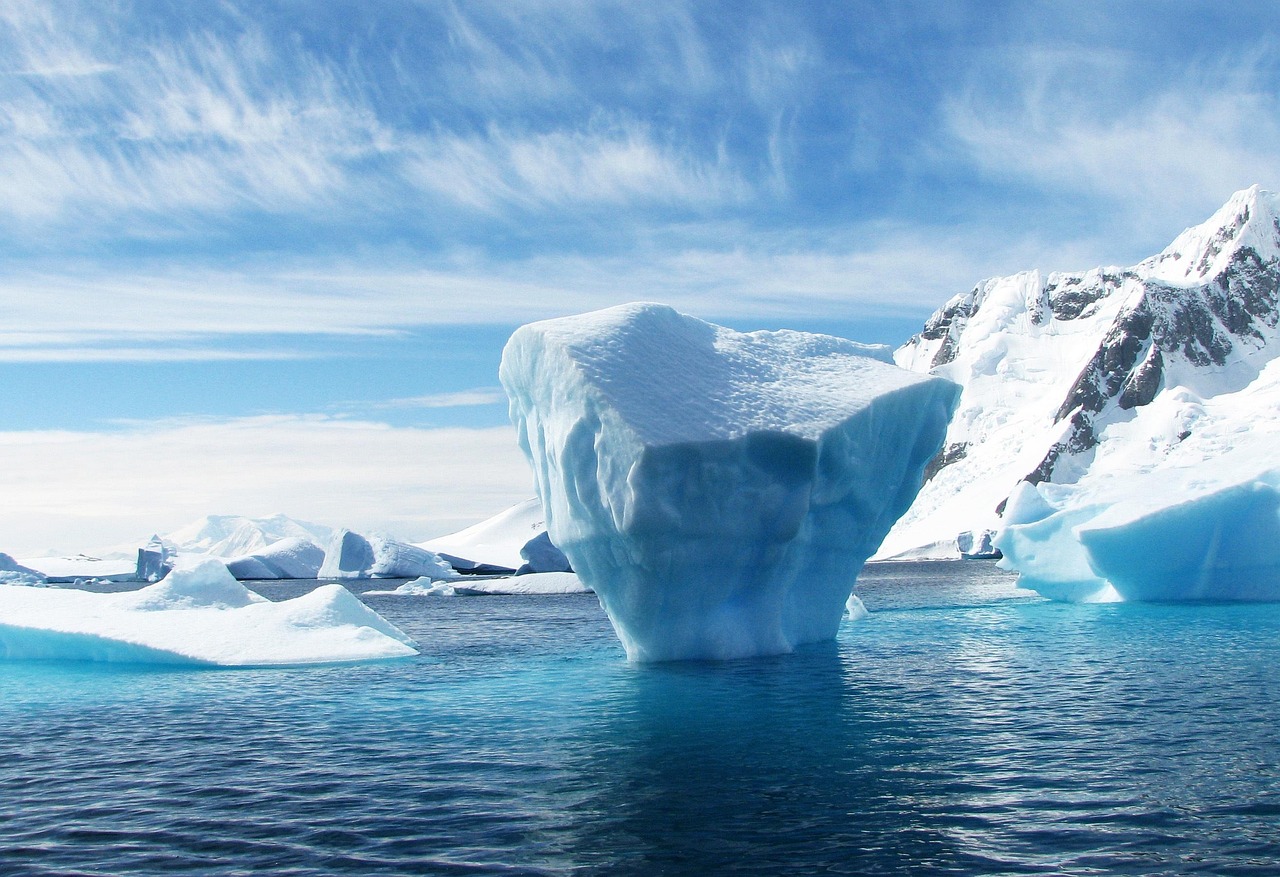
The White Continent at the Bottom of the World
Antarctica is Earth's southernmost continent, centred on the South Pole and almost entirely covered by an ice sheet, known for icebergs, glaciers, penguin colonies, whales and extraordinary light. It is larger than Europe in area and holds the vast majority of the world's fresh water as ice. No country owns the continent: the Antarctic Treaty, signed in 1959, reserves it for peace and science, and research stations from many nations operate across the ice.
The experience is one of scale and stillness. Zodiac boats nose between icebergs of impossible blue, humpback and minke whales surface beside the ship, and colonies of Adelie, chinstrap and gentoo penguins fill the beaches in summer. The history is gripping too, from Shackleton's Endurance expedition of 1914 to 1917 to Scott and Amundsen's race for the Pole, and visitors on the Peninsula can see historic huts and whaling stations that recall that heroic age.
Zodiac Landings, Penguins and Expedition Cruising
Most visitors go by expedition ship to the Antarctic Peninsula, the northernmost part of the continent, crossing the Drake Passage from Ushuaia in Argentina. Landings at sites such as Neko Harbour, Paradise Bay, Port Lockroy and Deception Island give a mix of wildlife, history and scenery, with expert naturalists guiding every outing. Port Lockroy has a restored British base and a post office, and Deception Island's steaming black beaches are a famous stop for ships.
Longer voyages add the Falkland Islands and South Georgia, where king penguins gather in their tens of thousands at St Andrews Bay. Activities can include kayaking, camping on the ice, snowshoeing and polar photography workshops, and a few operators fly guests to the interior for ice-camp stays. A booking platform can package these voyages for adventure travellers, and many guests link them with Rio de Janeiro, the Galapagos Islands or New Zealand, from where Ross Sea voyages also depart.
The Austral Summer and the Journey South
Visits take place during the austral summer from November to March. November brings fresh snow and courtship among penguins, December and January offer the longest daylight and active penguin colonies, and February and March are the best months for whale watching as the krill-rich seas attract humpbacks and orcas. Each month has its own character, which lets travellers choose an itinerary to match their interests.
From the UK, travellers fly to Buenos Aires and on to Ushuaia, or to Punta Arenas in Chile, before boarding a ship. Some itineraries fly over the Drake Passage to King George Island. A voyage generally lasts from about ten days to three weeks. For airline and tourism partners, VisitAntartica.co.uk gives a place to present the gateways, voyages and stories in one confident guide to the world's last great wilderness.
Choosing Your Ship, Your Route and Your Cabin
Antarctica is visited from the deck, not the hotel, so the choice of ship defines the stay. Small expedition vessels carrying about 100 guests or fewer can land everyone on the ice in rotation, while larger ships offer more amenities and cruise-style comforts but landings in smaller groups. Luxury expedition yachts add suites with balconies, spas and chef-led dining, and polar-class ships with ice-strengthened hulls can reach farther. Cabins range from simple twins with portholes to suites with private verandas, and every ship carries naturalists, historians, photographers and zodiac drivers who make each landing special.
Routes matter as much as vessels. Classic Antarctic Peninsula voyages take around ten days from Ushuaia, with two days each way across the Drake Passage. Longer trips add the Falkland Islands and South Georgia, where king penguins gather in colossal colonies, and the Weddell Sea route aims for emperor penguins. Fly-cruise options skip the crossing by flying to King George Island. The Antarctic Circle itineraries push further south, and Ross Sea voyages from New Zealand follow the footsteps of Scott and Shackleton. Choosing by wildlife, history or comfort level helps tailor the journey, and early booking is wise because the season is short.
Expedition Food, Polar Stories and the Season
Life aboard is surprisingly comfortable. Expedition kitchens serve hearty breakfasts, warm soups after cold landings, fresh bread, Argentine beef, Chilean seafood and desserts that suit the climate. Hot chocolate is poured at the end of zodiac trips, and many ships have lounges with panoramic windows. Afternoon lectures cover penguins, whales, glaciology and photography, and evening recaps share the day's sightings. Chefs often feature Patagonian lamb, king crab and local specialities during the days around Ushuaia and Punta Arenas, both of which are good places to sample regional cooking before boarding.
The stories of the continent are part of the experience. Shackleton's rescue of his crew, Amundsen's race to the Pole and Scott's final journey are told through lectures, books on board and visits to heritage huts at sites such as Port Lockroy. The season shapes the wildlife: November brings pristine snow and courtship, December and January chicks and long daylight, and February and March whales. Museums in Ushuaia, Punta Arenas and Stanley, in the Falklands, offer background, and the end of the world feeling is celebrated with a certificate for crossing the Antarctic Circle. Cultural events at gateway cities add to the build-up.
Kayaks, Camping and Gateway Cities to Add
Activities go beyond landings. Zodiac cruising among icebergs, kayaking in sheltered bays, snowshoeing across fresh powder and the optional night camping on the ice give a sense of intimacy. Photography workshops teach long lenses and light, citizen science projects invite guests to log whales and bird counts, and some voyages include polar plunges for the brave. Ski mountaineers join specialist departures, and a few operators offer paddling, ice climbing and scuba for experienced guests. Wildlife encounters include gentoo penguin colonies, leopard seals on ice floes, humpbacks lunge-feeding beside the ship and wandering albatrosses gliding on the swell.
The best journeys build in time at the gateways. Ushuaia offers the Tierra del Fuego National Park and Beagle Channel cruises, Buenos Aires adds tango and steak, and Punta Arenas gives Magellanic penguin colonies. Add Patagonia's Torres del Paine for walking, Rio de Janeiro for a beach finish, or Colombia and the Galapagos to create a great wildlife year. From the Pacific side, New Zealand is the gateway for Ross Sea trips. An booking platform can help match voyages to interests, while Australia's Hobart is another Antarctic gateway with a strong polar heritage.
Planning your stay
Antarctica is governed under the Antarctic Treaty system, and most visitors travel on an organised expedition. The Foreign, Commonwealth and Development Office says most visitors to Antarctica arrive by sea. Ships typically sail from southern South America, crossing the Drake Passage to the Antarctic Peninsula, where landings by inflatable boat allow visits to penguin colonies, seal beaches and historic sites.
Other expeditions cover the Falkland Islands and South Georgia, and a small number fly in for inland or ski trips. As a wildlife journey it is comparable with the Galápagos Islands, and travellers who combine the two often add Rio de Janeiro or Colombia to a longer South American trip.
When to go
Winter starts in late April and lasts until early October, and temperatures can reach minus 40 degrees Celsius or colder, with very little sunlight.
In practice, the season is a matter of choice between early summer for snow and courtship, mid summer for chicks and long daylight, and late summer for whales. Operators publish departure dates for each season, and cabins on popular voyages sell out well in advance.
Operators and the IAATO
Ask how landings are managed, what the vessel's ice class and medical facilities are, and what the operator's procedures are for weather delays and emergencies.
Insurance, health and evacuation
Check TravelHealthPro for medical advice before you travel, because help is far away.
Before you travel
Entry requirements and official travel guidance are updated regularly, so check the latest position with your government before booking. The sources we used are listed at the foot of this page.
Why Antarctica matters to the industry
Antarctica is an aspirational, high-value journey where travellers read everything before they commit. VisitAntartica.co.uk lets a tourist board, airline or hotel group in the gateway cities publish clear guidance, and our AI platform carries it to searchers.
Compare more expedition destinations in our destination guides, or see how booking platforms reuse this content on the OTA page.
Questions travellers ask about Antarctica
What is Antarctica best known for?
Antarctica is best known for its vast ice sheet, icebergs, penguin colonies, whales and the stories of polar explorers such as Shackleton, Scott and Amundsen. It is protected under the Antarctic Treaty of 1959, which reserves the continent for peace and science.
When is the best time to visit Antarctica?
The austral summer, November to March, is the visiting season. November suits snow and penguin courtship, December and January offer the longest daylight and chicks, and February to March is best for whales.
What kind of ship should I choose for Antarctica?
Small expedition ships of about 100 guests or fewer offer the most landings, while larger ships bring more amenities. Luxury yachts add spas and suites. Choose by route, wildlife aims and comfort level, and book early for the short season.
What food and activities are on an Antarctic cruise?
Ships serve hearty meals with fresh bread, Argentine beef and Chilean seafood, plus hot chocolate after landings. Activities include zodiac cruising, kayaking, snowshoeing, camping on the ice, photography workshops and lectures by naturalists.
In the Visit Travel Group portfolio: VisitAntartica.co.uk, AntarticaExpeditions.co.uk, AntarticaHolidays.co.uk, TheAntartica.co.uk.