Where Jazz, Gumbo and Mardi Gras Began
Louisiana is a Gulf Coast state in the southern United States, known for New Orleans, the birthplace of jazz, for Creole and Cajun cooking, and for Mardi Gras. Its culture grew from French, Spanish, African and Native American roots, and the result is unlike anywhere else in America: a state with parishes instead of counties, French place names and a musical heritage that shaped the modern world. The Mississippi River winds through it to the Gulf, and the Louisiana Purchase of 1803 began here, in a story that still shapes the state.
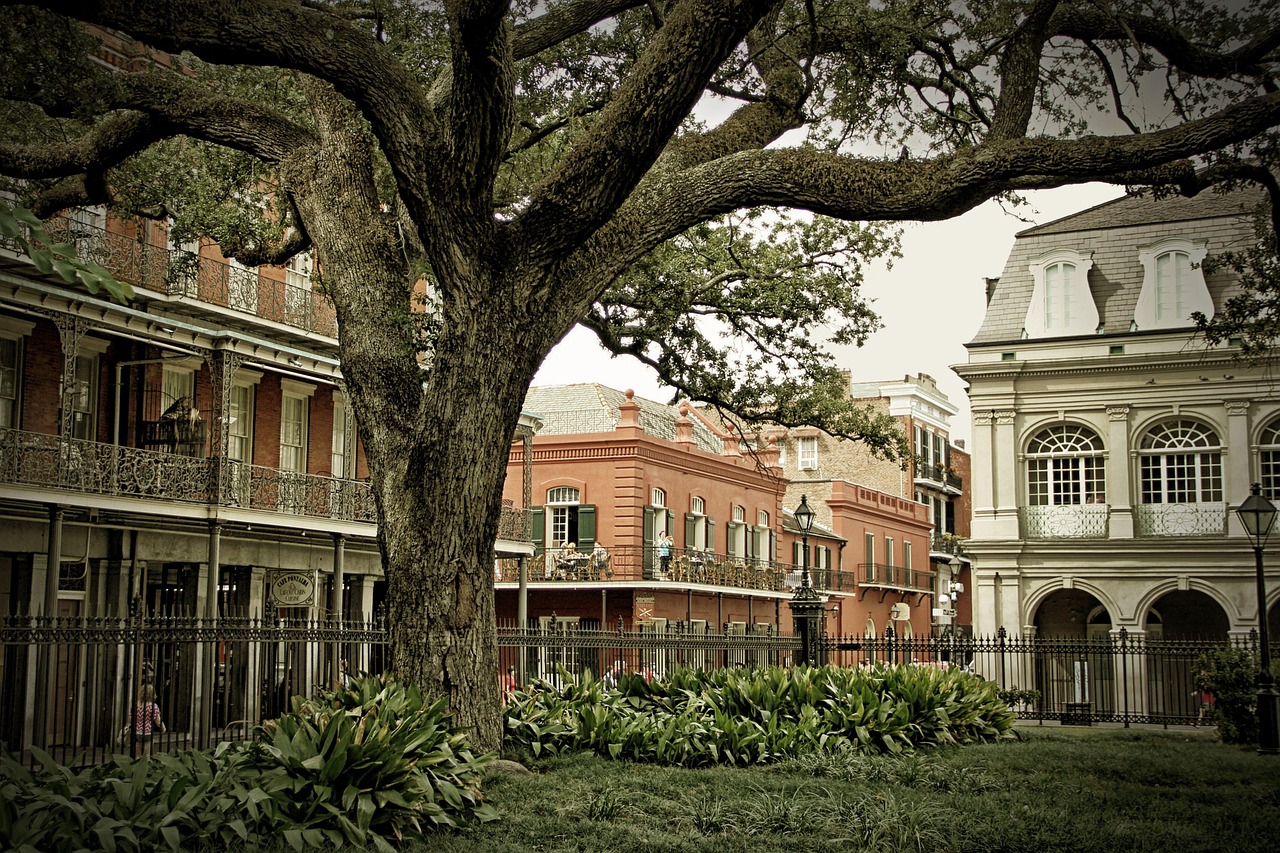
New Orleans is the headline. The French Quarter, laid out in the early eighteenth century, is a grid of iron balconies, courtyards and brass bands, while the Garden District answers with oak-lined avenues and grand porches. Frenchmen Street is the place for live jazz, and the streetcar along St Charles Avenue is one of the city's most graceful rides. For a tourist board, this is a destination with a story to tell in every neighbourhood.
Creole Tables, Cajun Country and Bayou Light
Food is the state's calling card. Gumbo, jambalaya, red beans and rice, po'boys, crawfish boils and beignets dusted with sugar at Cafe du Monde each have their own devoted following. Creole cooking, rooted in New Orleans, and Cajun cooking, from the countryside, are distinct traditions that reward tasting side by side. Westward, Acadiana around Lafayette keeps Cajun French alive through zydeco, fiddle music and Saturday dance halls, and the Atchafalaya Basin offers boat tours through cypress swamp at a slow, golden pace.
Baton Rouge, the state capital, adds a handsome 1930s Art Deco capitol and riverside museums, while plantation-era houses along the river road tell the region's wider history. Fellow Gulf neighbours make easy companions: Mississippi lies just to the east with its Gulf Coast and blues trail, Texas stretches to the west, and Florida is a short way along the coast. A hotel group can build a whole itinerary from this variety.
Festival Calendar and When to Visit
Louisiana lives by its calendar. Mardi Gras, culminating on Fat Tuesday before Lent, fills New Orleans with parades, costumes and marching bands over the weeks beforehand. In spring, the French Quarter Festival and the New Orleans Jazz and Heritage Festival bring music to streets and fairgrounds, while autumn adds food festivals and cooler evenings. Late winter through spring and October to November are the most comfortable seasons for walking the city and exploring the bayous.
New Orleans has an international airport and the state is well linked to US hubs, so UK visitors usually connect on a single stop. Many pair the city with a drive into Cajun country, a Mississippi River steamboat cruise or a few days on the Gulf coast. With VisitLouisiana.co.uk as a clear address for this mix of music, food and landscape, airlines and booking platforms can present Louisiana as a destination that rewards return visits.
Where to Stay From Quarter to Bayou
Louisiana offers a stay for every temperament. In New Orleans, the French Quarter suits first-timers who want courtyard hotels, balconied rooms and live music within a few steps. The Garden District and Uptown, along St Charles Avenue, favour couples with guesthouses in oak-shaded mansions and a streetcar at the door. The Warehouse District, close to the National WWII Museum and the galleries of Julia Street, has sleek modern hotels, while Marigny and Bywater, with their colourful cottages, cafes and small music rooms, appeal to creative travellers who like to live like locals.
Beyond the city, Louisiana's character shows in its lodgings. Along the Mississippi River Road, restored plantation houses offer overnight stays among old live oaks. In Acadiana, around Lafayette and Breaux Bridge, bed and breakfasts and bayou-side cabins put guests close to dance halls and crawfish kitchens. The north shore of Lake Pontchartrain, at Covington and Mandeville, offers a calmer, leafy base with spas and cycling trails. A hotel group can weave these into a single route, pairing a few Quarter nights with a country retreat.
Roux, Second Lines and the Festival Year
Beyond gumbo and po'boys, Louisiana's table runs deep. Crawfish etouffee, the muffuletta sandwich piled with olive salad, boudin sausage, pralines and bread pudding all have devoted followings, and chicory coffee with hot milk is the proper companion to a plate of beignets. King cake appears from Twelfth Night, ringed with purple, green and gold sugar. Craft traditions are just as local: Mardi Gras Indian suits are beaded by hand over months, wrought-iron balconies are still forged in the Quarter, and Cajun accordions and fiddles are built in Acadiana workshops.
Music is part of daily life, from brass bands and second line parades through the streets to the historic rooms of Preservation Hall and the zydeco dances of Lafayette. Architecture adds Creole cottages, shotgun houses in rainbow colours and the cast-iron galleries of the Quarter. The calendar rolls from carnival season in February to the French Quarter Festival in spring and Jazz Fest at the end of April, Satchmo Summerfest in August, Festivals Acadiens et Creoles in Lafayette in October and Christmas Eve bonfires along the river levees.
Swamp Tours, Steamboats and Acadiana Roads
Louisiana rewards time on the water. Boat tours of the Atchafalaya Basin and Honey Island Swamp glide beneath cypress trees draped in Spanish moss, with herons, egrets and alligators for company. Kayaking and paddle boarding are popular along bayou trails, birdwatching is outstanding in spring, and a steamboat cruise on the Mississippi gives a slower view of the river that built New Orleans. Golfers will find courses near Lafayette and across the north shore, and cyclists enjoy the levee paths. For a long road-and-rail journey, the story connects naturally with Memphis and the Delta blues farther upriver.
Day trips are plentiful. The River Road plantations lie an hour or so from New Orleans, Breaux Bridge celebrates itself as a crawfish capital, and Avery Island's Jungle Gardens combine bird sanctuaries with sculpted landscapes. Natchitoches, the state's oldest settlement, is known for its riverside streets and its winter lights. Grand Isle offers coastal fishing. Anyone planning a wider Southern circuit can link Louisiana with Tennessee or continue west to Houston, and an AI platform can help travellers build a day-by-day route that matches their pace.
Planning your stay
New Orleans is the main draw, with the French Quarter, live jazz, Creole cooking and a strong festival calendar, including the Carnival season that leads up to Mardi Gras, a date that moves each year. West of the city, Cajun country around Lafayette is known for food, zydeco music and the bayous, and the Mississippi River has historic plantation houses that tell a complicated history.
Louisiana sits between Texas to the west and Mississippi to the east, so it combines well with a Gulf coast or Deep South road trip. Houston is the usual gateway for those flying into Texas first, and Memphis and Tennessee sit to the north for a music-led route up the river.
When to go
Spring and autumn are the most comfortable, with festivals in both seasons. Summer is hot and humid, with heavy afternoon rain, and winter is mild but can be damp. Check festival and event dates before you book, because hotel prices rise sharply and rooms sell out during major events.
Plan a few days in New Orleans and Cajun country with the Atlantic hurricane season in mind, because it normally runs from June to November, and hurricanes can affect coastal regions.
Entry rules and getting there
Time in Cuba on or after 12 January 2021 rules out an ESTA, which matters if Louisiana is your next US trip.
Direct flights from London to New Orleans have operated at times, taking about ten hours, and otherwise visitors connect through a US hub, so check current schedules. Immigration at New Orleans can be slow, so do not book a tight connection on the way to Louisiana.
Before you travel
Entry requirements and official travel guidance are updated regularly, so check the latest position with your government before booking. The sources we used are listed at the foot of this page.
Why Louisiana matters to the industry
Louisiana is a distinctive cultural brand, and UK interest centres on music, food and festivals. VisitLouisiana.co.uk lets a tourist board, hotel group or airline publish clear answers on seasons, events and routes, and our AI platform carries them to searchers.
Browse our other destination guides for comparison with other culture-led state brands.
Questions travellers ask about Louisiana
When is the best time to visit Louisiana?
Spring and autumn are the most comfortable, with festivals in both seasons. Summers in Louisiana are hot and humid, and the Atlantic hurricane season normally runs from June to November.
How do I get to New Orleans from the UK?
Direct flights have operated at times and take about ten hours. Otherwise connect through a US hub. Check current schedules.
What is Louisiana best known for?
Louisiana is best known for New Orleans, the French Quarter and the birthplace of jazz, along with Creole and Cajun cooking, zydeco music in Acadiana and Mardi Gras. Its bayous and the Mississippi River give the state a landscape found nowhere else.
When is the best time to visit Louisiana?
Late winter and spring suit Mardi Gras, the French Quarter Festival and Jazz Fest, while October and November bring comfortable evenings and food festivals. Each season has its own events, so the best month depends on whether you want parades, music or bayou tours.
Where should I stay in New Orleans?
The French Quarter suits first-time visitors who want live music and historic hotels nearby. The Garden District is ideal for couples seeking quiet mansions and streetcar rides, while the Warehouse District and Marigny each offer modern or creative alternatives with excellent dining.
What food should I try in Louisiana?
Try gumbo, jambalaya, crawfish etouffee, boudin and a muffuletta sandwich, then finish with beignets and chicory coffee. In carnival season, king cake is a must, and pralines make a lasting souvenir of Creole and Cajun cooking.
In the Visit Travel Group portfolio: VisitLouisiana.co.uk.