The FCDO position, stated plainly
In federal Iraq, the FCDO advises against all travel to the parts of Anbar province west of, but not including, Ramadi City; Diyala province except Baqubah City; Kirkuk, Ninawa and Salah al-Din provinces; Jurf al-Sakr town in Babil province; Sadr City in Baghdad province; within 5km of areas that border Iran in Wasit, Maysan and Basra provinces; and within 5km of Iraq's borders with Saudi Arabia and Kuwait.
It advises against all but essential travel to the remainder of Al-Muthanna, Al-Qadasiyah, Anbar, Babil (except Jurf al-Sakr), Baghdad (except Sadr City), Basra, Dhi Qar, Karbala, Maysan, Najaf and Wasit provinces, to Baqubah City, to sections of Highway 34 and Highway 2, and to the Kurdistan Region of Iraq. The FCDO says consular support is severely limited in areas it advises against, and that travel insurance could be invalidated if you travel against its advice.
Entry rules
For readers who have to explain the rules, the FCDO says your passport must have an expiry date at least six months after you arrive and at least one blank page, and that you must have a visa. You can no longer get a visit visa on arrival in federal Iraq and must apply on the Government of Iraq e-visa portal at least 24 hours before you travel. The visa costs 160 US dollars and is valid for 60 days, and you should hold a return ticket or a ticket onward to a third destination.
The Kurdistan Region has its own e-visa process, and it is also possible to get a visa on arrival there, but both types are valid for travel in the Kurdistan Region only. Weapon Authority Cards are required if you carry weapons, and foreign nationals have been arrested for failing to provide the correct documents.
Terrorism, kidnap and the security situation
The FCDO says terrorists are very likely to try to carry out attacks in Iraq, including in the Kurdistan Region, and that foreign nationals are high-value targets. It says there is a high threat of kidnapping throughout Iraq, that British nationals are seen as legitimate targets, including tourists and business travellers, and that the British Government does not make substantive concessions to hostage takers.
It also reports recent attacks by artillery, drones and rockets in some areas, continuing targeting of coalition military installations, and intermittent strikes on Iranian-Kurdish opposition groups in the Kurdistan Region, including around Rawanduz and Koya.
Regional tensions
On Iraq, the FCDO repeats that the US and Iran announced a memorandum of understanding on 17 June, but the situation in the Middle East remains unpredictable. Since 8 July there have been strikes and retaliatory attacks by Iran in a number of locations across the region, including Iraq and the Kurdistan Region, against US military and civilian infrastructure, and there is a risk of more attacks and unforeseen escalation.
It advises British nationals in the region to be prepared for flight cancellations, airspace closures and disruption, to sign up to FCDO email alerts, to monitor local and international media and to keep departure plans under review. Our check of the Iraq page found it updated on 22 July 2026 and marked as still current on 4 October 2026.
Heritage in context
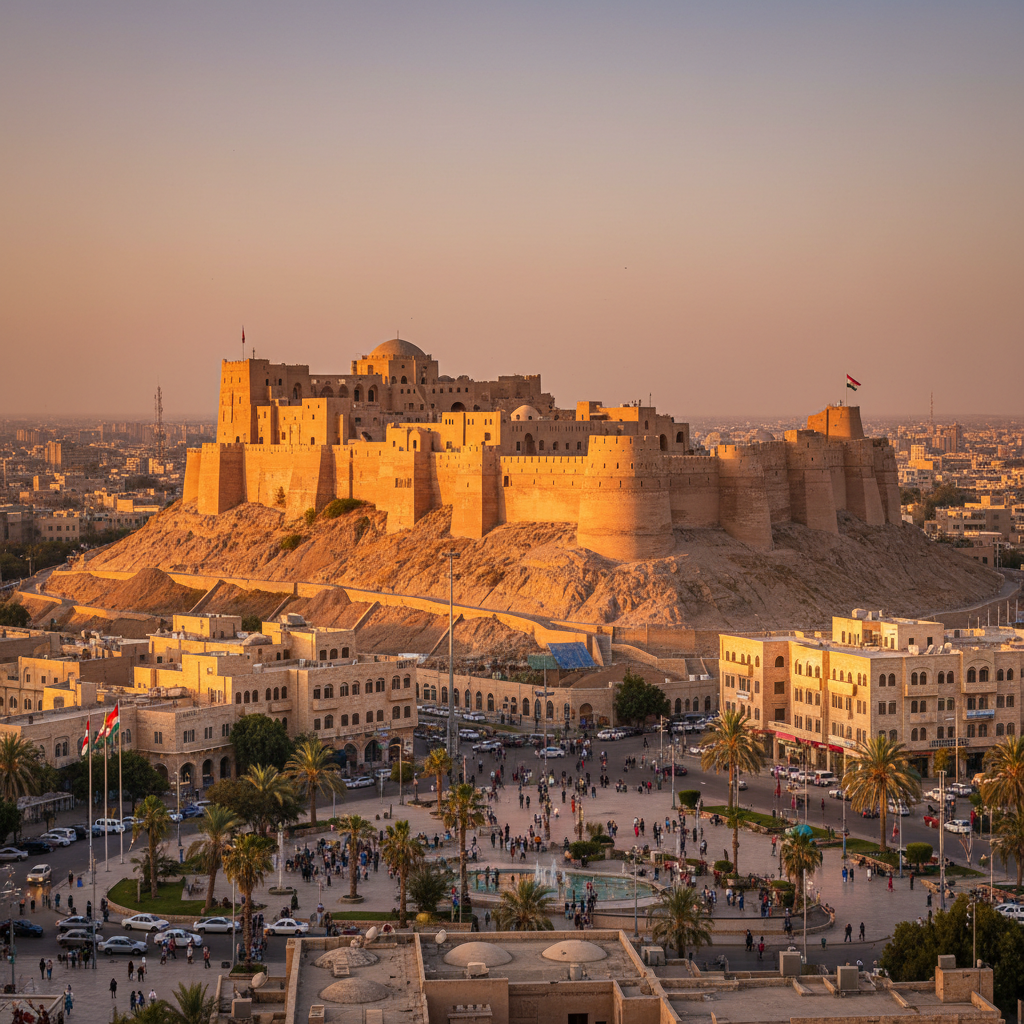
Iraq holds major heritage, and the UNESCO list includes Babylon and the Erbil Citadel. Both lie in areas the FCDO currently advises against all but essential travel to: Babylon in Babil province and Erbil in the Kurdistan Region. We note this so that no reader mistakes the existence of a heritage site for evidence of safe or available travel.
What this means for the industry
This guide exists to record the FCDO position accurately, not to promote travel to Iraq. VisitIraq.co.uk would be useful to an airline, tourist board or online travel agency only if it states the current advice in full and keeps it up to date, and any commercial use should follow what the FCDO says.
Other Middle East guides on our network, such as Qatar, Doha, Tel Aviv and Eilat, sit under different FCDO advice, so never read one country's position across to another. See our destination guides and AI platform for how we keep each guide current.
Questions travellers ask about Iraq
Does the FCDO advise against travel to Iraq?
Yes. It advises against all travel to listed parts of Iraq and against all but essential travel to other listed provinces and the Kurdistan Region. Consular support is severely limited in those areas, and insurance could be invalidated.
Do UK citizens need a visa for Iraq?
Yes. The FCDO says you must have a visa and cannot get one on arrival in federal Iraq. Apply on the e-visa portal at least 24 hours before you travel. The Kurdistan Region has its own e-visa process.
What is the kidnap risk in Iraq?
The FCDO says there is a high threat of kidnapping throughout Iraq and that British nationals, including tourists and business travellers, are seen as legitimate targets.
Is the Kurdistan Region covered by FCDO advice?
Yes. The FCDO advises against all but essential travel to the Kurdistan Region of Iraq and reports Iranian strikes there against opposition groups.
In the Visit Travel Group portfolio: VisitIraq.co.uk.