The Gulf's Smallest Emirate and Its Maritime Soul
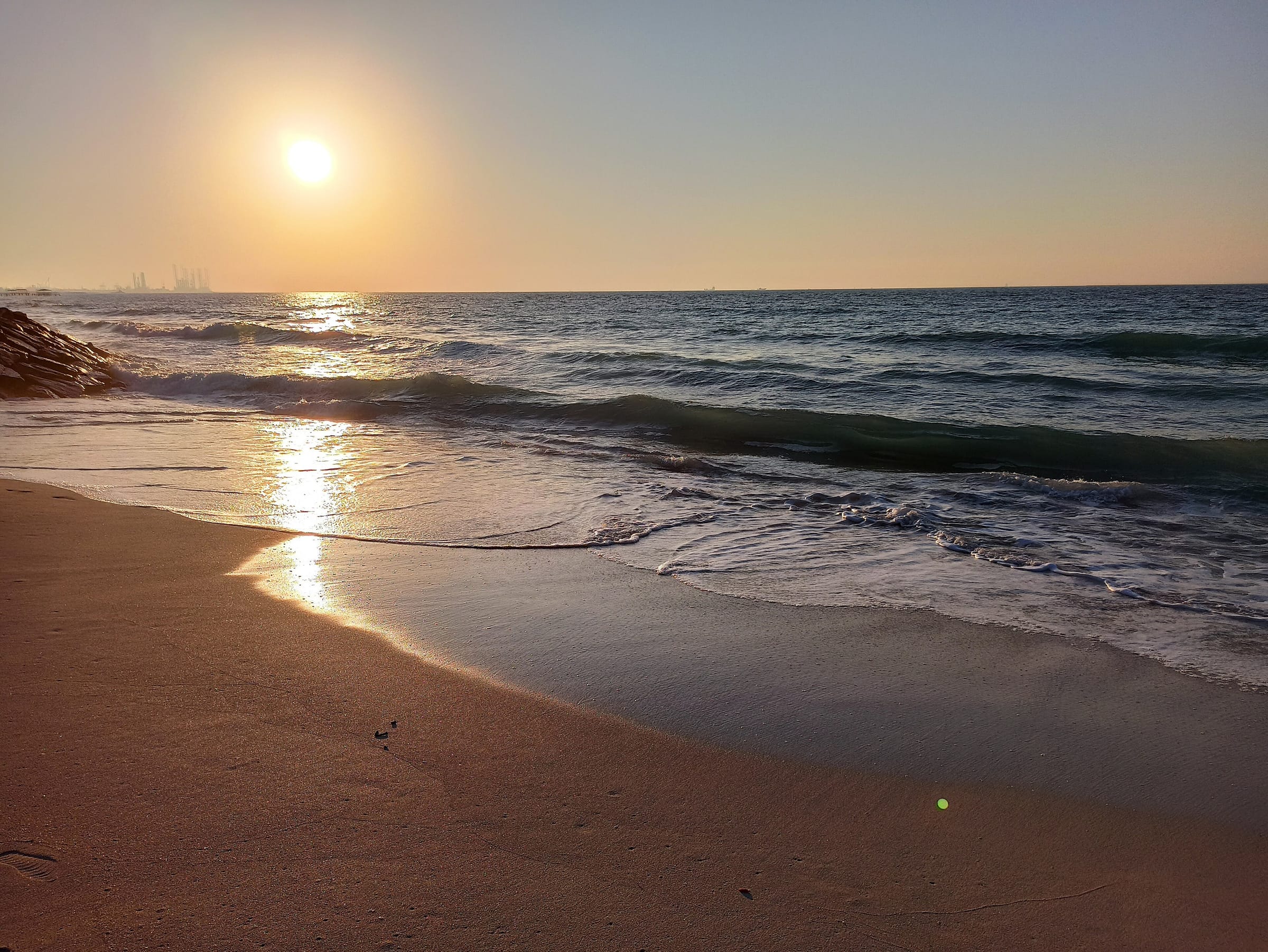
Ajman is the smallest of the seven emirates of the United Arab Emirates by area, a compact coastal emirate on the Arabian Gulf between Sharjah and Umm Al Quwain, known for its calm beaches, maritime heritage and relaxed pace. The city has a long seafront Corniche, a marina and a skyline of modern hotels, while the older quarters keep the feeling of a Gulf fishing and trading town. The emirate also includes exclaves inland, such as Masfout and Manama, which lie in the Hajar foothills.
Heritage is easy to find. Ajman Museum, housed in a fort dating from the late eighteenth century that was once the ruler's residence and seat of government, displays traditional weapons, manuscripts and scenes of Emirati life. Nearby, the dhow-building yards continue a craft that once supported pearl diving and trade, with carpenters shaping timber hulls in the open air. Within a short journey are Dubai, Sharjah and Umm Al Quwain, giving a rich choice of day trips.
Al Zorah Mangroves, Beaches and Fresh Seafood
Nature is part of the draw. Al Zorah Nature Reserve is a mangrove-lined lagoon where flamingos and herons feed, and kayaking and paddle boarding offer quiet encounters with the birdlife. The area also has a championship golf course, a marina and resorts with spa and beach facilities. Ajman's beaches are wide, clean and generally quieter than those of its larger neighbours, making them ideal for families and for guests who prefer a slower rhythm.
Seafood is a highlight. The Ajman fish market and waterfront restaurants offer fresh hammour, kingfish, prawns and grilled catch of the day, served with rice, flatbread and salads, and Emirati dishes such as machboos appear alongside Arabic and South Asian cuisines. Cardamom coffee and dates are offered as a sign of welcome. A hotel group can position Ajman as a good-value beach base, with easy connections to the attractions of the wider Emirates.
Best Months and a Convenient Base
The cooler months from November to March are the most pleasant, with sunny days for beaches, kayaking and golf, and the evenings are ideal for walks along the Corniche. Many visitors use Ajman as a quieter base, travelling by road to Dubai and Sharjah in under an hour for shopping, museums and big attractions, then returning to a calm seaside setting. Local events, from heritage days to sports festivals, add colour to the calendar.
Dubai International and Sharjah International airports are both close, serving routes from the UK and beyond. A name like VisitAjman.co.uk gives airlines and boards one clear page to feature Ajman alongside its neighbours. Guests wanting a longer itinerary can continue to Ras Al Khaimah for mountains and beaches, to Fujairah on the east coast, or to Abu Dhabi for grand architecture and world-class museums.
Corniche Beach Hotels and Mangrove Resorts
Ajman offers a calm, good-value set of stays along its seafront. Corniche hotels line the wide beach, with sea-view rooms, pools and family facilities, an easy choice for guests who want a simple beach holiday with restaurants close by. Ajman Marina and the nearby towers add apartment-style hotels with kitchens and balconies, suited to longer stays and groups, while the city centre area offers practical hotels beside shopping and local markets.
At Al Zorah, a short drive north, the setting becomes more resort-like, with villas, spa hotels and a championship golf course beside the mangrove reserve. This area is especially appealing to couples, golfers and wellness guests who want quiet water and birdlife at the door. Beach resorts with private bays offer water-sports, children's clubs and generous breakfasts, and traditional guesthouses near the old quarter give culture seekers a more local base. Many visitors also add a stay in neighbouring Sharjah or Dubai for contrast.
Balaleet Breakfasts and Heritage Festival Days
Ajman's food is a gentle introduction to Emirati life. Breakfast might be balaleet, sweet vermicelli topped with a thin omelette, or chebab, small cardamom-scented pancakes served with date syrup, and regag, a paper-thin flatbread, is cooked on a griddle in heritage kitchens. Karak chai is served everywhere, and fresh seafood grills appear by the waterfront. Fruit juices, dates and Arabic sweets fill the souks, and visiting a traditional coffeehouse brings the ritual of cardamom coffee poured in small cups.
The cultural calendar is warm and local. Ajman Heritage District hosts craft demonstrations and cultural events in the cooler months, and UAE National Day on 2 December brings parades, flags and fireworks along the Corniche. Eid celebrations fill the beaches with families, and sports events such as sailing regattas and dhow races reflect the emirate's maritime past. The Al Murabbaa watchtower and the Ajman Museum fort are photogenic highlights, and local craftspeople continue to weave, carve and build traditional boats.
Kayaking Lagoons and Easy Emirates Day Trips
Active guests can enjoy a quiet mix of sea and nature. Kayaking in the Al Zorah mangroves, paddle boarding on calm water, jet skiing, fishing trips and sunrise beach walks fill mornings, while evenings are made for Corniche strolls and waterfront dinners. In the inland exclaves of Masfout and Manama, the Hajar foothills offer short hikes, orchards and cool air. Golfers play at Al Zorah, and families enjoy beach days with calm shallow water and shaded play areas.
Ajman's central position makes day trips simple. Sharjah's museums and arts district, Dubai's skyline and Umm Al Quwain's quiet lagoons and water park are all within easy reach by road, and Fujairah's east coast beaches are a pleasant longer drive. A booking platform can package a beach stay with city excursions, and visitors who want to go further can link to Umm Al Quwain, Al Marjan Island or Sharjah, or fly on to the Maldives for an island finish.
Planning your stay
Ajman is the smallest of the seven emirates by area, and its city is a continuation of the built-up coast that runs from Dubai through Sharjah. Visitors come for the corniche beach, hotels that are usually priced below Dubai's, the Ajman Museum in a restored fort and the dhow yards, where traditional wooden boats are built and repaired. It suits a quieter beach stay with day trips rather than a city break.
Ajman sits between Sharjah to the south and Umm Al Quwain to the north, with Ras Al Khaimah and Fujairah within a day trip. The UAE is a federation and some rules differ by emirate, so check where your hotel sits and what it is licensed to serve.
When to go and getting there
November to March is the most comfortable period for the beach and for walking, and summer is very hot and humid. Ajman has no major international airport of its own, so most visitors fly into Dubai or Sharjah and make a short road transfer. Flights from London to Dubai take around seven hours.
When you compare packages against Dubai prices, check transfer times and costs, because the saving on the room rate can be offset by transport.
Entry rules
Landing at Dubai or Sharjah for an Ajman stay, your passport must have an expiry date at least six months after the date you arrive.
Before you travel
Entry requirements and official travel guidance are updated regularly, so check the latest position with your government before booking. The sources we used are listed at the foot of this page.
Why Ajman matters to the industry
Ajman competes on value rather than headline attractions, and travellers choosing between emirates need a clear explanation of what it offers. VisitAjman.co.uk lets a hotel group present verified beach properties, a tourist board publish official guidance and an online travel agency explain transfers from the larger airports.
See our destination guides for the wider Gulf, and our AI platform for how this content reaches searchers.
Questions travellers ask about Ajman
Is Ajman cheaper than Dubai?
Hotels there are usually priced below Dubai's, but check transfer costs from the airport and what each property is licensed to serve before comparing totals.
Which airport do I fly into for Ajman?
Ajman has no major international airport of its own. Most visitors fly into Dubai or Sharjah and make a short road transfer.
What is Ajman best known for?
Ajman is best known as the smallest emirate in the UAE, with a relaxed Corniche, calm beaches, Ajman Museum in its historic fort, traditional dhow-building yards and the Al Zorah mangrove nature reserve.
How far is Ajman from Dubai?
Ajman lies just north of Sharjah, and Dubai is roughly a short drive away, typically well under an hour depending on traffic. This makes it a convenient, quieter base for visiting Dubai, Sharjah and the wider Emirates.
Where should I stay in Ajman?
The Corniche suits beach holidays with sea-view hotels, Ajman Marina has apartment-style stays for longer visits, and Al Zorah offers resort villas, spa hotels and golf beside the mangroves. Traditional guesthouses give a more local base.
What can I do in Ajman on a cooler winter day?
Winter days suit kayaking in the Al Zorah mangroves, a visit to Ajman Museum and the dhow yards, golf, Corniche walks and seafood dinners. Many visitors also take day trips to Sharjah and Dubai.
In the Visit Travel Group portfolio: VisitAjman.co.uk, AjmanHolidays.co.uk.